Improving efficiency of motor, drive and brake concepts
Jody Dascalu | May 14, 2023Electric motors are reliable and often provide long-lasting service with relatively minimal maintenance. Electric motors are also the largest end-use of electricity in the U.S. In industrial applications, 60% of electricity consumption is from electric motors while in process industries, the total increases to more than 70%. Electric motors that are not properly maintained or selecting electric motors not well suited for the application can lead to increased energy consumption costs and reduced efficiency. The efficiency of motor, drive and brake components can be improved through systematic evaluation.
Considering the system as a whole
Individual pieces work together to compose a system of individual components. Cost-effective drive motor operation requires the entire system to be considered. Approaching efficiency from the system as a whole allows analysis into both the supply and demand aspects of the system.
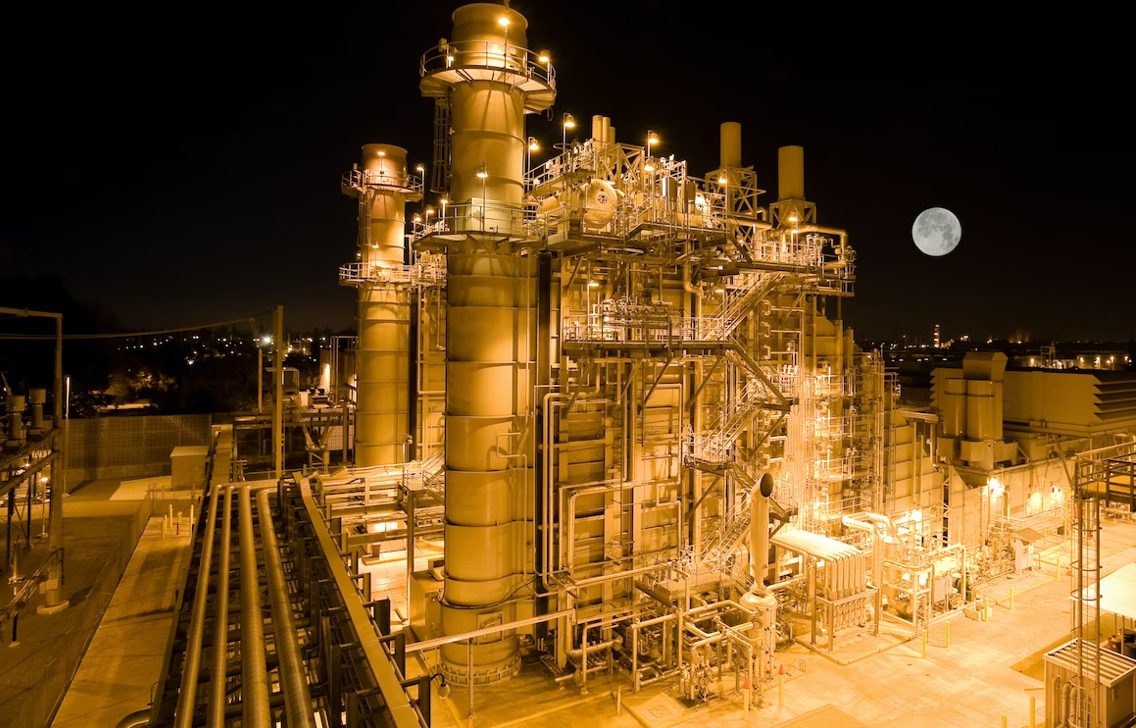 Figure 1: Silicon Valley Power. Source: American Public Power Association
An approach commonly taken by many systems engineers is breaking the system down into individual components and then optimizing each component individually. The disadvantage to this approach is neglecting how the components interact with each other while the primary advantage is simplification. On the other hand, a systems approach encompasses many components and their interactions. The basic premise of this approach is bearing in mind that the system does not operate under a single condition the entire time.
The system affects the load on the drive system. Motors that run more than one half to full load capacity are often more efficient than motors that run below half or into their service factor. Inefficient systems can affect the facility in other ways. For example, inefficient systems release heat into their working environments and increase the temperature of the surrounding air, which must be removed by the facility’s HVAC system.
Evidence of poor system design
Taking note of operating conditions and tracking performance can help identify areas to improve motor efficiency. Some common indications of poor system design include:
High energy costs
Inefficient motor operation and system design leads to increased energy costs. Incorrect selection or poor motor and drive system design for the application leads to harmonics, voltage sags and a low power factor.
Frequent breakdowns and maintenance
Components that are not carefully selected and do not meet the demands and requirements of the application tend to lead to increased maintenance and breakdowns. Inefficient operation leads to added stressors and heat to the system, which leads to component failure.
Many system designers may choose oversized motor and drive equipment believing that this will make the system more reliable. However, the oversized motor might be more reliable but might cause more problems for the system as a whole. It is often more effective to design a system and select components that are within the range of efficient operating conditions for those components.
Poor performance
When a system is not performing well, operating costs increase. Poor performance increases maintenance and also reduces system reliability. Frequent system failure, high noise levels, and increased heat output are common indicators of poor system performance. In fluid systems, high noise levels are common since energy losses in fluid often dissipate as noise.
Selecting appropriate motors and drives
When selecting an appropriate motor for a specific application, basic requirements are considered. For example, load profile, operating conditions, system reliability requirements, and the degree of operating flexibility required should be considered.
Load duty cycle refers to the ratio of time that equipment is operated relative to the rated capacity. Motors are often selected based on worst-case scenarios, and as a result, many motors in industrial applications operate below 40% of their load rating. This also reduces efficiency.
In industrial applications, many motor and drive units are used to drive centrifugal pumps, fans and compressors. In these, power consumption increases as operating speed increases. For example, increasing a machine's speed by double would require eight times more power.
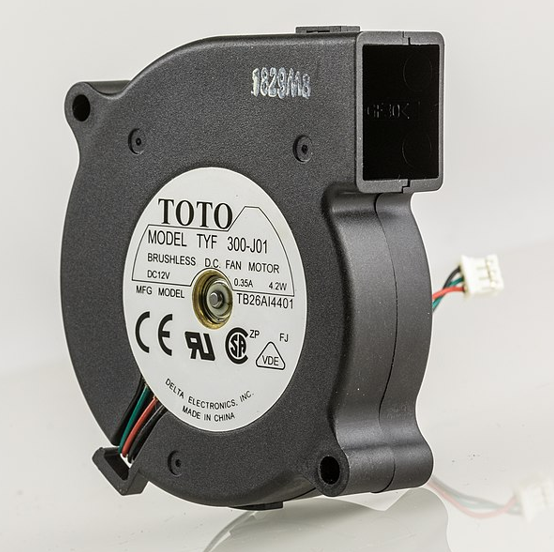 Figure 2: Centrifugal fan. Source: Raimond Spekking/CC BY-SA 4.0
In pumps, adjustable speed drives (ASDs) help adjust pump speed to an operating point that consumes less power but has the same flow rate. When a control valve is replaced with an ASD, system efficiency can be increased significantly and energy costs reduced.
Fans are typically driven by induction motors, as motor speeds are often too high for direct drives, they utilize belt drives. Many systems have oversized fans, which are noisier than desired and require more maintenance.
In fans, flow varies with pressure. Fans can be divided into two groups, axial fans and centrifugal fans, derived from how they interact with the airstream to generate flow energy. Axial fans move air parallel along the same axis as the shaft where the blades rotate. On the other hand, centrifugal fans use an impeller to accelerate air outward at a 90° angle. This difference often affects various aspects of the driving motor.
Fans often experience varying demands as required airflow rates are not constant in industrial applications. Airflow rates depend on the production level, temperature, load and other factors. A speed control mechanism like a variable frequency drive (VFD) can be used to adjust fan speed effectively.
Other types of equipment do not have the same relationship between flow and power as pumps and fans. Unlike pumps and fans, energy savings measured with ASDs might not be as useful to reduce power consumption in motors driving air compressors, positive displacement pumps and blowers.
Many air compressors in industrial applications are driven by polyphase induction motors. The two categories of air compressors are positive displacement and dynamic air compressors, with positive displacement air compressors being more commonly used. A premium efficiency motor can be selected when choosing a motor for a compressor. The increased capital cost is swiftly offset by power savings. It is important to select a motor with the appropriate performance parameters such as full-load speed and torque.
Improving efficiency
A system approach when monitoring, optimizing and designing motor and drive systems can reduce costs by increasing system reliability and efficiency. It is important to evaluate how all components of a system interact with each other and affect the performance of the system overall.
References
Marchesoni, M. (2020). Energy Efficiency in Electric Motors, Drives, Power Converters and Related Systems.
About the author
Jody Dascalu is a freelance writer in the technology and engineering niche and works as a business analyst in the manufacturing industry. She studied in Canada and earned a Bachelor of Engineering. As an avid reader, she enjoys researching upcoming technologies and is an expert on a variety of topics.