AI diagnostics: Approaches and applications
Candace Kastanis | May 15, 2023Artificial intelligence (AI) defines the ability of computer algorithms to do specific tasks that, under normal circumstances, require human intelligence. AI became recognized for its potential as a diagnostic tool in the early 1950s and acts in tandem with AI-enabled healthcare platforms to detect and predict certain health conditions. Impressively, AI diagnostic decision systems (DDS) feature the capacity to diagnose many complex health conditions, such as cardiac and blood abnormalities.
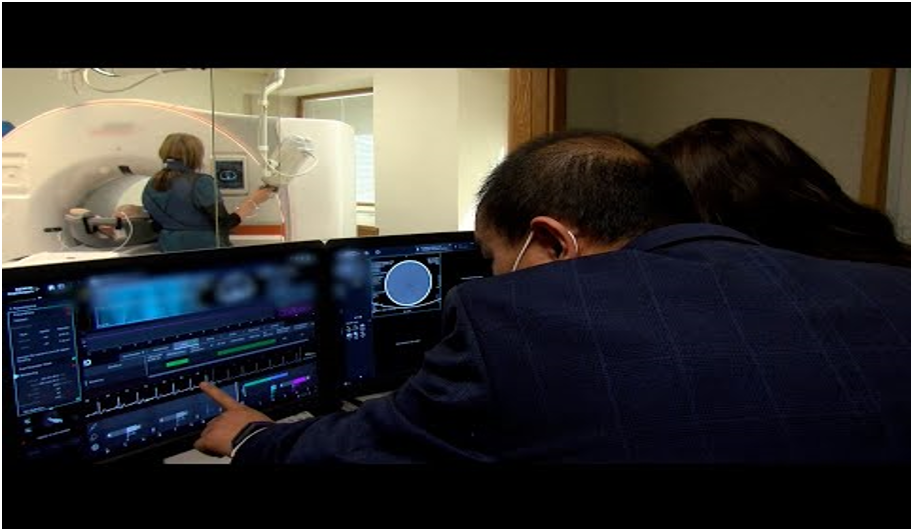 Source: Mayo Clinic/YouTube
AI-diagnostic tools enter into healthcare settings
Spurred into quick deployment by the recent pandemic, avenues to safely diagnose and treat patients became a medical necessity. Consequently, AI diagnostic capabilities are an essential element in the biomedical community. Coronavirus provided an excellent template for the developmental future of AI-enabled predictive risk analysis.
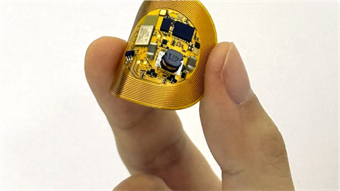
AI engineering teams continue to experience monumental successes with the deployment of AI diagnostics in the form of wearable technology to help detect the coronavirus in addition to other remote monitoring and imaging capabilities. Nira Jha, professor of electrical and computer engineering at Princeton University, discussed the scope of his AI work on this project in a recent article as to how quickly AI development ramped up following the coronavirus pandemic.
Medical imaging is another area where AI-diagnostic highlights powerful innovations that improve overall efficiency and speed compared to traditional methodologies. For example, Stanford-based researchers developed an AI machine learning algorithm capable of interpreting chest X-rays for 14 distinct pathologies within seconds.
Below is an example of an AI-enabled radiology session performed by the Mayo Clinic. The takeaways suggest that the AI-model streamlines the diagnostic process by performing some of the more mundane tasks associated with CT scans such as tumor tracing.
Positive aspects
Momentum toward the adoption of more AI-driven applications spread across many multidisciplinary industries and continues to build. In 2022, approximately 178 new AI and machine learning-driven medical device applications were approved by the U.S. Food and Drug Administration and regulators continue to b overwhelmed because of the sheer number of AI-medical device applications still coming in. Simply put, AI development is a boom for industry stakeholders and the prospects just keep improving.
Advances in AI technology boast incredible processing speed, the ability to organize big data sets and continuous machine-learning capabilities. This level of machine learning ability enables AI-DDSs to sort through diagnostic criteria based on an expanded knowledge base placing AI-driven approaches at a significant advantage over traditional clinical diagnosis methods. The AI-driven process and analytical speed allude to the potential of gaining a lifesaving edge in diagnosing time-sensitive medical conditions. Also, reducing medical errors and improvements in diagnostic accuracy also add to the strength of AI applications in clinical environments. Experts also add that the added diagnostic support may assist with healthcare-related stresses, thereby reducing staff burnout and turnover rates.
Challenges and considerations
While AI-diagnostic tools are promising, they are still actively deployed as an accompaniment to traditional processes. Human surveillance of AI tools in clinical practice allows users to mitigate any potential misdiagnosis and analyze their performance standards. However, there are concerns with AI techniques that regulators are addressing through monitoring and continuous testing strategies. A majority of the AI adoption challenges relate to:
Accuracy and diagnostic errors
Because of the relative infancy of AI-enabled tools, clarity about what is acceptable in terms of accuracy is still a grey area. Industry experts do weigh in on the importance of ethical-based decisions and a clear definition of what metrics should be applied to determine a universal standard for AI adoption and use. Patient safety is a priority, and to reflect the seriousness of that principle, medical devices must pass a series of stringent regulatory benchmarks to gain approval. However, gaining public trust is subject to performance criteria. User accountability also comes into play as patients want to know what measures can effectively mitigate AI-enabled diagnostic errors.
Security considerations
Privacy issues and their potential to acquire costly HIPAA violations are significant to stakeholders regarding how to mitigate them effectively. Protecting patient health records and information is a pain point in which engineers are working toward developing solid solutions. Because private and public stakeholders often act as the principles for AI tools, accessibility issues become questioned. A few of the proposed safeguards include sophisticated data anonymization and de-identification methods.
What is in the future for AI diagnostics?
AI-diagnostic developers understand the need to expand on AI analytical techniques realizing there is a need for an interoperability-friendly design. The goal is to ensure that AI-based techniques enabling an innovative approach called precision medicine work. This details the process of analyzing a patient’s complete medical history, genetic profile and lifestyle factors.
Precision medicine is based upon specialized data-capture aided algorithms, which will aid a physician’s ability to determine personalized treatment strategies and other prognosis factors. The advanced algorithms are slated to undergo an overhaul to combat areas of potential bias. Present AI technology is not adept at applying certain variables common to vulnerable patient populations, which may result in diagnostic discrepancies and oversights.
The strength and validity in AI-enabled diagnostics offers solutions in many multidisciplinary settings and clinical circumstances. AI provides opportunities to assist the medical community where patient outreach is more difficult and can provide another layer of patient engagement. The advances that are taking place in the AI space highlight many viable solutions and show promise in delivering more preferred patient outcomes.
About the author
Candace Kastanis, a previous laboratory professional, is a freelance medical and science writer. As a California native and resident, she enjoys the outdoors and spending time with her family and friends. Also a creative writer, Candace is excited about her upcoming fictional novel debut.