
Machine turns plastic into oil
Marie Donlon | November 10, 2021An inventor from Japan has developed a household machine that transforms plastic bags into oil.
Understanding that plastic bags are derived from oil, inventor Akinori Ito determined that plastic bags could be converted back to oil and thus into a fuel for generating heat.
To accomplish this, the machine uses a process called pyrolysis wherein a compound is transformed into a smaller, simpler compound. The machine is reportedly capable of transforming assorted plastics — including polyethylene, polystyrene, and polypropylenes, but not PET bottles — into crude oil.
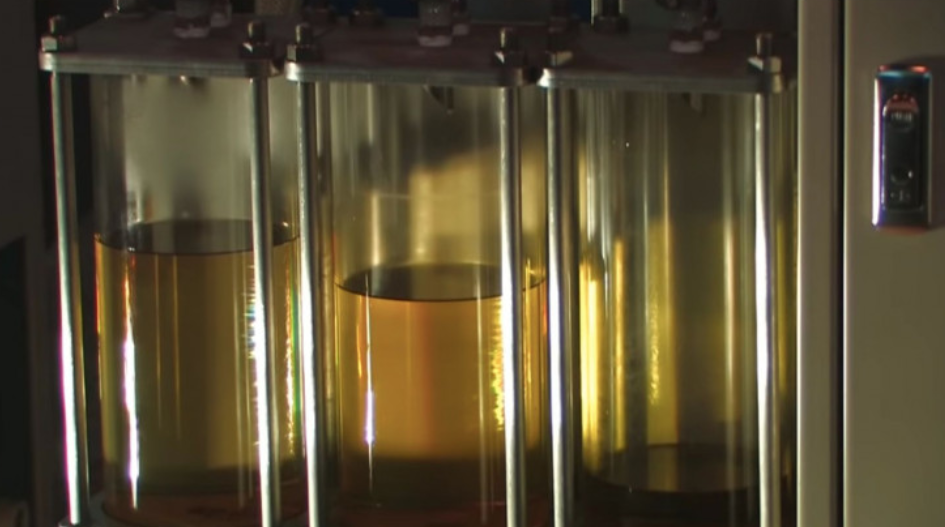 Source: UN University
According to Ito, the plastic is heated, then fed into a pressurized oxygen-free oven heated to 800° F, turning the plastic into a liquid. That liquid is then transformed into a gaseous state by the machine and that gas is subsequently trapped and stored for cooling.
Once cooled, the vapor condenses and creates crude oil — which is a mixture of gasoline, kerosene, diesel and heavy oil — that can potentially be used to heat generators and select stoves. Additionally, once the mixture is refined, it could also potentially be used as an alternative to gasoline for powering boats, cars and motorbikes.
According to experts, Americans alone use roughly 100 billion plastic bags each year and to manufacture that amount takes an estimated 12 million barrels of oil.
According to Ito, because the machine is designed for use in the home — where consumers could turn every 1 kg of plastic into roughly 1 liter of oil — it has the potential for creating energy independent consumers while reducing the need to extract more oil from the Earth.



And how much would this cost?
In reply to #1
It would probably cost about a dollar two ninety. However, won't the end product just cause more CO2 into the atmosphere?
In reply to #2
Plant a tree. That's what I do.
OK....interesting idea that even has had commercial hurdles in industrial settings...and the potential for a homeowner to improperly select the plastics to process, the energy input to get to 800 degrees and potential safety issues with pressure and O2....and how does the untrained homeowner know if the condensed liquid is OK to put into a vehicle or device to burn it??? and how efficient is the device in terms of GHG emissions??? and so much more.....and the word 'oil' here is more likely 'crude' unrefined mixtures than a useable clean burning material....sounds problematic in the real world.