An overview of electronic waste recycling
N. Mughees | May 19, 2021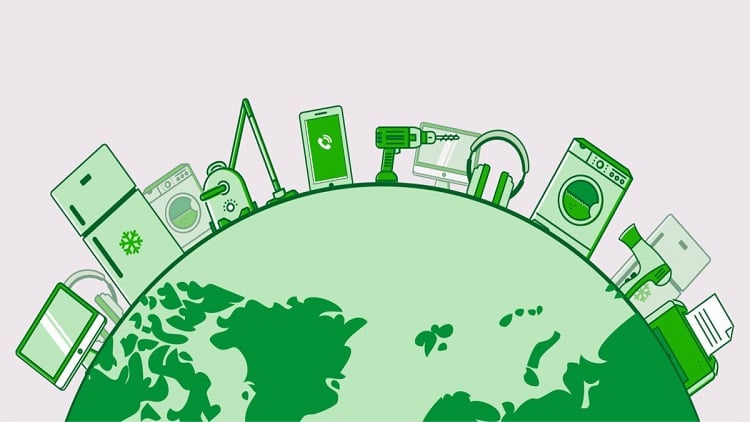 Source: TCO Certified
Electronic waste, or e-waste, refers to a subset of used electronics and recognizes the inherent value of these materials that can be reused, refurbished or recycled to minimize the actual waste that might end up in a landfill or improperly disposed. Electronic products are a complicated combination of valuable materials, including copper, silver, cobalt, gold, palladium and platinum. The U.S. Environmental Protection Agency claims that one metric ton of circuit boards can contain 40 to 800 times the amount of gold and 30 to 40 times the amount of copper mined from one metric ton of ore in the U.S. Such valuable materials can be restored with the application of appropriate recycling technology.
Electronic products also include many hazardous and toxic substances that can adversely impact the environment if not disposed of properly. For example, mercury, lead, cadmium, polyvinyl chloride, beryllium and brominated flame retardants can harm both the environment and human health. Likewise, electronics landfilled waste can leak chemicals and contaminate the water supply chain. Manufacturers are also starting to deal with the issue of scarcity of supplies required to make electronic devices as more people are now using them. These trends point to the urgent need to recover metals and chemicals from obsolete, broken and surplus electronic devices.
Stages of e-waste recycling
Recycling e-waste can be difficult as the products are fabricated with different proportions of plastics, glass and metals.
Stage 1: Collecting and transporting
The collection and transportation of electronic devices represent initial first phases in the recycling process. E-waste recyclers install electronics take-back booths or collection bins in certain areas and then transport the gathered waste from these areas to their recycling facilities and plants.
Stage 2: Chopping, cataloging and separating
Once the waste has reached recycling plants, the chemicals and metals present in the material must be processed and separated into fresh supplies that can be utilized to develop new devices. E-waste recycling efficiency depends upon how correctly the materials have been separated.
Chopping the e-waste enables cataloging or categorization and separation of plastics from internal circuits and metals. The waste materials are chopped into small pieces of 100 mm to make them ready for categorization. For example, a strong magnet would screen out steel and iron from the waste chain present on the conveyor and yield steel for reuse. If additional mechanical processing is performed, copper, aluminum and circuit boards can also be separated from the waste chain that would now have mostly plastic. After that, water separation methods recover glass from the plastic in the waste stream. This ends the cataloging stage.
Stage 3: Ready for sale
In the last stage, after chopping, cataloging and separating, the materials are made ready for sale as functioning raw materials that can be used for manufacturing new electronic devices.
Benefits of e-waste recycling
Now that we have outlined the general stage of recycling e-waste, we will now briefly discuss its benefits for the environment and humans. As mentioned earlier, recycling e-waste would assist in recovering precious materials and thus conserve and save natural resources. Manufacturers can secure recycled raw materials and reduce the monetary and environmental costs of continued mining and resource extraction. Another big advantage is that e-waste recycling is developing job opportunities as it demands professional recyclers. E-waste recycling also saves human lives as it protects landfills that can pollute soil and local water supplies.
Challenges of e-waste recycling
The e-waste recycling market faces a variety of difficulties, but shipping to developed countries is the greatest. E-waste export with toxic and hazardous materials is causing major health issues for employees in developing countries lacking appropriate environmental controls. The absence of sufficiently regulated electronics management structures and policies impedes effective e-waste processing.
Nonetheless, while the amount of e-waste is rising, the quality of this waste is declining. Devices are becoming smaller and thinner day by day, using fewer valuable materials. This is why the material importance of certain end-of-life electrical and electronic equipment has declined rapidly. Electronics recyclers have been adversely impacted by the lower global market prices, resulting in loss of profit margins and a greater number of company closures. Moreover, with time, many products have been designed in ways that are not straightforwardly reusable, repairable and recyclable in the future.
Conclusion
Recycling e-waste is a serious global problem for a number of reasons. It has a substantial impact on the environment and on the manner in which humans communicate with their immediate environment. The general process of recycling e-waste involves collecting and transporting it to required facilities to facilitate separation, categorization and eventual reuse. Advancing e-waste recycling technology can only be of benefit to societies in developed as well as underdeveloped regions.