Magnetic particles in in-vitro diagnostics (IVD)
February 04, 2021Nucleic acid separation is an increasingly important tool for molecular biology. Before modern technologies could be used, nucleic acid separation had been a time- and work-consuming process based on several extraction and centrifugation steps, often limited by small yields and low purities of the separation products, and not suited for automation and up-scaling. During the last few years, specifically functionalized magnetic particles were developed. Together with an appropriate buffer system, they allow for the quick and efficient purification directly after their extraction from crude cell extracts.
Magnetic separation is an emerging technology that uses magnetism for the efficient separation of micrometer-sized magnetic particles from chemical or biological suspensions. In-vitro diagnostics (IVD) and life science applications are increasing their use of magnetic particles; therefore, the improvement of magnetic separation continues to develop.
The key parameters to a high-quality magnetic separator are the magnetic materials, geometry, configuration and initial magnetization. Through the optimal design of these magnetic circuits, a high magnetic field gradient is produced and gives these separators their power. One of the great features about permanent magnet separators is that they do not require maintenance or replacement over time. If they are not being used in extreme environmental conditions, permanent magnets will never lose their high level of magnetism and can be used for long-term efforts providing extreme reliability.
Magnetic resuspension is advantageous over commonly used commercial methods in that it is a no-touch system reducing the possibility of sample contamination or damage. It does not introduce heat into the sample, and it can prevent spillage of the sample as the magnets move around the sample container. This also limits the need to move the sample to and from a mixer. Finally, the continuous mixing of the sample creates a more homogenous solution of magnetic particle reagents during processes, rather than allowing the particles to start settling after removing the sample from a mixer.
These tailored separation designs can accommodate speed, a precision location, unique shapes, high particle retention and total target yield. Moreover, the system designer can consider parameters to limit particle aggregation or damage.
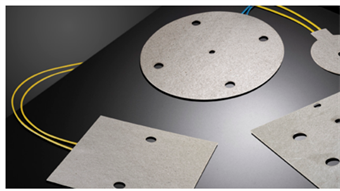
 Figure 1: DMT can custom design HGMS to achieve the desired separation. Source: Dexter Magnetic Technologies
Whether the end use includes cell sorting, RNA/DNA isolation or purification, or immunology, Dexter Magnetic Technologies (DMT) can custom design high gradient magnetic separators (HGMS) to achieve the desired separation.
Because every application is unique, DMT is accustomed to designing around a wide range of sample sizes, particle sizes, viscosities of sample fluids and end use applications (lab counter, automated diagnostic machinery). In fact, a recent competitor comparison of 384 well plates showed that DMT could achieve approximately 68% faster separation times. Since the early 2000s, DMT has been one of the original owners of magnetic separation patents.
DMT continues to advance its technology and leverage customer needs based on what the end user is striving to achieve. Magnetic separation, therefore, continues to improve, but even more, DMT has designed prototypes for a magnetic resuspension device that re-mixes the particles after they have been separated.
Whatever the application, DMT can produce the highest quality OEM assemblies to fit a customer’s needs. Through private labeling options and unique aesthetic considerations, the product can truly fit in any platform or laboratory setting appropriately. Contact them today.