
Study: Plastic recycling not as effective as the EPA reports
Siobhan Treacy | August 26, 2020Researchers from the University of Michigan conducted the first study to create a comprehensive map of plastic use across the entire U.S. economy.
While a lot of plastic is used in packaging, two-thirds of plastic created in the U.S. in 2017 was used for other purposes, according to the study. This included electronics, furniture, home furnishings, building construction, cars and more. Previous recycling estimation studies focused on solid plastic waste in municipal landfills, which mostly consisted of containers and packaging. The new study focuses on plastic from construction and demolition waste from car shredder residue.
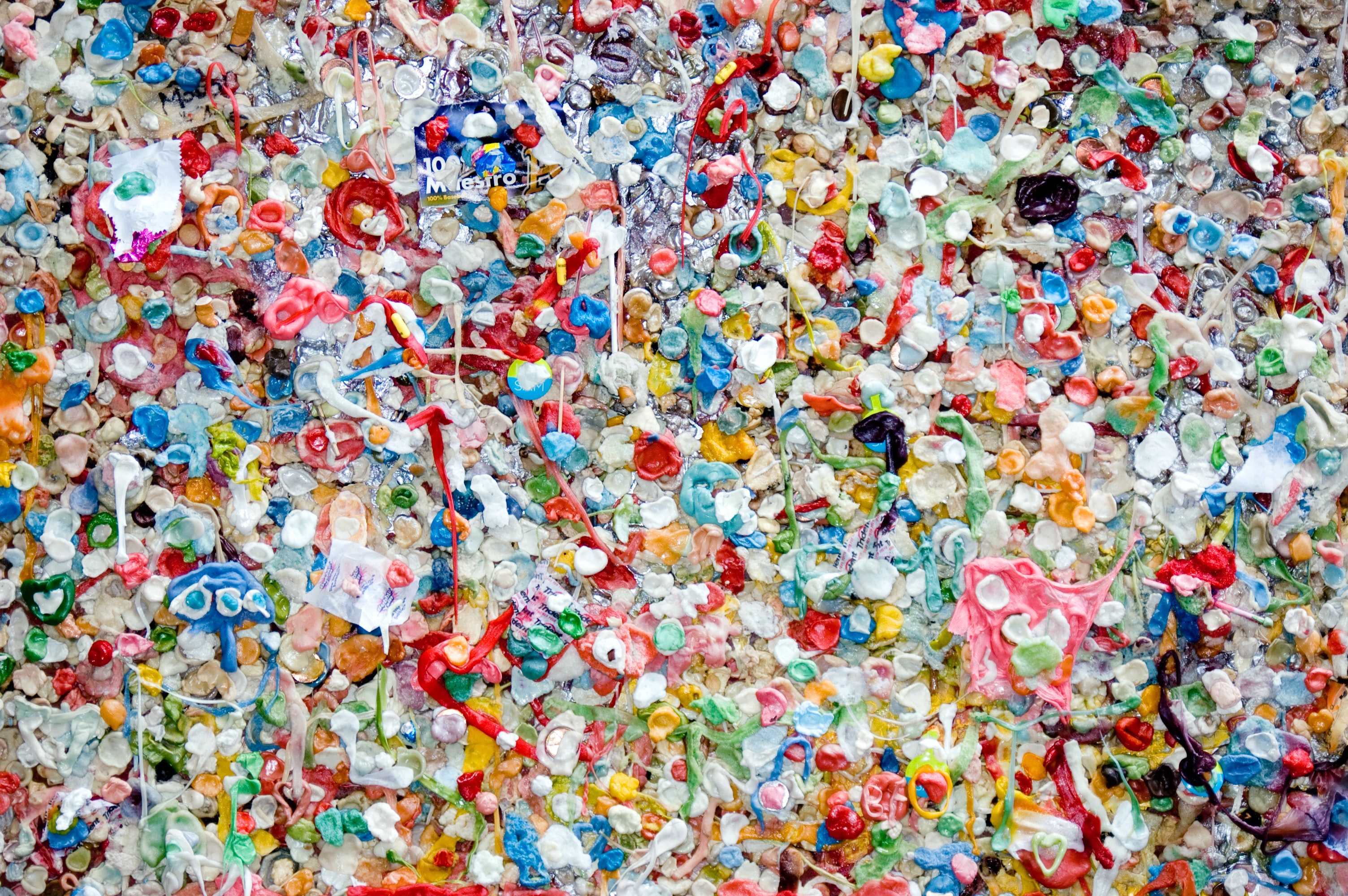 Plastic waste. Source: Unsplash
The team used material flow characterization to detail a single year of plastics production, use and disposal in the U.S. Researchers used data from industry and public sources with the goal of creating a roadmap to help guide industry professionals, policymakers and academics to work toward plastic reduction.
They found that the 2017 recycling rate for U.S. plastics was lower than the EPA’s estimate of 8.4%. Instead, they found that 8% of plastics that reached the end of useful life in 2017 were actually recycled. Meanwhile, 76% of end of life plastics in 2017 ended up buried in landfills.
The team’s map detailed plastic flows tracked by type of plastic and market where it was used. The study’s findings showed that 2% of North American plastics end up in the natural environment, presenting a danger to the environment via plastic leakage. Researchers found that in the U.S. plastic use in 2017 was about 400 metric tons, eight times greater than the number of plastics manufactured that year.
The EPA said that although an estimated 8% of plastics disposed of in 2017 were recycled, inefficiencies in sorting and reprocessing means that an even smaller percentage was returned as feedstock.
A paper on this research was published in the Environmental Research Letters.

Plastic that cannot be efficiently returned as resins for new uses should be recycled the old-fashioned way.
Burn it . . .
. . . for energy in a clean-burning waste-to-energy plant. It's a shame to simply bury all those kW-hrs in landfills.