Sludge — How to prevent it
August 04, 2020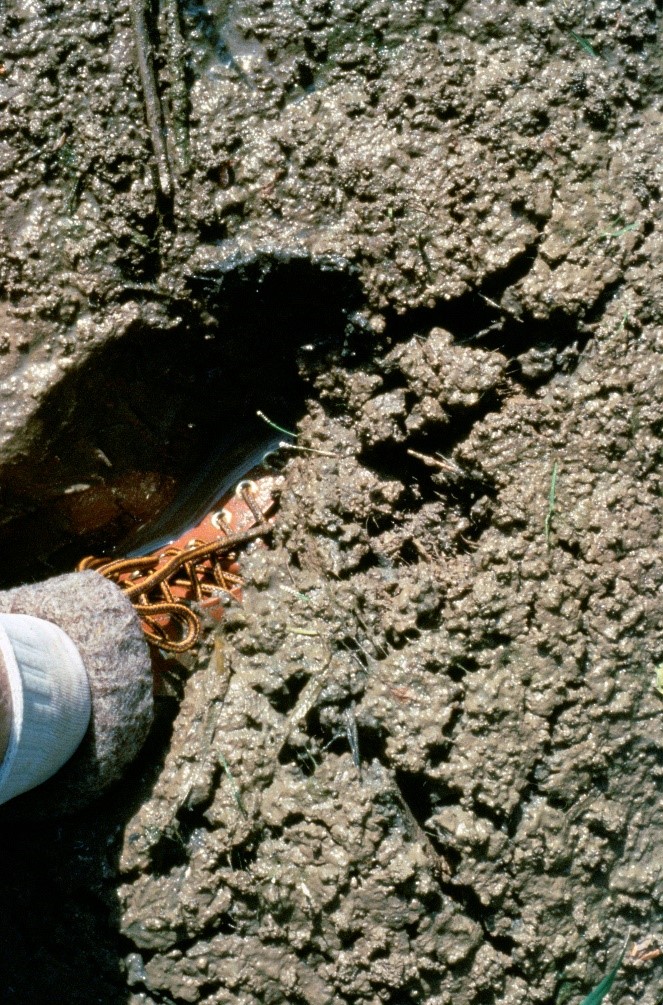 Figure 1: Preventing sludge.Oxidation is the leading cause (greater than 95%) of all thermal fluid replacement recommendations. Chemically, oxidation is the reaction of hot thermal fluid with air (oxygen) that produces acids. These acids build up over time and eventually polymerize to form solid coke and sludge — and they are also responsible for turning the fluid to “black yogurt” or worse when it is cold. The reaction between the hot fluid and air occurs in a vented/open expansion tank (or reservoir in stand-alone temperature control units) that continuously runs hot (greater than 140° F) while the system is operating. Some indications of a hot expansion tank (reservoir) are smoke/vapor from the tank vent; surface rust on the lower half of the tank due to missing paint; the tank is hot to touch or there are visible heat waves coming from the surface; sight glass is stained black; and fluid has a high acid number.
Expansion tank corrosion is another problem that is aggravated by oxidation. Water in the expansion tank continually vaporizes and condenses in the vapor space during operation and will eventually cause rust. This catalyzes the rate of acid formation and increases the acidity of the water, which, in turn, accelerates the corrosion rate. Eventually a pinhole leak will develop.
Gas blanketing of the expansion tank — The only way to prevent oxidation
The only way to prevent oxidation is to install a gas blanketing system to eliminate oxygen from the vapor space. Nitrogen is the most commonly used gas because it is cheap and readily available. Natural gas and blends of lower weight hydrocarbons are often used in gas processing installations where they are readily available and can be vented safely. The system can be installed on non-ASME code tanks as long as a maximum 15 psig pressure relief valve is used.
Stand-alone temperature control units (TCU)
It is difficult to control oxidation in these units because all the components, including the reservoir/expansion tank, are enclosed in a sheet metal box that typically has minimal ventilation openings on top. Scheduled replacement of the thermal fluid is the only way to keep the acid number low and prevent carbon from forming. Using a fluid with an antioxidant can reduce the frequency of the change outs but will not eliminate them.
Fired and electric systems with separate expansion tanks
Because the oxidation rate doubles with every 18° F (10° C) increase in temperature, the goal is to keep the tank temperature as low as possible. Heating cannot be prevented during operation because a small volume of hot fluid is pushed up through the expansion line into the tank every time the burner or the electric element cycles on. The actual volume is based on the fluid expansion coefficient, the total system volume and the temperature increase with each cycle. This cycling also pulls in fresh air as the fluid cools. Keeping the expansion tank three-quarters full can reduce the overall tank temperature by 30° F or more than by running with it one-quarter full. The greater volume not only provides more of a heat sink as the heater cycles, it also increases the tank wall surface available to transfer heat from the fluid.
Insulation
An insulated expansion line will prevent cooling of the fluid as it flows into the tank during the heating cycle. As such, any insulation should be removed from this line. The expansion tank should never be insulated unless the heater manufacturer specifies insulating certain parts of the tank.
Valve positions
Many heaters have two lines connected to the expansion tank — an expansion line (closest to the pump suction) and a warm-up/boil-out line. Typically, both lines are open during cold start-ups to facilitate removing entrained air and water. If the expansion tank is equipped with two parallel lines connected to the bottom of the tank, make sure the second line (farthest away from the pump) is closed off once the oil temperature is greater than 275° F. If there is a valve on the expansion line, it should be two-thirds closed to minimize thermal currents into the tank. This valve should never be completely closed during operation.
If the second line runs from the heater outlet to the top or side of the tank, it is even more important to make sure that the valve is closed before the heater outlet temperature exceeds 250° F. The tank may not appear to be hot because the flowrate through the usually small diameter (less than 2 in) line is not enough to heat up the entire tank. But oxidation will occur because the fluid flowing into the tank will be at the heater outlet temperature and will thoroughly mix with the air in the head space.
Tank location
Expansion tanks do not have to be located directly on top of the heater. Expansion lines that have long runs of bare pipe can be effective in cooling the fluid before it reaches the tank.
Thermal buffer tank
This is an uninsulated vertical tank that is part of the expansion line. The lower end of the buffer tank connects to the expansion tank and the upper end is piped to the main loop. Its purpose is to trap the hotter less dense fluid at the top. A well-designed tank will have enough residence time to cool the fluid before it flows into the tank.
Exposed tanks
It is not a good idea to paint an expansion tank black if it is located outside in the sun. Light colors or silver should be used to reflect the sun light or a sun shield should be installed.