Polymer stops concrete from crumbling in freezing temperatures
Siobhan Treacy | May 28, 2020Researchers in Colorado have found polymer molecules with anti-freezing abilities that can stop concrete from crumbling in freezing temperatures.
 This image shows how concretes with biomimetic antifreeze polymer post-freeze-thaw show no signs of spalling. Source: Living Materials Laboratory, University of Colorado Boulder
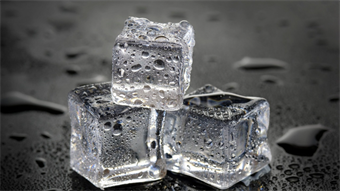
The capillary pores in concrete allow water to permeate the material. Once water gets in the material and freezes, the ice expands and builds pressure, eventually leading to the concrete crumbling. This is a big problem in areas with large temperature swings. To overcome this issue, the team wanted to target the source: ice crystal growth.
The new polymer is polyethylene glycol-graft-polyvinyl alcohol (PEG-PVA). PEG-PVA is found in organisms that survive in sub-zero environments. The anti-freeze proteins bind to ice crystals and top growth. When mixed with concrete, the team believes it will stop ice crystals from growing and stop the concrete from breaking.
The team introduced the polymer molecules to a concrete mix. After testing the team found that the mix reduced ice crystal size by 90%. It withstood 300 freeze/thaw cycles and maintained strength.
The next step for the team is to identify new molecules that are cost-effective and test the compatibility of PEG-PVA with different concrete recipes. While the team’s concrete passed industry-standard tests, the team still has questions about its long term resilience in the real world.
A paper on this research was published in Cell Reports Physical Science.