Sunstone Engineering, EWI to collaborate on micro-welding R&D
American Welding Society | March 18, 2020Sunstone Engineering, Payson, Utah, a manufacturer of precision micro-welding units and engraving systems, is collaborating with EWI, Columbus, Ohio, a renowned engineering service provider, as a strategic technology member (Figure 1). The two companies will collaborate to advance pulsed arc welding and micro-resistance welding technology.
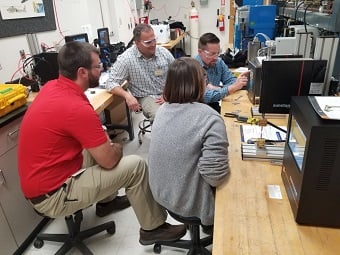 Figure 1: EWI and Sunstone team members work together on a particular weld at EWI’s laboratory.“Combining our expertise with EWI will allow Sunstone’s customers to leverage the world’s best welding knowledgebase to solve any challenge in the many industries we serve,” said Sunstone president Jonathan Young.
“EWI is pleased to have Sunstone join as our second strategic technology member and eager to integrate their innovative technology into our internal R&D programs,” added Chris Kiminas, president of EWI Ohio.
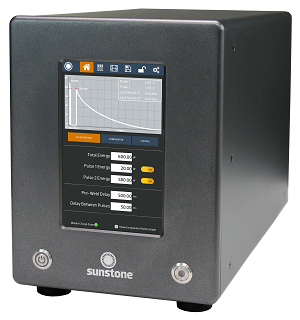 Figure 2: Sunstone manufactures many different micro-welding systems, including the CDDP-A model above. The dual-pulse, capacitive-discharge unit features a touchscreen interface.Sunstone is providing EWI with three pulsed arc micro-welding systems, two resistance micro-welding systems and a tabletop micro laser welding unit (Figure 2). The company’s contribution of these welding systems to the EWI microjoining lab will result in the development of new joining applications that will benefit electronic and consumer product manufacturers.
Pulsed arc welding utilizes a precision power supply, coupled to a retracting welding electrode, to create an intense, short burst of energy. The electric arc welds metals with minimal heating of the component. In addition, pulsed arc welding is not influenced by electrical conductivity and optical reflectivity. The technology can be used for joining battery materials, knife blades to test samples, magnet wire for higher temperature coils and other wire applications.
The micro resistance welding systems provide pulse shaping and on-board statistical control capabilities, both of which offer energy control and process monitoring for challenging resistance welds. Micro resistance welding is useful for joining copper, aluminum, nickel and other metals where minimal distortion is critical.