Accommodating millennials in the fabrication workforce
Jonathan Fuller | February 10, 2020During the last two months of 2019, the catchphrase and online meme “OK Boomer” elevated the years-long, sometimes tense dialog between the baby boomer and millennial generations to a new level. To describe it in a single, overgeneralized sentence: Baby boomers believe millennials to be entitled, lazy and addicted to their smartphones, while millennials contend that baby boomers are out of touch with modern reality and are actively hoarding wealth at the expense of younger generations.
None of these beliefs are 100% factual, of course, but they can fuel tension in the workplace. The manufacturing industry — which is constantly trying to combat its outdated reputation as being “dark, dirty and dangerous” — is no exception. The issue for manufacturers and fabricators is that millennial workers are key to the industry, which is poised to lose a large number of older, experienced workers as retirements loom.
How can manufacturers attract and retain vital millennial talent? A few strategies are discussed below.
Make manufacturing more attractive
For years, the U.S. manufacturing industry has made a concerted effort to reverse outdated stereotypes about the nature of its jobs and workers. Modern manufacturing involves high degrees of automation and creativity and involves a diverse variety of career opportunities. Initiatives like the annual Manufacturing Day, which has taken place every October since 2012 and is now produced by the National Association of Manufacturers, bring together manufacturers and fabricators to showcase the best of their industry.
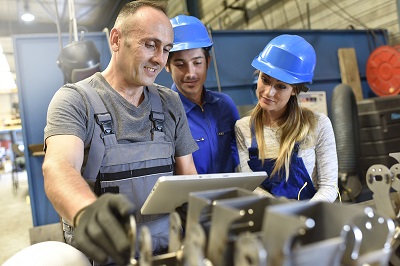 Figure 1: Manufacturing Day is aimed at the millennial generation, and many of its attendees are high school or college students interested in a future manufacturing career. Source: goodluz / Adobe StockManufacturing Day is squarely aimed at the millennial generation, and many of its attendees and participants are high school or college students interested in a future manufacturing career. Individual fabricators can host an event, perhaps involving an open house within their facility or a live demo of their technology. They could also sponsor an event for more impact.
Young, eager workers hold the key to closing the current manufacturing skills gap, and boosting the reputation and image of the manufacturing world is crucial to attracting them.
Fulfilling millennial needs
Most employers are aware that millennials work differently than previous generations. Of the over 13,000 individuals queried in Deloitte’s 2019 Global Millennial Survey:
- 49% said they would quit their current job within the next two years if given the choice.
- Around 80% said the freelance “gig economy” appeals to them, but only 6% said they have chosen freelance work in place of working full-time.
- A small majority (30%) said the onus is on a business to prepare workers for their jobs and careers.
- 32% believe businesses should work to improve society, but only 16% of businesses actually do that. Over 75% of those surveyed believe businesses exist only for self-serving reasons.
Manufacturers can do a number of things to fulfill millennial aspirations. While the terms “freelance” and “manufacturing” are not normally associated, manufacturers can investigate adding off-schedule shifts to give younger workers a choice of when to work, making a full-time job more gig-like. Offering shifts at times when millennial workers believe they will be happier or more productive can go a long way to retaining staff and improving morale. Flexible start times, the ability to make up work in a given week and compressed schedules like the 9/80 approach — in which employees work eight nine-hour days, one eight-hour day and a day off over the course of 10 workdays — can also be attractive.
Businesses can also add volunteer initiatives, especially those focused on planting gardens or cleaning up trails, to engage workers of all ages in social and environmental improvement efforts that appeal to millennials. Paid volunteer time off could be viewed as a great benefit for the entire workforce, while also creating natural team activities and improving employee rapport and morale.
Learning from millennial strengths
If businesses can attract and retain younger workers as well as keep an open mind, they can learn from millennials as well. Younger millennials are some of the first individuals to grow up with native experience in computers and the internet, and this tech-savviness can help transform fabrication operations if older business leaders are willing to listen. For example, employing an inexpensive sensor or other automated solution rather than taking measurements by hand could be a no-brainer for a younger worker who grew up tinkering with a Raspberry Pi, but more seasoned executives may never think of this approach.
Consider the common gripe that, to paraphrase, “millennials are entitled and want to own their work instead of taking direction from senior colleagues.” Perhaps listening to the voices of younger workers and implementing an employee stock ownership plan could benefit all workers and positively change the culture of a manufacturing operation. As stated above, it is possible that all staff might appreciate the more flexible working arrangements preferred by millennials, as long as shifts are covered and work is done efficiently and on time.
Millennials are here to stay in the workforce. Listening to their unique voices and playing to their strengths could have long-lasting positive effects on the industrial manufacturing world.