Study finds that smart bulbs are vulnerable to hacking
Marie Donlon | October 23, 2019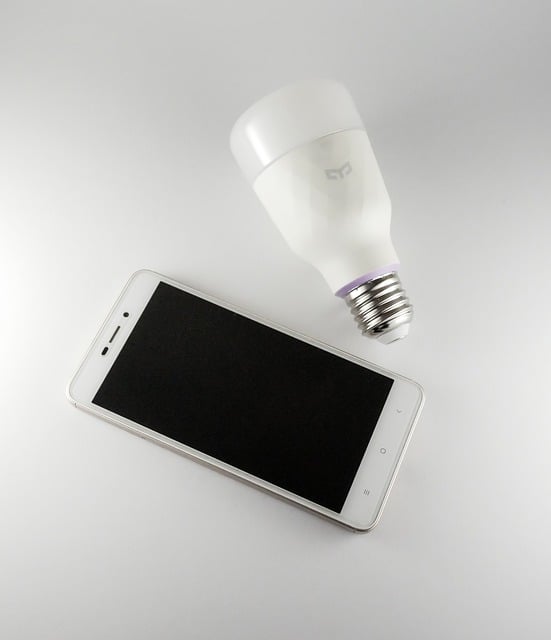 Researchers at the University of Texas at San Antonio (UTSA) have determined that smart lightbulbs are vulnerable to hacking.
While investigating smart lighting systems, the UTSA researchers discovered that types of smart bulbs equipped with infrared capabilities can be manipulated. Hackers can use the infrared invisible light that emits from those smart bulbs to send commands to obtain sensitive data, such as videos, photos or texts held on other devices connected to the same network, or for spoofing the other devices connected to a home’s smart hub.
Rather than connecting to a smart home hub where other internet of things (IoT) devices increase the smart bulb's vulnerability to hacking opportunities, experts recommend that consumers purchase smart bulbs equipped with their own smart home hub within the home.
Smart bulbs are not the only smart devices vulnerable to hacking. As technology becomes more and more sophisticated, the potential for hacking grows simultaneously. Back in 2018, hackers managed to access a casino’s high-roller database through an IoT-connected fish tank thermometer. Meanwhile, a cybersecurity firm discovered last year that fax machines can offer hackers an entryway into an organization’s network.
The study, "Light Ears: Information Leakage via Smart Lights," appears in the journal Proceedings of the ACM on Interactive, Mobile, Wearable and Ubiquitous Technologies.