Engineered membrane for natural gas purification
Shawn Martin | April 12, 2019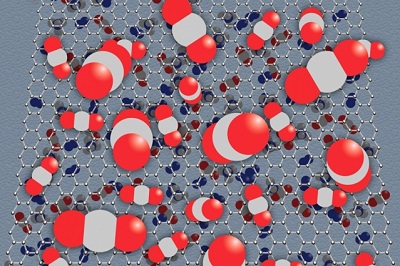 Source: Chelsea Turner, MIT
Researchers at Massachusetts Institute of Technology (MIT) developed a selective and highly permeable polymer membrane for natural gas purification that is composed of long-chain polymers with shorter side chains that resemble the bristles of a hairbrush.
Natural gas contains impurities that must be removed and traditional methods for natural gas purification tend to be energy-intensive and require the use of toxic solvents. However, membrane technologies present a novel concept as they are both environmentally friendly and energy-efficient.
Polymer membranes are typically composed of long-chain polymers that can be packed or woven. These traditional membranes have showcased limitations as they fail to provide the adequate permeation rates required for large scale processes, but MIT’s hairbrush membrane addresses these limitations.
The engineered hairbrush membrane easily permeates carbon dioxide, an impurity that is abundant in natural gas. It also reportedly withstands carbon dioxide feed pressures of up to 51 bar without suffering from plasticization. This is a substantial improvement over the best-performing materials available today, which handle feed rates of approximately 34 bar. The MIT team also stated that their novel membrane is 2,000 to 7,000 times more permeable.