NASA Says Safety Systems Are Needed for Low-Altitude Airspace
Engineering360 News Desk | June 15, 2015As unmanned aircraft systems (UAS) increasingly change the airspace, the U.S. space agency NASA and the Federal Aviation Administration say that a traffic management system for low-altitude airspace is needed.
"The sky could become increasingly crowded as personal and commercial uses of unmanned aircraft systems (UAS), commonly called drones, become more popular," says Parimal Kopardekar, manager of NASA's Safe Autonomous Systems Operations project.
In 2014, NASA's Ames Research Center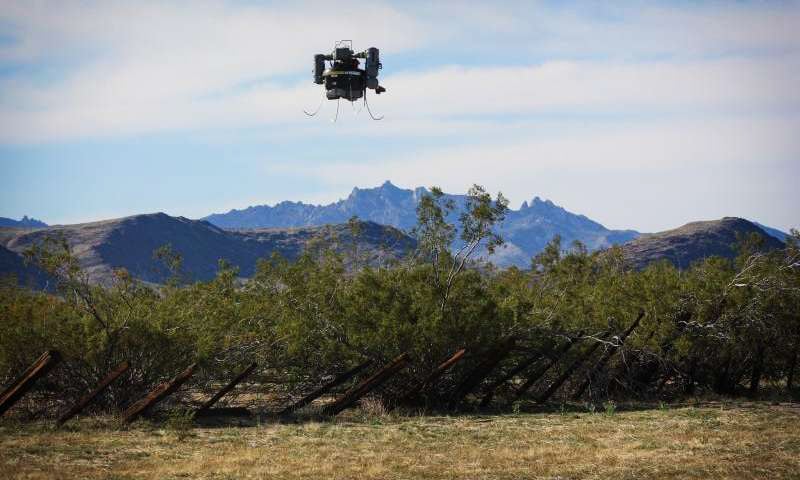 U.S. space agency NASA and the Federal Aviation Administration say that a traffic management system for low-altitude airspace is needed. Source: phys.org released a call for government, industry and academic partners to collaborate with NASA on research in this area. This happened around the same time that Amazon, Google and other companies announced their own plans to launch UAS applications. However, according to NASA, there needs to be a safety system in place before these types of commercial efforts can happen.
"NASA wants to create a system that would keep track of and deliver important information to operators of UAS, such as which areas they should avoid, whether any other vehicles are trying to operate in the same airspace and what the weather will be like in a given area," says Kopardekar.
NASA is working on ways to communicate this data to UAS while they are in the air. These methods could include dynamic geo-fences or virtual barriers that give UAS operators the most current information. The agency says it hopes to use its experience with air traffic management, and its knowledge of working with commercial innovations to make this a reality.
NASA and the Silicon Valley chapter of the Association for Unmanned Vehicle Systems International say they will co-host a three-day convention in July to bring together an audience of government and civilian representatives, industry and academia, aviation, agriculture, film and other industries, to understand and define the UAS impact and challenges ahead.