Smart coolers display drinks and targeted ads to customers
Lauren Mineau | February 01, 2019Walgreens is testing a new line of smart coolers equipped with displays, face-scanning cameras and technology that estimates a customer's age, gender and income.
The technology is designed to show customers individualized products and ads and gather information about what people are buying. Walgreens announced the testing will begin in January at a Chicago store, with more to come in New York and San Francisco.
The company behind the technology, Cooler Screens, is a Chicago-based startup that equips cooler doors with digital screens and sensors to show shoppers what is in the cooler and targeted advertisements, and also to collect shopper data. Unlike a traditional cooler, patrons are seeing a digital image of what is stocked in the cooler, along with pricing and discount information.
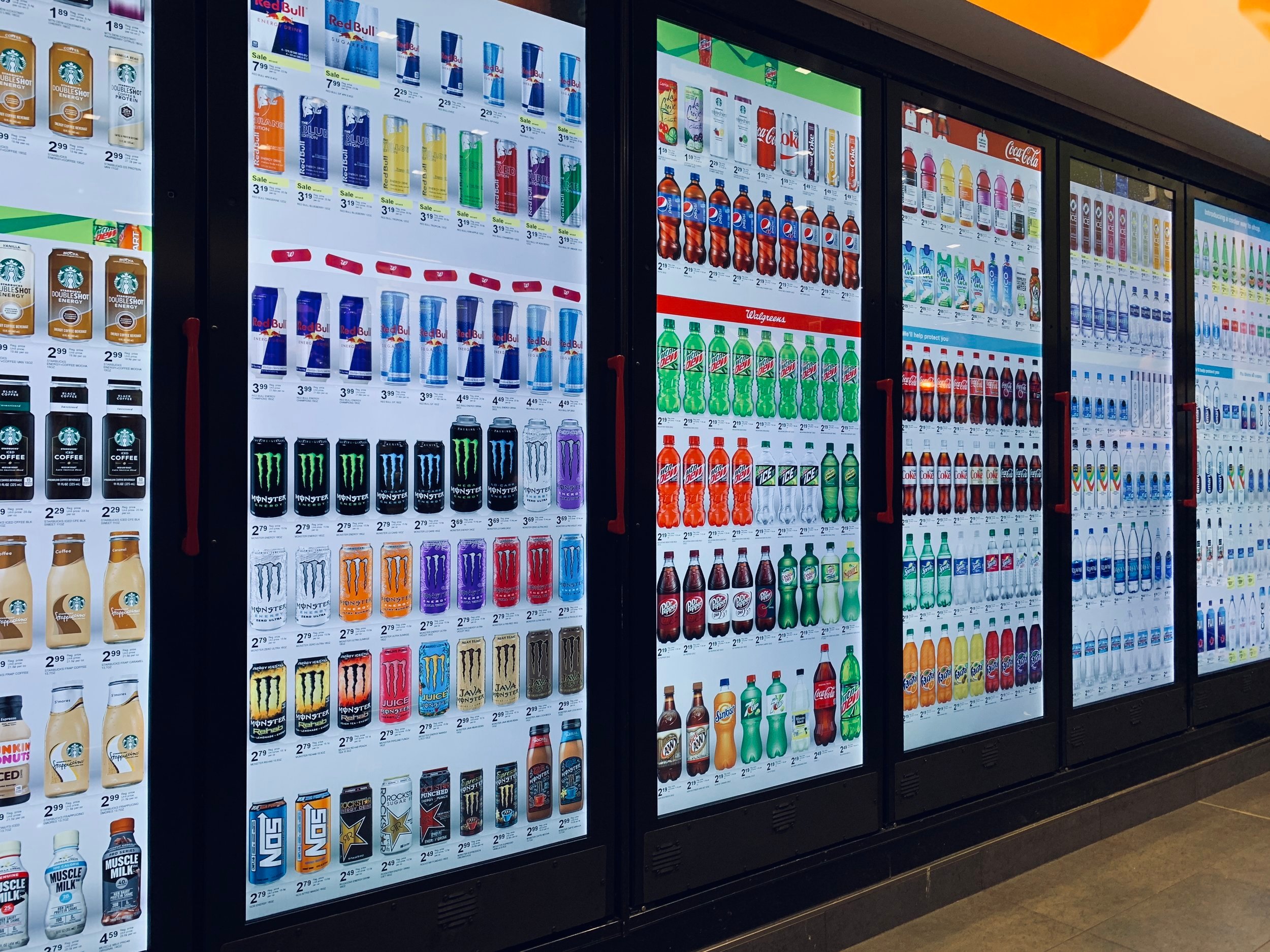 Source: Cooler Screens
The system does not use facial recognition, so shoppers are not directly identified. The cameras instead make assumptions about a person’s age by taking their picture and analyzing it with artificial intelligence (AI).
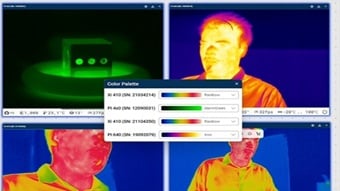
The AI system takes micro-measurements about someone’s facial features and estimates if the customer is a man in his 20s versus a woman in her 50s. The technology uses iris tacking, heat sensors and proximity sensors, according to Cooler Screens. The sensors also provide alerts when stock is low.
In response to privacy concerns, Cooler Screens representatives told the Wall Street Journal that the technology only stores anonymous metadata on the general demographics of shoppers and does not transmit any unique identifiers. In the Walgreens locations where this is tested, a privacy statement will be available, along with a concierge nearby to answer questions.
Companies like Nestle and MillerCoors are also involved with the product. One of the largest advertisers in Cooler Screens is Microsoft, which is a partner and investor for Cooler Screens, according to the Wall Street Journal.
The difference between the smart cooler technology and facial recognition is an important distinction in Chicago. In Illinois, the Biometric Privacy Act (BIPA) strictly regulates the collection and storing of biometric information by both individuals and companies. One provision requires that whoever collects and stores such information obtain affirmative permission to do so. The extent of the law's coverage is still a question being asked, and answered, in several court cases.
A number of other states have similar laws pending, including Michigan and New Hampshire.