Unusual architecture: building with objects designed for another purpose
Marie Donlon | January 31, 2019Construction in this age of sustainability presents a number of challenges beginning with what material to use. With that in mind, builders are finding that objects designed for different purposes can have a second life as a home or even a hotel room. Following is a review of some unusual spaces created from objects intended for other purposes entirely.
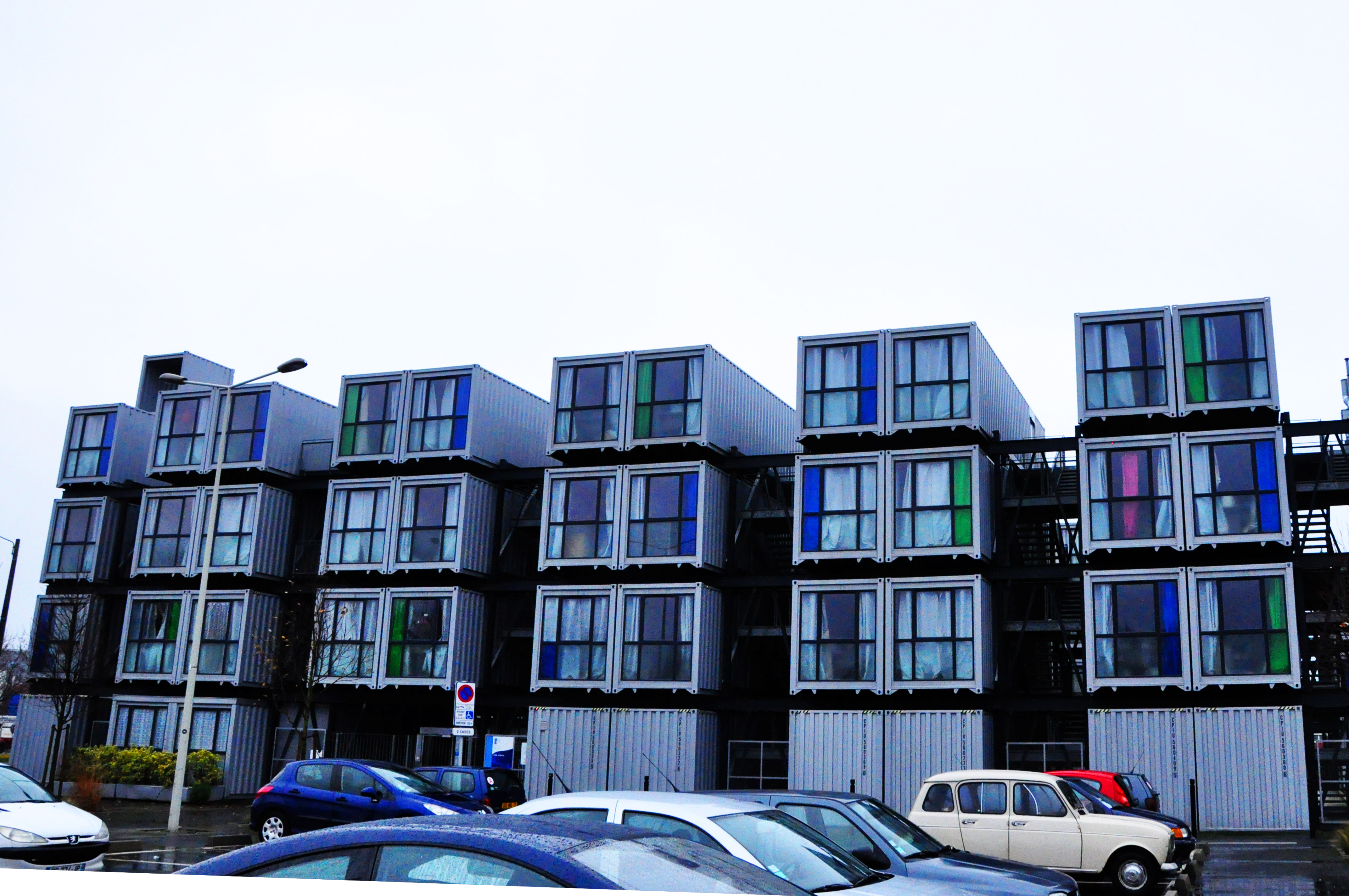 Source: Philippe Ales/CC BY-SA 4.0Shipping container housing
To address the need for low-income and student housing in the crowded Dutch city of Amsterdam, architects have turned dented and rusted decommissioned shipping containers into viable and affordable homes.
Following years of service at sea, steel shipping containers, which are generally 40 ft long by 8 ft wide and 8.5 ft high, are cleaned and then refurbished, typically outfitted with flooring, insulation, electricity, air conditioning, plumbing and other features in a process that has been dubbed Cargotecture.
Construction of these structures requires fewer materials and less energy, they cost less to build than traditional dwellings and their uniform shapes and sizes can be reconfigured into a variety of designs.
With an estimated two million shipping containers going unused at any moment, they have become a popular building material that is appropriate for a variety of purposes including as disaster housing.
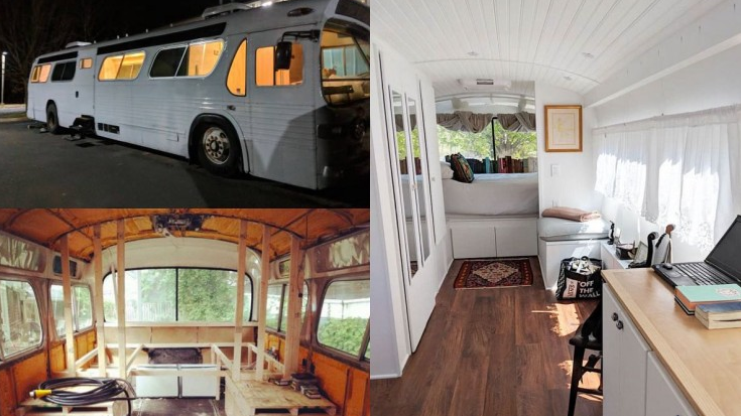 Source: thebustinyhome/InstagramGreyhound bus mobile home
After catching a glimpse of a 1960s GMC bus on eBay some years ago, amateur designer Jessi Lipskin devoted roughly $125,000 and three years to convert the bus into her dream home.
Lipskin set out to research possible options for a residence that would reflect her eco-friendly lifestyle, at last settling on a vehicle home.
“Ultimately, a home on wheels seemed like a perfect solution: I could easily explore new places (finding a permanent place to settle, in the short term, was not a priority for me), and I could continue to live a vegan lifestyle," Lipskin explained.
Despite having little experience with the "plumbing, electrical, carpentry needed for this project," Lipskin managed to turn the decommissioned bus into both a comfortable and stylish home that can accommodate up to four people at once. Lipskin equipped the converted bus with LED lighting, an energy-efficient washing machine and an instant hot water heater and propane tank.
School bus fallout shelter
Not satisfied to simply wait for a worldwide catastrophic event, a North American couple has prepared for possible calamity by constructing the largest underground nuclear bunker in North America made almost entirely of buried school buses.
Called the Ark Two Fallout Shelter — a nod to Noah’s Ark — the underground structure is located outside of Toronto. The shelter sits 4 m below the ground’s surface and is constructed from 42 hollowed-out, intersecting school buses that are surrounded by a perimeter of concrete.
Capable of accommodating around 500 people, the private fallout shelter is the work of Bruce and Jean Beach, who began constructing the shelter on a site called Horning’s Mills nearly 40 years ago.
The Beaches recognized that the buses were easy to convert and hollow out, spacious, structurally sound and inexpensive. The structure is designed as a working outpost in the case of potential future catastrophic events and includes areas designated for daycare and healthcare, as well as laundry and kitchen facilities.
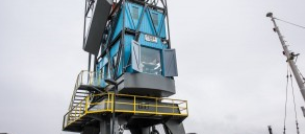 Source: The YaysA crane apartment
In the midst of a housing crisis, Amsterdam is no stranger to creatively using space — as evidenced by the city’s many shipping-container dwellings discussed above. Taking that creativity a step further, tourists to the city can enjoy accommodation in yet another unusual structure — a repurposed crane.
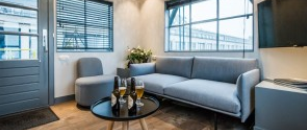 Source: The YaysLocated at KNSM-Island, the former Figee 2868 crane was restored and redecorated by designer Edward van Vliet and is now a two-bedroom, three-story luxury apartment that tourists can rent for $860 a night.
Once used for unloading ships in the very port it now overlooks, the Yays Crane Apartment sits above a lively urban neighborhood complete with bars and cafes.
Tree trunk library
In collaboration with a non-profit organization called the “Little Free Library,” which encourages people to read and share books, homeowner Sharalee Armitage Howard had the tree stump of a dying 110-year-old cottonwood tree on her lawn in Coeur d’Alene, Idaho, hollowed out and equipped with shelves to display books. The structure is also 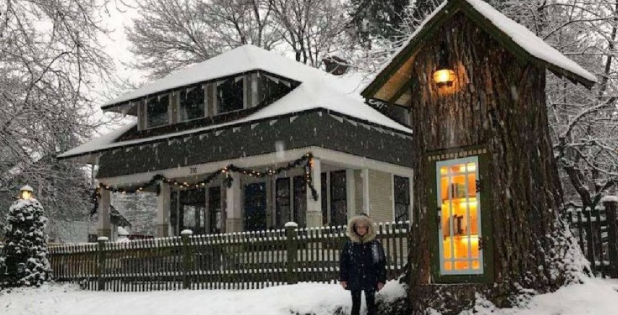 Source: Sharalee Armitage Howard/Facebookoutfitted with lighting, a roof, a door and front steps.
Documenting the transformation on her Facebook page, Howard's dying cottonwood tree was dropping limbs all over a nearby sidewalk and street in the years leading up to its recent removal. However, Howard, a former bookbinder, artist and librarian, decided to convert the large stump left behind into a free library for her neighbors to enjoy.
Airplane hotel room
 Source: Costa Verde ResortLocated in the jungles of Costa Rica is the body of a 1965 Boeing 727 from Aviance Airlines that has been restored into a hotel room at the Costa Verde Resort. The airplane was restored with the addition of a log cabin and it sits upon a pedestal in a national park 50 ft in the air, offering guests views of the jungle and the ocean.
Assuming one were to consider creating an unusual structure, proper building and zoning permits would be necessary along with considerations such as finding land appropriate for such a purpose.