Scientists Measure Python Strength
Sponsored Video | February 23, 2018Reticulated pythons are one of the world’s largest snakes, averaging between 10 to 20 feet long. While these ambush hunters typically hunt chickens, ducks, rats and domestic cats, dogs and pigs, using constriction to kill their prey, there have also been known cases of human attacks as well. When one such attack occurred on an Indonesian field worker, ICON films wanted to know just how much force reticulated pythons exert during constriction — and they wanted to film the answer live.
To help, they turned to Dr. Scott Boback, an associate professor of biology at Dickinson College in Pennsylvania, who specializes in herpetology. “It may be a 14-year old boy’s dream to conduct a field test like this,” said Dr. Boback, “But for me, it’s also a fascinating question in science — ‘How do constricting snakes kill their prey?’”
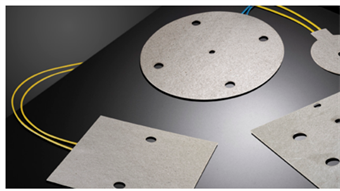
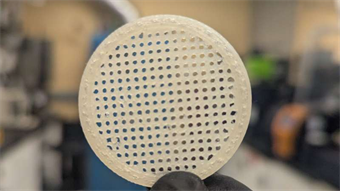
While he hadn’t conducted such a test before on pythons, Dr. Boback and his partner, Dr. Charles Zwemer, also an associate professor of biology at Dickinson College, had conducted similar tests on boa constrictors in their lab. The trick would be figuring out how to make such a test work out in the field. “When you’re measuring how much force is applied,” said Dr. Boback, “One of the ideal things to use would be a liquid like in a hydraulic system.” However, his lab equipment was too big and bulky to take into the field, and he needed another way to recreate a hydraulic system with light-weight equipment.