Catalyst Simplifies Biowaste-to-biofuel Conversion
S. Himmelstein | January 29, 2018A route to the production of high-quality, stable fuel from sewage and other biowaste is reported by researchers 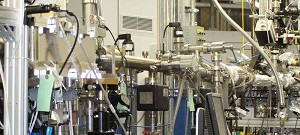 Source: University of Calgaryfrom the University of Calgary, Canada.
Available processes for biowaste-to-fuel conversion first require use of chemical and thermal methods to yield a biocrude oil. Next, a refining step adds hydrogen under high pressure and heat in order to remove sulfur and other contaminants. This scheme is energy-intensive and — because of the need for hydrogen — expensive. It also generates carbon waste as carbon dioxide emissions and char.
The recently developed conversion method simultaneously produces and upgrades bio-oil in one step and without the need for high pressures. The purification phase uses methane, instead of hydrogen, directly in the crude stage. However, hydrogen must still be removed from methane during purification as it is still needed to remove impurities. The solution proved to be a catalyst that reacts with methane to trigger it to release hydrogen.
Several samples of catalyst were coated with different materials and analyzed with the Canadian Light Source Synchrotron. The resulting data enabled identification of coatings that would optimize the reaction for hydrogen release.
Preliminary tests show that this biofuel production technique is more efficient and incurs lower potential costs than the current method. Carbon remains in the oil in liquid form, which leads to a better quality biofuel that is more stable with significantly less greenhouse gas emissions.