
Americans Want More Renewable Energy
Marie Donlon | June 02, 2017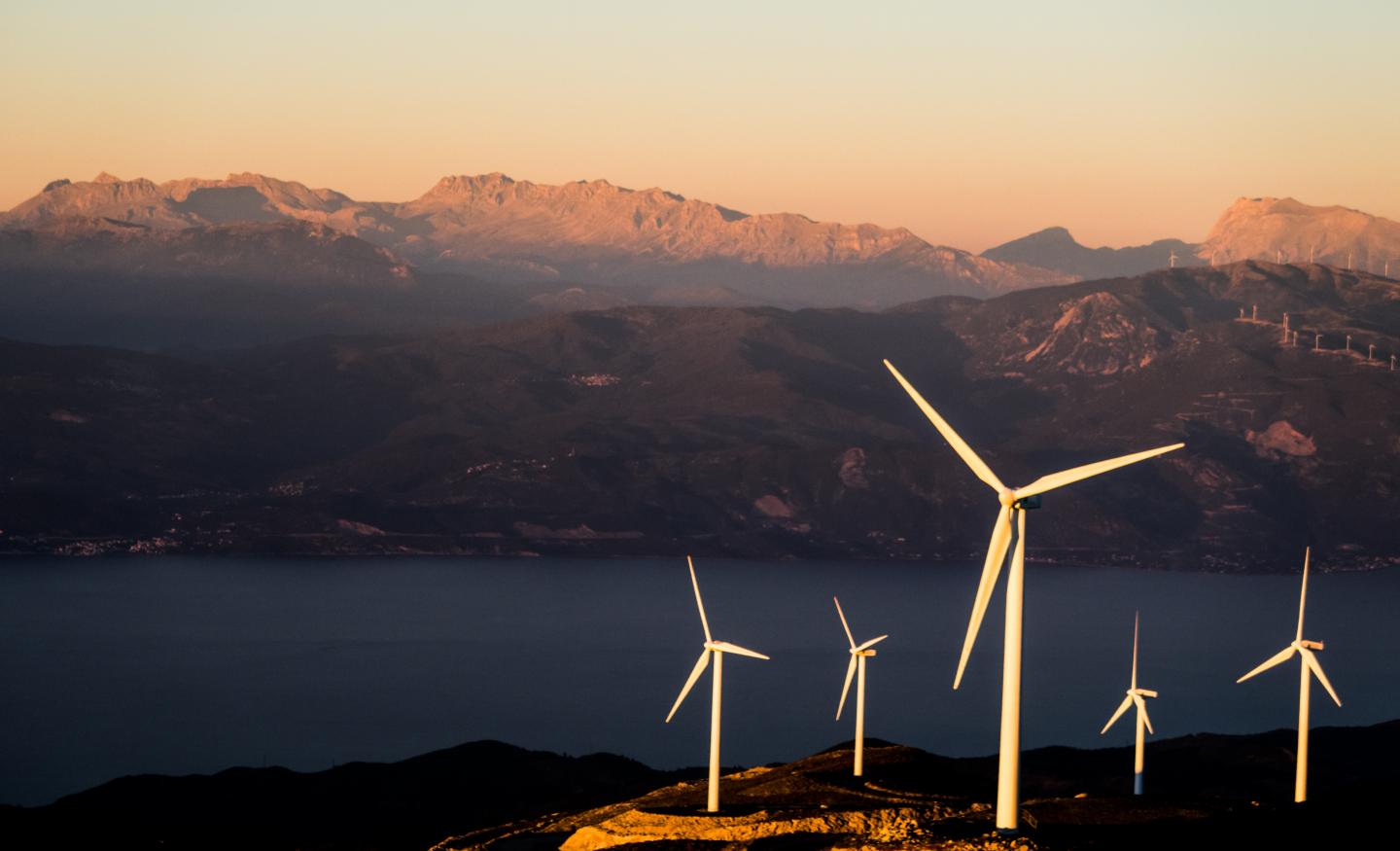 Around 15 percent of US power was generated from renewable energy sources in 2016, according to the US Energy Information Administration. Image credit: StockSnap / Jason BlackeyeRegardless of political affiliation, Democrats and Republicans alike want to use more renewable energy, according to research from Washington State University.
"Our work shows that U.S. consumers, regardless of political standing, age, or gender, want to use more renewable energy and less fossil fuels," said Christine Horne, professor of sociology. "With new communication technologies, it is now possible to give them the option to do it."
Americans, according to the study published in the journal Energy Policy, would, if given the choice, power their homes with renewable energy (wind, solar or other). However, utility companies have long-struggled with incorporating renewables into the electricity grid.
While the demand for electricity is inconsistent, utilities need to manage generation plants that can quickly be brought online to meet demand, with those plants relying on fossil fuels.
As part of the study, researchers wanted to determine if energy customers would be willing to shift the times that they use their appliances and devices to reduce reliance on fossil fuel-powered plants — helping to reduce carbon emissions.
Researchers conducted an online survey of 234 U.S. consumers offering a choice between two hypothetical apps — one that would help consumers reduce their monthly bill or another allowing them to use electricity powered by renewables.
Ultimately, survey participants expressed interest in both cutting their carbon emissions and saving money equally. Respondents also reported viewing people who reduced their carbon emissions more favorably than those who reduced their monthly electricity bill.
Taking the results into consideration, researchers are developing an app prototype that would give consumers the ability to monitor where their electricity is coming from in real time (be it from renewable sources or burning fossil fuels).
The hope is that the app will encourage consumers to use their appliances when more renewables are powering the grid.
"The huge increase in available information and new communications technology makes it possible to provide information to consumers like never before," Horne said. "For example, if consumers knew that during the day their energy mix was 30 percent renewables, and at night it was 100 percent coal, then they might well run their dishwasher in the morning when the sun is up instead of when they go to bed. We'd eventually like to link our app with smart home devices so that people can program their appliances to automatically run when there are more renewables in use on the grid."



A professor of Sociology? How is that discipline relevant to engineering and power distribution systems? I doubt the study results or the study methodology.
The market place will decide! Invisible hand of Adam Smith works if allowed to!
Considering that this is a survey of what people prefer and NOT an engineering critique, a Sociologist would be the correct type of professional for this. I don't see the problem.