Water Affordability in the U.S.
Engineering360 News Desk | January 17, 2017The affordability of water, rather than access to it, is an issue of mounting concern in the U.S.
A Michigan State University analysis underscores a possible affordability crisis in which an estimated 11.9% of households (13.8 million households) could find current water prices unaffordable. This percentage could triple to 35.6% (40.9 million households) if rates increase according to recent projections.
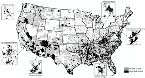 Many parts of the U.S. are potentially vulnerable to affordability issues.Spending on water and wastewater services combined should make up no more than 4.5% of household income, which is the U.S. Environmental Protection Agency’s affordability criterion. Water rates on average have increased 41% since 2010.
Driving factors include aging infrastructure: experts say it will cost more than $1 trillion to replace World War II-era water systems over the next 25 years. More intense weather events fuel a need for improvements to wastewater facilities, estimated to cost more than $36 billion by 2050.
Shrinking populations in major cities such as Detroit and Philadelphia impose additional pressure in terms of fewer people to pay for the large fixed cost of water service, the research says.
The researchers say they hope that enhanced awareness of this issue will highlight its severity, which is not isolated to people in the developing world.