Study Looks at Direct Potable Water Reuse
Dan Heilman | October 21, 2016The Water Research Foundation (WRF) released interim results from a study aimed at providing guidance for the appropriate use of blending as part of a direct potable reuse (DPR) project.
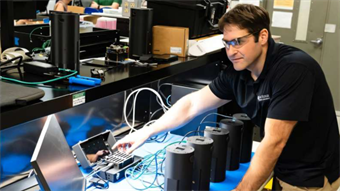
 Blending with DPR waters may help lower trihalomethanes. Image source: WRFThe study, “Blending Requirements for Water from Direct Potable Reuse Treatment Facilities,” examined the impact of four blending variables: source water type, blending location, recycled water ratio and type of advanced treatment train.
Four California utilities are participating in the bench-scale treatment/distribution system study: Santa Clara Valley Water District, City of Ventura, Clark County Water Reclamation District, and Los Angeles Department of Water & Power.
The bench-scale simulations were based on the participating utilities’ full-scale processes. The parameters tested include pathogens, emerging contaminants, regulated contaminants, corrosion-related issues, and general parameters such as pH and turbidity.
Among the preliminary findings are: blending with DPR waters may help lower trihalomethanes (THMs); blended water quality and bacterial activity appear to be predominant factors for corrosion products in premise plumbing testing; and antibiotic resistance gene composition in DPR blends appears similar or better than in potable water tests.
Bench testing using water from Santa Clara, Ventura, and Clark County is complete, and data are being analyzed. Bench testing using water from Los Angeles is in progress. The research team will issue a survey to about 20 participating utilities to understand their perspective on blending, and gather some water quality data. The final project results are scheduled to be published in early 2018. A video overview of the project is available for viewing.