Are All Bioplastics Created Equal?
John Simpson | September 29, 2016Conventional plastics are sometimes seen as environmentally unfriendly because they are made from fossil fuels. As plastic production grows, plant-derived polyethylene terephthalate (BioPET) has been touted as a greener alternative to PET, a plastic primarily used in beverage bottles.
But a University of Minnesota study suggests that this is not always the case.
Researchers from the university’s Institute on the Environment (IonE) compared the environmental impacts of 12 types of bottles with varying proportions of PET made from fossil fuels, row crops and forest residues (what remains after the usable part of the tree has been removed). They found that BioPET made from row-crop feedstocks, such as corn grain and stover, wheat and switchgrass, performed worse than traditional fossil fuel-based PET in almost every environmental impact category assessed, including smog and particulate production, acidification and fossil resource depletion.
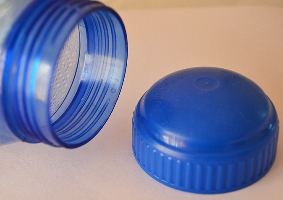 Researchers compared the environmental impacts of 12 types of bottles with varying proportions of PET made from fossil fuels, row crops and forest residues. Image credit: Pixabay.However, BioPET made from forest residues was found to require 22% less fossil fuel input and produce 21% less greenhouse gases than traditional PET.
“Compared to other renewable feedstocks used in BioPET bottle production, the use of forest residue feedstocks can significantly reduce important environmental burdens,” says Luyi Chen, graduate research assistant for IonE’s NorthStar Initiative for Sustainable Enterprise (NiSE) and the study’s lead author. “Not all BioPET is equally beneficial to the environment; some BioPET is better than others.”
A benefit of producing BioPET versus other types of renewable plastics, such as polyvinyl chloride (used in pipes) and polylactic acid (used in clothing, among other things), is that it can be seamlessly dropped into existing recycling systems.
“Our findings shed light on which types of BioPET bottles reduce impacts in their production, while providing renewable products that won’t inhibit efforts to increase recycling later on,” Chen says.