Zero-liquid discharge: From niche technology to industrial necessity
Diana Aoun | May 14, 2026Zero-liquid discharge (ZLD) is a wastewater treatment methodology that recovers approximately 95% of liquid waste for reuse, leaving behind only solid residues and no water discharged into the environment. While minimum liquid discharge (MLD) reduces liquid waste by 90% to 95% using membrane filtration and evaporation, ZLD goes a step further by adding thermal treatment stages such as evaporation and crystallization to achieve true ZLD.
ZLD is becoming an increasingly attractive option as water scarcity and stricter regulations put pressure on municipalities and industries to recover and reuse as much wastewater as possible. In addition to rising water stress, climate change and urban growth have reduced groundwater and surface water reserves, forcing industries to compete with municipal users. Untreated or poorly treated effluent has also damaged water bodies, prompting regulators to require ZLD. In certain industries in India and China, for example, ZLD has become mandatory as of 2026. Understanding how ZLD systems are designed, the technologies that enable them and the challenges associated with their implementation, is essential for facilities considering this technology.
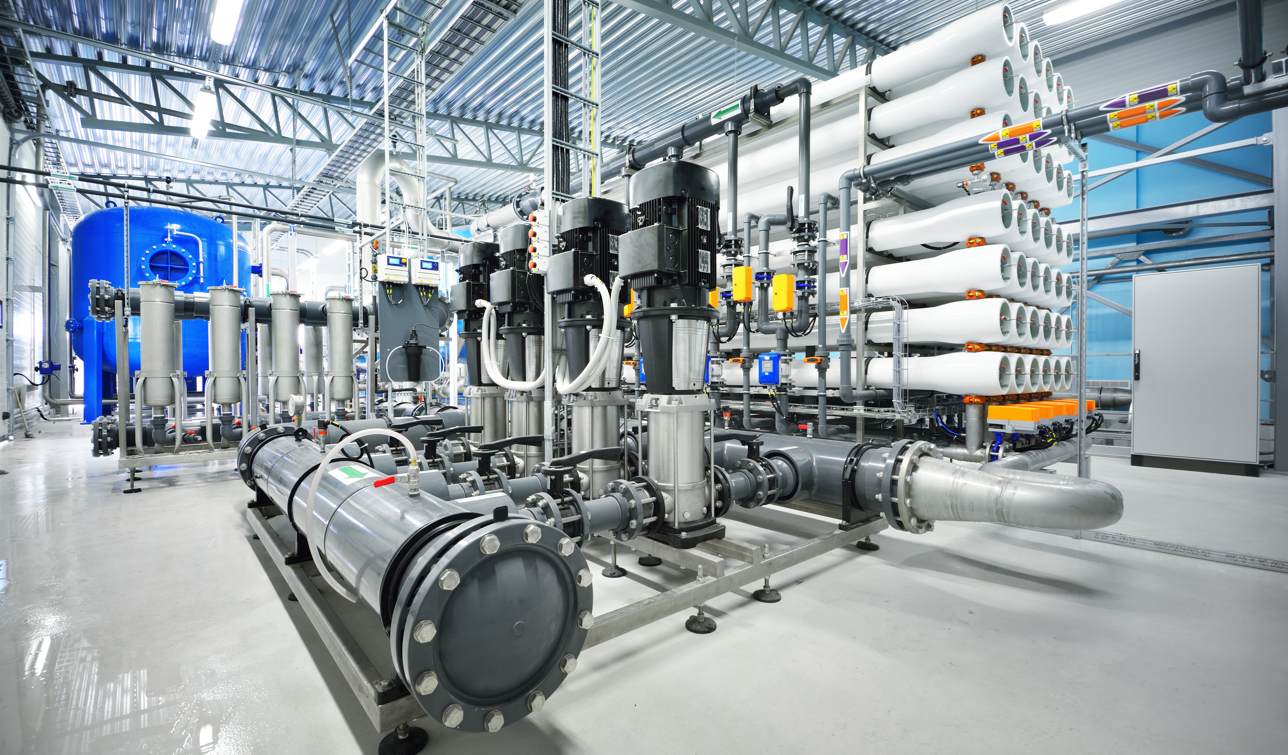 Figure 1: Thermal evaporation and crystallization complete the ZLD process. Source: Alex Stemmer
The treatment process
Like most wastewater treatment systems, the ZLD process consists of sequential treatment stages. Pretreatment removes hardness, metals and suspended solids using clarification, biological processes and chemical feed systems such as flocculation.
Pretreatment is followed by membrane filtration. Microfiltration and ultrafiltration capture fine particles to protect downstream equipment and maintain performance of subsequent processes. Reverse osmosis is then used to separate water from dissolved solids. For streams with higher salinity, forward osmosis can concentrate solutes with lower energy use, or osmotically assisted reverse osmosis, which combines both principles, can be applied to treat high-salinity brines within a ZLD framework.
Thermal evaporation and crystallization complete the ZLD process. Here, mechanical vapor recompression evaporates the water efficiently, leaving a supersaturated solution that passes to a crystallizer, producing dry solid waste for disposal or reuse. By integrating membrane and thermal technologies, ZLD systems achieve high recovery rates while meeting strict environmental standards.
Modular and smart system architecture
Modular ZLD water treatment plants are built on scalability and adaptability. Capacity can be expanded by adding modules, and plants can be reconfigured to meet new regulations. Modular skids and containerized systems are typically prefabricated and factory-tested, with installation requiring days rather than months. The compact footprint suits sites with limited space, and systems can be relocated or expanded as needs change. Standardized modules simplify maintenance and training, while factory quality control reduces operational issues.
Recent developments have seen ZLD systems integrating smart technologies. Industrial internet of things (IIoT) sensors track pH, conductivity, temperature and flow rates, sending instant alerts when parameters drift outside optimal ranges. Automation controls pumps, valves and dosing systems, with the system adjusting itself based on incoming data. Automated cleaning cycles and maintenance alerts keep equipment running smoothly, while predictive analytics adjust operating parameters using historical and real-time data, improving energy efficiency and recovery rates. Digital twins (i.e., virtual models that mirror physical assets) enable operators to track component performance, simulate different operational scenarios and minimize energy consumption while maximizing throughput.
 Figure 2: Chemicals for reuse. Source: Saltworks Technologies/CC BY-SA 4.0
Resource recovery and key challenges
Concentrated brine streams from ZLD systems contain valuable minerals and salts, including sodium chloride, sodium sulfate and lithium. Using advanced separation technologies, these materials can be recovered for reuse or sale. Salinity gradient power even allows operators to generate energy from salt concentration differences, supplementing the ZLD system's power demand. High capital expenditure, however, remains a significant barrier to ZLD adoption.
ZLD systems in 2026 also present a trade-off between water recovery and carbon emissions, where high energy demands for thermal evaporation (15 kWh/m³ to 25 kWh/m³) significantly increase carbon footprints unless renewable energy is used. Furthermore, these systems transform liquid wastewater into hazardous solid waste requiring specialized disposal and face economic challenges, with high operating costs driven by membrane fouling and scaling.
Some management strategies can include integrating renewable energy sources such as solar or biogas, along with membrane distillation and heat recovery systems. Small manufacturers, facing tight margins and limited space, have turned to shared effluent treatment plants as a practical pathway to ZLD compliance.
Solid waste management within ZLD requires careful handling. Residues from ZLD crystallizers must be segregated, tested and characterized before disposal or reuse. Some materials can be recycled or sold, while others require secure landfill disposal under strict regulatory guidelines. Trained personnel are also critical for ZLD installation, operation and maintenance.
Implementation and future configurations
ZLD implementation begins with assessing waste streams for type, volume and seasonal variation. A phased plan proceeds from primary and secondary treatment to membrane systems and finally thermal recovery, lowering disruption at each stage. Early dialogue with regulators helps establish realistic timelines and access to subsidies. Staff training and online monitoring enable real-time compliance.
Hybrid MLD-ZLD systems combine membrane processes for initial recovery with thermal steps for the remaining concentrate, offering a balance between compliance, cost and sustainability. Material innovations include new membranes and selective ion exchange resins that recover metals, acids and salts from wastewater. Energy innovations, such as anaerobic digestion and thermal hydrolysis, are transforming treatment plants from energy consumers into energy producers.
Conclusion
ZLD has transitioned from a technical aspiration to an operational baseline for industrial wastewater management. The growing mandate for ZLD is a reflection of the fundamental pressures of declining freshwater availability, stricter enforcement of discharge limits, and environmental damage from untreated effluent. While high capital expenditure and energy consumption remain barriers, modular architectures reduce deployment time, smart monitoring technologies improve operational reliability and resource recovery potential can help to offset costs through reclaimed water, salts and energy. Hybrid MLD-ZLD configurations offer a pragmatic pathway for facilities unable to implement full ZLD immediately. For industries facing regulatory deadlines, phased implementation provides a viable route to compliance. ZLD is no longer a future-oriented technology but a present requirement for industrial operation in water-constrained and heavily regulated industries.