Digital solutions for ensuring compliance in pH data management
Neha Shinde, courtesy of Mettler Toledo | January 12, 2026 Figure 1. Expert guidance for ensuring compliance in pH data measurement. Source: Mettler Toledo
Imagine you are a chef in a high-end restaurant. Every dish you serve must taste perfect and be safe to eat. Now, think of pH, like the acidity level in your ingredients, too sour or too alkaline, and the dish could be ruined or even unsafe. Similarly, across industries such as pharmaceuticals, food and beverage, and environmental monitoring, precise pH measurement plays a vital role in ensuring product quality and safety. Ensuring data integrity during pH measurements is crucial, as inaccuracies may result in severe outcomes such as expensive product recalls, financial setbacks and strict regulatory sanctions. Compliance with pH data management means ensuring that pH measurements are accurate, traceable, and handled in accordance with regulatory standards to maintain product quality and prevent safety risks or legal complications. One of the most effective strategies used for safeguarding the pH data integrity and compliance is the use of digital solutions. Digital solutions offer a reliable, streamlined way to monitor and analyze pH data, minimizing human error and improving workflow efficiency.
In short, the accuracy, integrity and traceability of pH measurements directly impact product quality, regulatory adherence and operational efficiency. Modern digital solutions have revolutionized how organizations handle pH data by offering enhanced tools for data logging, automated reporting and real-time monitoring. Let's understand it better with this article.
What is data integrity?
Data integrity refers that the results and observations are produced, preserved and provided as it is throughout the data lifecycle. From generating data to transferring, sharing and deletion, every step requires strict adherence to guidelines. It involves the practice of protecting data from unauthorized access, corruption, or loss, and keeping complete, consistent and accurate records to ensure it is reliable for decision-making, analytics and compliance purposes.
Why digital solutions are required for pH data management
In today’s highly regulated world of industries, traditional manual methods of recording and managing pH data are outdated; increasingly inadequate to meet stringent compliance requirements. Manual data entry is prone to errors, data loss and inconsistencies, which can compromise the integrity of pH data. And as we know, these errors not only affect product quality but also expose companies to regulatory risks, potential fines and damage to reputation.
Digital solutions address these challenges by automating data capture and management processes, thereby minimizing human errors and enhancing accuracy. They enable real-time monitoring, immediate alerts for deviations and secure data storage with audit trails, which are critical for traceability and accountability. In addition, digital solutions improve operational efficiency by providing centralized data access, advanced analytics and automated reporting. This allows faster decision-making and helps organizations proactively manage quality control.
Now, let’s get a clear understanding: when we say digital solution for pH measurement, is it only the sensor and pH meter that come to your mind? Or is there one software connected to handle everything? The answer is that it is a complete setup, incorporating all the innovative and specific digital technologies, their services and expert guidance required to meet the special needs of modern laboratories.
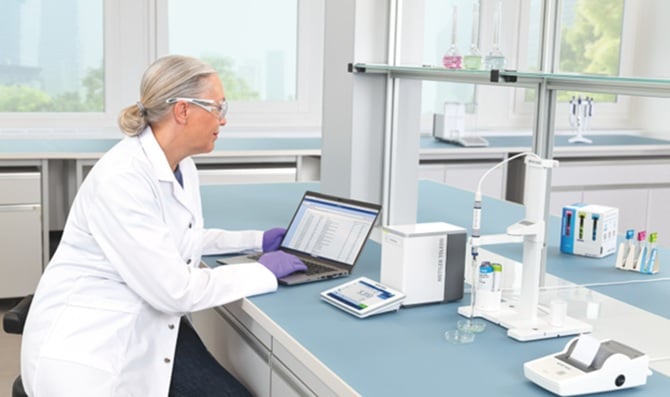 Figure 2. Complete digital pH solutions integrate advanced sensors, software and expert services to ensure accuracy, compliance and efficiency in modern laboratories. Source: Mettler Toledo
Industry-specific compliance demands and complexities
Different industries have unique regulatory frameworks and compliance needs when it comes to pH data management, reflecting the specific risks and quality standards inherent to their operations. Understanding these demands is crucial for implementing the right digital solutions that ensure regulatory adherence while optimizing operational workflows.
For example, the pharmaceutical sector is highly regulated with stringent standards such as FDA 21 CFR Part 11, which mandates electronic record-keeping and signatures. pH data in pharmaceutical manufacturing affects drug formulation, stability and efficacy. Compliance requires highly secure, validated systems that ensure data integrity, traceability and audit readiness. Even minor deviations must be captured and reported promptly to avoid compromising patient safety. Every company has a different approach and often follows different pharmacopeial standards depending on geographic location and company policy. The most common standards include the United States Pharmacopoeia (USP), the European Pharmacopoeia (EP) and the Japanese Pharmacopoeia (JP). Each pharmacopoeia sets specific requirements for pH measurement accuracy and verification procedures. These varying standards add complexity to pH data management, as the digital solution must be capable of meeting the specific compliance and validation needs dictated by the chosen pharmacopoeia. This includes ensuring that pH meters and sensors are calibrated and verified according to the relevant standards, with traceable electronic records and audit trails to satisfy regulatory inspections.
Similarly, in food production, pH levels are critical for product safety, shelf-life and taste consistency. Regulatory bodies like the FDA, ISO 22000, FSSC 22000, USDA and EFSA impose strict hygiene and quality standards. The complexity lies in managing pH data across multiple batches and processes, necessitating real-time monitoring and automated alerts to prevent contamination or spoilage. Also, chemical processes often involve hazardous substances where precise pH control is vital for safety and product quality. Compliance includes adhering to environmental, health and safety (EHS) regulations. Digital solutions must support complex data analytics, predictive maintenance and integration with control systems to prevent accidents and ensure regulatory compliance.
Each industry’s compliance landscape introduces its own complexities — from validation and audit requirements to real-time data management and integration needs. In this case, only digital pH data management solutions can be used as they are adaptable and scalable to meet these diverse challenges.
Elements of digital solutions for pH data management
Advanced measurement systems — These systems offer features such as temperature compensation and automated data recording, reducing manual effort and potential human errors. They also have a real-time alert system to notify of any deviations from predefined pH limits, allowing for timely corrective action. Such systems also provide step-by-step instructions to help users carry out routine operations, SOP-Standard Operating Procedures.
Data security support — Features such as user management, which give specific access rights depending upon the user level, ensure data security. Whether by job role, department or specific responsibilities, password-protected devices help organizations reduce the risk of data corruption by avoiding unauthorized access.
Data management — Some software helps in managing pH data with timestamps and user IDs to ensure traceability and accuracy. They also provide real-time updates on evolving regulations, helping companies to stay current and adapt their compliance program accordingly. These tools deliver remote monitoring capabilities and guide workflows for consistent pH measurement and generate compliance reports to respond quickly to audits and investigations.
Compliance-ready software platforms — Implementing secure software tools such as pH with LabX by Mettler Toledo, designed for laboratory environments to manage pH and other analytical data, helps in enhancing the efficiency of lab operations without compromising data integrity. It fully supports the regulations, such as the FDA 21 CFR Part 11, ensuring electronic records meet regulatory standards. It has automated audit trails that document all changes to electronic records. Digital audit trails make it easy to demonstrate compliance during inspections. It also has user access controls for preventing unauthorized access or data tampering.
When selecting digital solutions for pH measurement, it is essential to carefully consider the unique complexities and compliance requirements of your specific industry. Advanced systems like the NineFocus pH meter are designed to address these challenges by supporting features for efficient data logging, automated reporting and real-time monitoring.
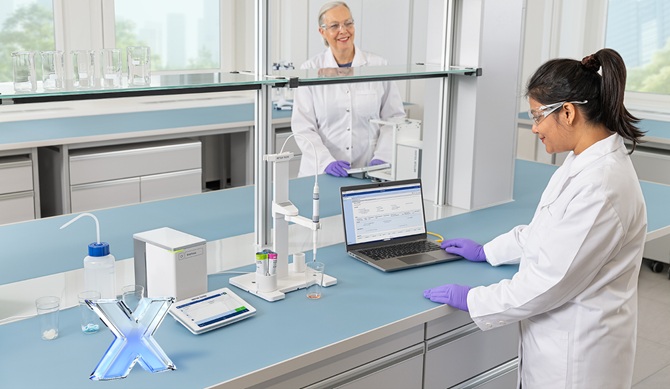 Figure 3. Advanced pH measurement system: NineFocus with InLab DES sensors and LabX. Source: Mettler Toledo
Benefits of digital solutions for pH data management
Digital solutions offer significant advantages for managing pH data effectively.
- Improved data accuracy: Reduce the risk of transcription errors and ensure that data is precise and complete.
- Increased efficiency: Streamline workflows, automate data collection and reduce manual errors, increasing efficiency and productivity.
- Real-time monitoring: Enable real-time monitoring of pH data, allowing for immediate adjustments and ensuring product quality.
- Compliance support: Provide audit trails, user access controls and electronic signatures, ensuring compliance with regulatory requirements.
Best practices for implementing digital solutions
- Validation of electronic systems: Validate all electronic record-keeping systems and data management software used for pH data according to applicable regulatory standards. This ensures accuracy, reliability and compliance of digital records.
- Regular maintenance and calibration: Schedule routine maintenance and calibration of sensors and digital systems to maintain data accuracy.
- Backup and recovery: Implement regular backup routines for all electronic pH measurement data to protect against data loss. Establish a comprehensive disaster recovery plan to ensure the rapid restoration of data and continuity of operations in case of system failures or other emergencies.
- Internal audits and continuous improvement: Perform frequent internal audits focused on pH data management systems to identify gaps or weaknesses. Use audit findings to drive continuous improvement in processes, technology and compliance.
- Training on pH measurement protocols: Conduct regular, targeted training sessions for all staff involved in pH measurement and data handling, emphasizing compliance requirements, proper use of digital tools, data integrity principles, correct documentation practices and adherence to standard operating procedures (SOPs) to ensure continuous improvement and maintain high standards in pH data management.
- Regular audits and risk assessments: Conduct scheduled audits and risk assessments on digital pH data systems to identify vulnerabilities and areas for enhancement, ensuring regulatory compliance and data security.
If you are uncertain about which solution best fits your needs, try our GEP-Recommendation tool.