Applied material science in robotics: The engineering of protective covers
September 01, 2025Industrial robots are at the heart of modern automation. From automotive assembly lines to food packaging facilities, robots work tirelessly in environments that often push machinery to its limits. These systems represent significant capital investments, with a single robot often costing hundreds of thousands of dollars. Yet, while much attention is given to robotic programming, sensors and integration, one crucial aspect is often overlooked: protection.
This is where robot covers — sometimes called robot suits, sleeves or shields — come into play. These coverings may not be as sophisticated as the robots themselves, but they serve a critical function: protecting valuable equipment from environmental hazards, extending service life and ensuring compliance with industry standards. Far from being optional accessories, robot covers are becoming essential components of automation strategies across industries.
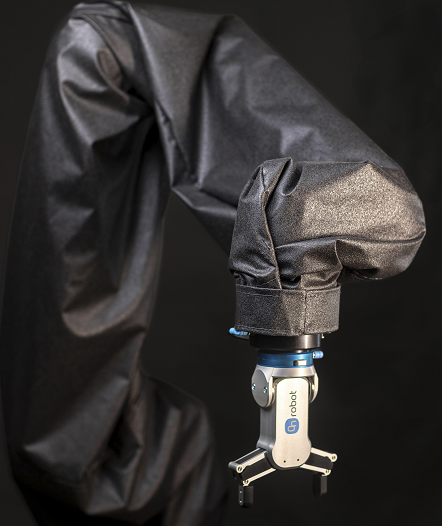 Figure 1: Robot covers are becoming essential components of automation strategies across industries. Source: Mid-Mountain Materials
Why robots need covers
Robots are designed for precision, but their reliability depends on how well they are shielded from the conditions they work in. Without protection, environmental hazards can lead to premature wear, costly downtime or even equipment failure.
- Environmental hazards: Dust, sparks, chemicals, oils, paint overspray, extreme heat and moisture are common in industrial environments. Over time, exposure can degrade seals, joints, sensors and cabling.
- Extended lifespan: A cover acts as a barrier, preventing unnecessary wear and extending the life of the robot’s most vulnerable components.
- Thermal control: Maintaining thermal stability is key to keeping robotic systems running reliably. Robot covers with ducting ports provide active thermal management and airflow control within the protective enclosure, producing the stable operating conditions that industrial robots depend on when exposed to extreme heat or airborne contaminants.
- Reduced downtime: Downtime is one of the most expensive issues in automation. A protective cover reduces unexpected breakdowns and the need for frequent repairs.
- Enhanced safety: Covers can reduce risks to human workers by insulating hot surfaces, cushioning sharp joints or containing contaminants.
- Regulatory compliance: In industries like pharmaceuticals and food production, covers help robots meet hygiene and sterility requirements by minimizing contamination.
In short, covers allow robots to work in environments where they might otherwise be damaged — or noncompliant with regulations.
The value of customization
Not all robots — or environments — are the same. This makes customization a critical factor when selecting protective covers.
- Precise fit and functionality: Robots vary widely in arm design, range of motion and tool attachments. A custom-fit cover ensures protection without interfering with operation.
- Application-specific design: Welding robots need heat-resistant covers; cleanroom robots need non-shedding, sterile fabrics; food-handling robots need washable, FDA-approved materials.
- Ease of maintenance: Custom covers can be designed with zippers, access panels or modular sections that allow technicians to service the robot without fully removing the cover.
- Transparency and visibility: Some covers incorporate clear windows so cameras or sensors remain unobstructed.
- Branding and presentation: In customer-facing environments, covers can be branded with company logos and colors, presenting a professional image.
A poorly fitting or generic cover can wear out quickly, restrict movement or fail to protect against key hazards. Customization ensures a balance between protection, usability and cost-effectiveness.
Why is silicone coated fabric widely used for robot covers?
The effectiveness of a robot cover depends largely on the material it is made from. Different industries and applications call for different properties. Silicone-coated fabrics are one of the most versatile options, as they provide the best balance of heat, chemical and environmental resistance, offering the following properties:
- High heat resistance (up to ~482° F/250° C, with short bursts even higher).
- Flame resistance and self-extinguishing properties.
- Excellent durability and flexibility in extreme temperatures.
- Resistance to oils, solvents and many industrial chemicals.
- Easy-to-clean, non-stick surface, ideal for food and cleanroom applications.
- High flexural resistance in ambient and outdoor environments.
While PTFE may outperform silicone in extreme conditions, it costs more and starts to degrade at 500° F/260° C, creating a safety hazard if humans are present. PU and PVC are suitable for lighter-duty needs, but cannot withstand the chemical and heat-resistant requirements of many operating environments.
Industry-specific benefits
A commonality among industries is that the use of robots is increasing as automation becomes more prevalent. However, the operating environment of each industry can vary widely, making customization of robot covers essential.
Manufacturing and welding
- Covers protect robots from weld spatter, grinding debris and high heat.
- Covers extend lifespan of sensors, cabling and joints.
- Covers reduce unplanned downtime on high-output production lines.
Painting and coating
- Covers prevent paint overspray and solvent buildup on sensitive joints.
- Non-stick cover surfaces allow quick cleaning and consistent finish quality.
- Covers improve up time by minimizing contamination-related errors.
Food and beverage processing
- Use of FDA-approved cover materials ensure hygiene compliance.
- Washable, waterproof cover designs withstand harsh cleaning protocols.
- Covers prevent cross-contamination between product runs.
Pharmaceuticals and cleanrooms
- Covers reduce particle shedding and support ISO cleanroom standards.
- Sterile, sealed cover fabrics withstand autoclave or chemical sterilization.
- Covers ensure compliance with good manufacturing practices (GMPs).
Electronics and precision assembly
- Covers protect against dust and microscopic particles.
- Covers featuring anti-static coating minimize risk of electrostatic discharge.
- Covers ensure precision and reliability in delicate operations.
Outdoor and harsh environments
- Weather-resistant cover materials protect against UV, rain, snow and temperature swings.
- Rugged cover fabrics withstand abrasion, dirt and heavy-duty conditions.
- Covers enable deployment of robots in construction, agriculture and mining.
Each industry faces unique hazards, but they all benefit from longer robot lifespan, reduced downtime and greater compliance with robot covers.
Choosing the right manufacturer
Because customization is so critical, selecting the right cover manufacturer is just as important as selecting the cover itself. The right manufacturer becomes a long-term partner in ensuring robot uptime and compliance.
Key considerations include:
- Material expertise: Can they recommend the right fabric for a specific industry?
- Design capabilities: Do they offer tailored fits, access panels and modular designs?
- Durability testing: Do they validate their covers in conditions similar to customers?
- Support and replacement: Can they quickly repair or replace worn sections?
- Cost versus ROI: Do they balance affordability with long-term value?
Future trends in robot covers
The field of protective robot coverings is evolving along with robotics itself. Emerging trends include:
- Advanced smart fabrics: Anti-static, antimicrobial and even self-healing coatings.
- Lightweight composites: New materials that reduce weight while increasing durability.
- Integrated sensors: Covers with built-in wear detection, allowing predictive maintenance.
- Customization at scale: Manufacturers using digital scanning and automated cutting for rapid, precise customization.
As robots enter more industries — from agriculture to healthcare — the demand for tailored, high-performance covers will only grow.
Conclusion
Robots are indispensable to modern industry, but they are also significant financial and operational investments. Without proper protection, environmental hazards, regulatory demands and everyday wear can reduce their effectiveness and lifespan.
Robot covers — especially those made from high-performance materials like silicone-coated fabrics — act as the hidden armor of automation. They extend equipment life, reduce downtime, ensure compliance with industry standards and create safer, more efficient workplaces.
The key lies in finding a manufacturer that can customize covers to fit both the robot and its environment. As automation expands into more sectors, the demand for specialized, durable and smart protective covers will only continue to rise.
In the end, covers are not just accessories. They are essential tools for protecting investments, enabling innovation and ensuring the long-term success of robotic automation.
Mid-Mountain has been manufacturing industrial robot covers for over 10 years. With their vast knowledge of materials science and manufacturing capabilities, they have provided robot covers for Fanuc, Kuka, ABB and Kawasaki robots, among other brands. Mid-Mountain understands that each operating environment is unique, and that robot covers are best when customized to the needs of that environment and the accessories included with the robot.
If a customer has invested in robotics for efficiency and safety, protecting that investment for a longer life cycle and improved ROI is imperative. Contact Mid-Mountain to discuss how they can customize robotic protection for that investment!