Stainless-steel conduit: A solution for any harsh environment
May 24, 2024Flexible stainless steel conduit is a safe and long-lasting way to protect electrical wiring and devices from damage in even the harshest environments. Depending on the intended application, it can be the ideal material as it is corrosion resistant, has a high crush strength and is a suitable for extreme temperature exposure.
Advantage of stainless steel conduit
Electrical conduit can be made from many materials including some plain carbon steel, hot-dipped galvanized (HDG) steel, aluminum and stainless steel. Even with all of these options, stainless steel alloys are the best choice in material for applications that require high strength and corrosion resistance.
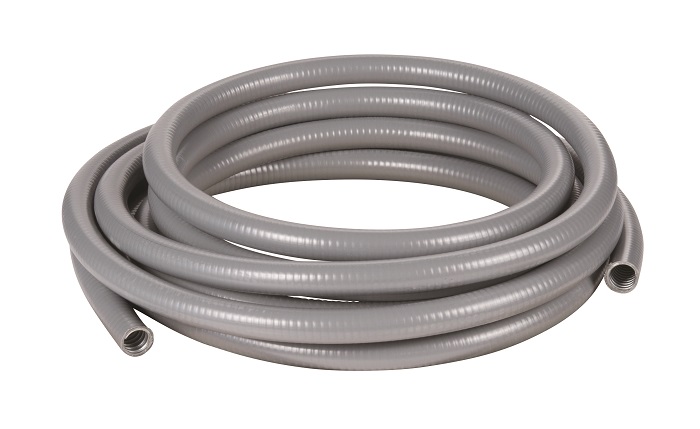 Figure 1: Coil of jacketed, flexible stainless steel conduit. Source: Electri-Flex
In terms of corrosion resistance, stainless steel is the best material for a wide range of chemical exposure. The material is resistant to chemical attack from a variety of substances, salt water and other environments that can quickly compromise plain carbon steel conduit. This makes stainless steel suitable for challenging environments, such as at ports, food processing plants, chemical plants and other potentially corrosive environments. Overall, it offers a longer life and less susceptibility to chemicals from a wider range of sources than plain carbon steel.
Aluminum also offers corrosion-resistant properties, however, stainless steel is much stronger than aluminum. It has higher crush resistance, meaning cables contained in the conduit are less likely to be damaged from occasional impact. While plain carbon steel offers crush resistance, its susceptibility to corrosion can weaken the crush resistance over time. Stainless steel will remain strong for years after it is installed.
Besides these major advantages, stainless steel alloys are often harder, meaning they are less likely to be eroded or worn by abrasive environments. This is particularly important in places where sand, dirt and other particulates repeatedly rub against the conduit.
This material also has higher fatigue resistance than aluminum alloys. Fatigue is a physical failure where repeated, cyclic stresses below the yield strength of the material will eventually cause it to break. For example, a length of conduit placed near a rail line will be repeatedly stressed in a cyclic manner. With enough cycles – even at seemingly low stresses – an aluminum conduit will fail while stainless steel can hold up in reliability to fatigue failures.
Industries relying on stainless steel
Harsh environments or environments that require a high degree of cleanliness especially benefit from the use of stainless steel conduit. While many industries have such demanding conditions, there are a number of real-world applications where these conduits can benefit particularly stringent situations.
Food and beverage manufacturing
In the food and beverage manufacturing industry, conduit can be exposed to numerous chemicals. Even the food products that are consumed every day, such as orange juice, vinegar and baking soda, can cause materials to corrode under repeated exposure. Not only do manufacturers have to worry about the corrosion of the conduit, but they also have to worry about corrosion flaking off and potentially contaminating the edible product. An overhead conduit above an assembly line may be continuously exposed to a corrosive environment.
Besides the exposure to food products, most food processing equipment is maintained through Clean-In-Place (CIP) or Steam-In-Place (SIP) procedures. In these, cleaners or high pressure steam are forced through the equipment for sterilization and cleaning purposes. The cleaners and the high temperatures and pressures can accelerate corrosion. Conduit that runs near or in these systems will be subject to this type of corrosion, making stainless steel conduit a better choice for these industries.
The chromium in the stainless steel drastically reduces the effects of corrosion, and thus it is measurably safer around food and beverage production lines. Arguably the most crucial aspect of stainless steel is that it is resistant to bacterial growth, making it a more hygienic choice for these industries.
Wastewater treatment
Supplying electricity and maintaining sensors and control wires at wastewater treatment plants is challenging. The corrosive atmosphere, which includes salt spray or other organic contaminants, can significantly shorten the lifespan of conduit. This is further exacerbated by wastewater treatment plants that include outdoor sections of a facility, exposing conduit to extreme temperatures, precipitation and sunlight.
The use of stainless steel conduit at wastewater treatment facilities ensures long life, with a much lower maintenance cost and less frequent replacement, as compared to other conduit.
Marine and shipbuilding
Shipbuilding operations, drydocks, marinas, transportation and fishing docks, commercial piers and boardwalks, and other marine applications require watertight, corrosion-proof conduit to reliably deliver power to equipment across long distances.
Stainless steel is particularly suited for this harsh environment. The corrosion resistance prevents damage from moisture and salt water, while the high crush strength prevents damage from normal wear and tear from personnel and equipment. Notably, aluminum is another well-suited and popular option in marine and shipbuilding applications since it can also be corrosion resistant.
Rail and mass transit
Mass transit hubs and stations, railways, bridges and tunnels have heavy electrical demands. Depending on the specific application, they may require lighting, climate control or power to run mobile equipment, sensors, security equipment and many other devices. Consider a commuter light rail station: it may have lighting and security cameras, electronic signs for informing passengers about train delays, sensors for locking out rail blocks to prevent collisions, and many other devices.
Just like in marine applications, many of these hubs are outdoors, meaning they face the summer sunshine, rain and potentially even salt exposure from snow and ice removal. This constant thermal and chemical exposure requires conduit to be watertight and resistant to corrosion.
Electri-Flex advantage
Electri-Flex has been developing and manufacturing Liquatite® flexible conduit for nearly 70 years. They provide industry-leading flexible conduit for numerous applications, serving many industrial, commercial and manufacturing facilities.
They have six stainless steel conduit families in their catalog, each serving a distinct purpose.
Type LSSFG
Geared toward the food and beverage industry, the LSSFG type is a jacketed, flexible 316L stainless steel conduit. It can also be custom ordered in 304L stainless. The jacket is made from an FDA-approved, antimicrobial flexible polyvinyl chloride (PVC) that is designed to withstand splashes and spills from oils and mild acids. This product meets FDA CFR21 and NSF 51/61 standards.
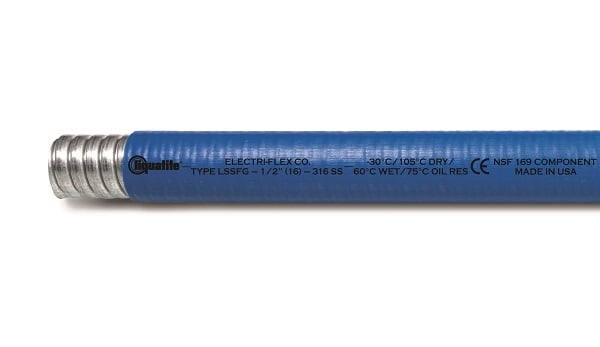 Figure 2: Type LSSFG. Source: Electri-Flex
Type LTSS
Type LTSS is a jacketed 304L stainless steel conduit designed for outdoor use. The flexible jacket is resistant to oil and mild acid exposure and is also resistant to deterioration from UV light. This conduit was designed to serve in corrosive environments and outdoor locations for defense, shipbuilding, wastewater treatment and other such industries.
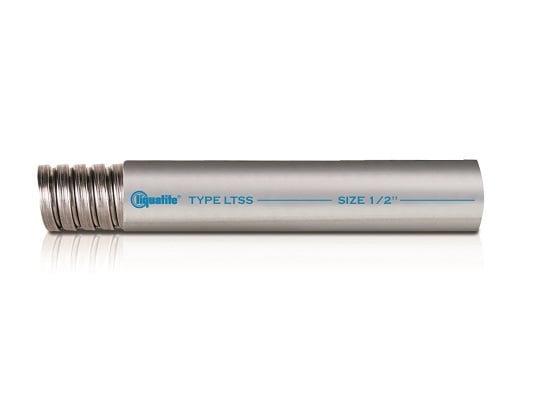 Figure 3:Type LTSS. Source: Electri-Flex
Type ZHSS
ZHSS conduit is a halogen-free product that is designed for use in defense, oil and gas, mining and similar industries. It uses a Halogen-Free Flame Retardant jacket material that has passed numerous ASTM tests for flame spread and smoke production, and also meets toxicity requirements per Bombardier SMP800-C. For refineries, mines and other places where there is an ever-present risk of fire, ZHSS can limit the spread of fire and avoid the introduction of hazardous gasses.
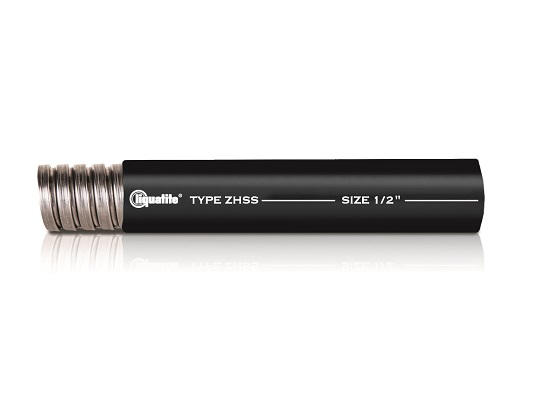 Figure 4: Type ZHSS. Source: Electri-Flex
Type ATSS
The type ATSS conduit is made from 316L stainless steel and is coated with a specially designed jacket to protect the conduit from a wider range of temperatures. The jacket is rated from -55° C to 105° C, with intermittent use rating up to 120° C, making it suitable for outdoor environments all over the planet.
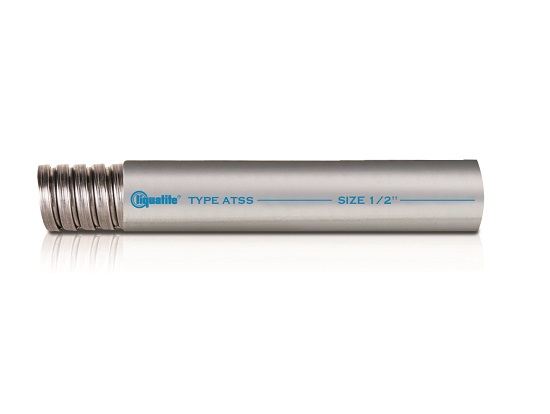 Figure 5: Type ATSS. Source: Electri-Flex
Type ATXSS
This conduit line is a 316L stainless steel product, jacketed with a thermoplastic rubber. The thermoplastic rubber allows the conduit to withstand temperature extremes of -60° C to 150° C and 165° C intermittently, but is also flame-retardant and halogen-free, meeting UL94-HB.
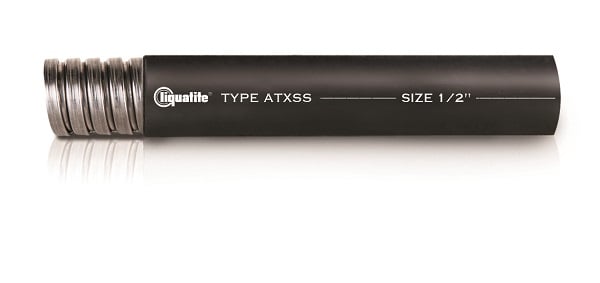 Figure 6: Type ATXSS. Source: Electri-Flex
Type SSL
SSL is an unjacketed, flexible, stainless steel conduit designed for fitting in tight spaces. Available in 304 or 316 stainless steel and with an ID as small as 0.172 inches (and OD as small as 0.280 inches), it can be used to protect wires for process equipment in tight indoor areas.
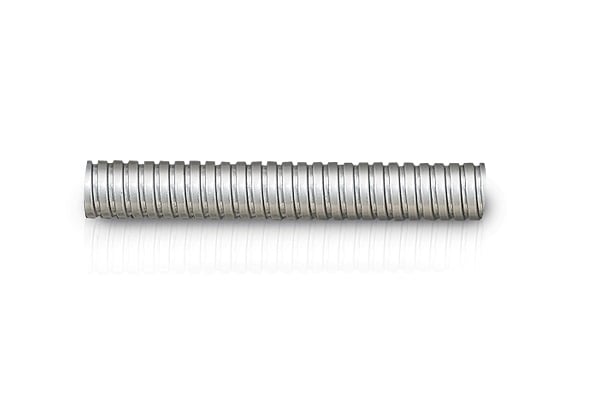 Figure 7: Type SSL. Source: Electri-Flex
Electri-Flex
With nearly 70 years of experience in the conduit manufacturing industry, Liquatite® by Electri-Flex can help improve the safety, quality and lifespan of virtually any industrial, marine or manufacturing operation. By choosing flexible stainless steel conduit, wiring will be protected for many years to come. To learn more about how these conduit options can benefit any application on the market, contact the experts at Electri-Flex.