DoD pursues second transportable micro reactor design
S. Himmelstein | October 27, 2023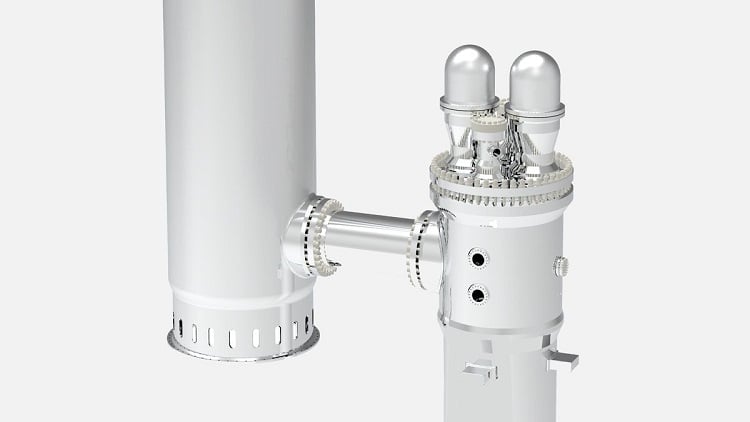 Source: X-energy
As part of its initiative to develop a transportable micro nuclear reactor, the U.S. Department of Defense (DoD) has awarded a contract option to X-energy to submit a reactor design that is ready for federal licensing for both commercial ventures and military resiliency.
While the one-year option will not result in a completed engineering design, the agency expects it to allow a thorough analysis of design options, leading to a preliminary engineering design and initiation of a regulatory preapplication process. This is the second contract awarded by DoD under its Project Pele initiative: the first was assigned to BWX Technologies Inc. in 2022 to build a transportable microreactor for use in disaster response and recovery, power generation at remote locations and other applications.
X-energy’s transportable microreactor is designed to generate in the range of 3 MW to 5 MW and is differentiated to be cost-competitive with remote diesel power. X-energy will initiate pre-licensing engagement with the U.S. Nuclear Regulatory Commission in order to enable a broad range of deployment possibilities to decarbonize off-grid, remote or small-scale grid resiliency needs.
"Due to their extraordinary energy density, nuclear reactors have the potential to serve multiple critical functions for meeting resiliency needs in contested logistical environments," said Dr. Jeff Waksman, Project Pele program manager. "By developing two unique designs, we will provide the services with a broad range of options as they consider potential uses of nuclear power for both installation and operational energy applications in the near future."
DoD currently uses about 30 TWh/year of electricity and more than 10 million gallons of fuel per day. Power consumption levels are expected to increase due to anticipated electrification of the vehicle fleet and maturation of future energy-intensive capabilities. A safe, small, transportable nuclear reactor would address this growing demand with a resilient, carbon-free energy source that does not add to the agency’s fuel needs, while supporting mission-critical operations in remote and austere environments.