New tech expedites bacterial testing in food
Marie Donlon | September 29, 2023Researchers from Japan’s Osaka Metropolitan University have developed technology that rapidly and accurately determines the number of viable bacteria in food products — an indicator of food free from contamination.
The team is reportedly making this determination electrochemically using tetrazolium salt (MTT), a water-soluble molecule. According to the team, this approach reduces the inspection time from the standard two days to roughly one hour, no matter the bacterial species.
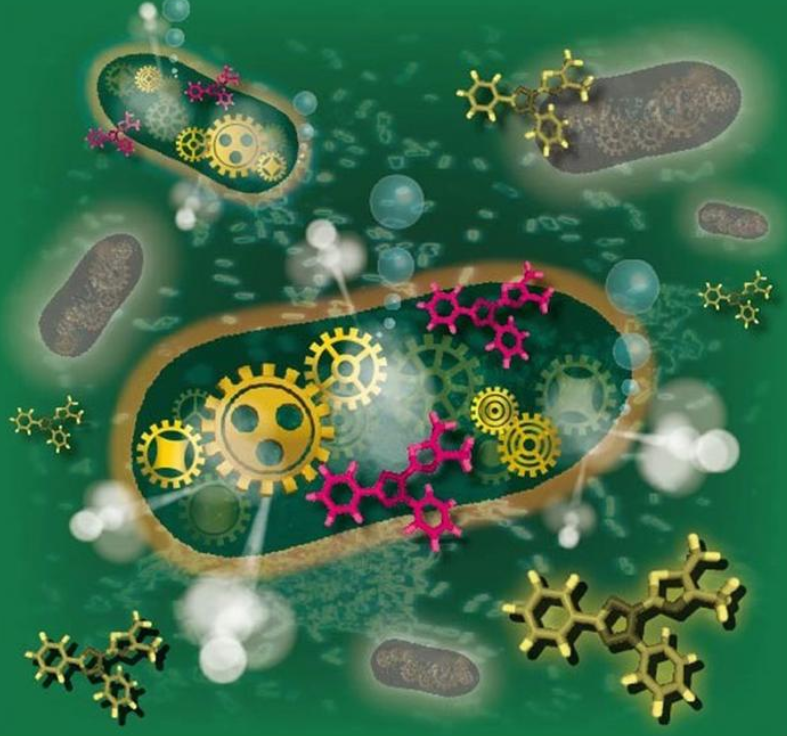 This technology accurately measures viable bacteria in food within 1 hour, as opposed to 2 days, regardless of bacterial species. Unlike existing technologies, this method does not require complicated operations or expensive equipment. Source: Hiroshi Shiigi, Osaka Metropolitan University
By reducing the time it takes for identifying bacterial contamination from as many as two days to just one hour potentially avoids fatal consequences, the researchers explained.
“With this method, we can quickly measure the number of viable bacteria, allowing us to confirm the safety of food products before they leave the factory and to prevent food poisoning,” the researchers added. “This method does not require complicated operations or expensive equipment. Therefore, we will continue to optimize the measurement conditions and expect to see the development of a portable sensor in line with the development of research aimed at practical applications.”
An article detailing the approach, Evaluation of Bacterial Activity Based on the Electrochemical Properties of Tetrazolium Salts, appears in the journal Analytical Chemistry.