EPA: $271b Needed for U.S. Wastewater Infrastructure
Engineering360 News Desk | February 09, 2016More than $270 billion is needed over the next five years to maintain and improve the nation’s wastewater infrastructure, including the pipes that carry wastewater to treatment plants, the technology that treats the water and methods for managing stormwater runoff, according to a survey conducted by the U.S. Environmental Protection Agency (EPA).
EPA's survey asked states and territories for information on projects required to address water quality-related public health problems, and requested data on site-specific solutions, including detailed project cost estimates.
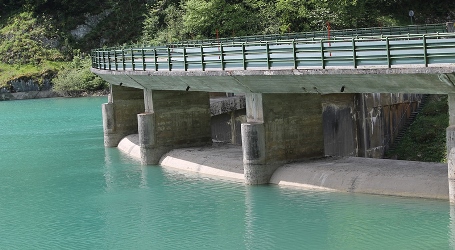 Some $48 billion is needed to prevent discharges of stormwater and untreated wastewater during wet-weather events. Image credit: Pixabay.The survey reported the following infrastructure needs:
- $52.4 billion to meet secondary treatment standards. Secondary treatment uses biological processes to meet the minimum level of treatment required by law.
- $49.6 billion to provide upgrades so treatment plants can attain a level of treatment more protective than secondary treatment. Advanced treatment may also treat nonconventional or toxic pollutants such as nitrogen, phosphorus, ammonia or metals.
- $51.2 billion to rehabilitate and repair conveyance systems.
- $44.5 billion to install new sewer collection systems, interceptor sewers and pumping stations.
- $48 billion to prevent periodic discharges of mixed stormwater and untreated wastewater during wet-weather events.
- $19.2 billion to plan and implement structural and nonstructural measures to control polluted runoff from storm events
- $6.1 billion for conveyance and further treatment of wastewater for reuse.
EPA launched the Water Infrastructure and Resiliency Finance Center in January 2015 to work with states and communities in identifying financing strategies for drinking water, wastewater and stormwater infrastructure. The center recently selected regional Environmental Finance Centers to help communities develop sustainable payment solutions to meet environmental goals.
The agency also offers financial assistance to address the types of infrastructure needs covered in the survey. The Clean Water State Revolving Fund has provided more than $111 billion in low-interest loans since its inception in 1987, including $5.8 billion in FY 2015 alone.