Powering the future: Custom heating solutions for hydrogen fuel cell applications
June 06, 2023A recent article in the Wall Street Journal (WSJ) titled “America Is Back in the Factory Business,” discusses the rise in production at U.S. factories last year, and notes that “few things were produced at a more furious pace than factories themselves.” The article goes on to say, “New factories are rising in urban cores and rural fields, desert flats and surf towns. Much of the growth is coming in the high-tech fields of electric-vehicle batteries and semiconductors, national priorities backed by billions of dollars in government incentives.” The WSJ states that the current administration, “seeing electric vehicles and semiconductors as matters of national security, has devoted billions of dollars to expanding those industries in the U.S. States are kicking in billions more.” According to the article, in Lansing, Michigan, the town where Oldsmobile originally started, a factory is being built, dedicated to producing EV batteries in late 2024.
Backer Hotwatt is on the leading edge of the rapidly emerging hydrogen fuel cell technology market. Their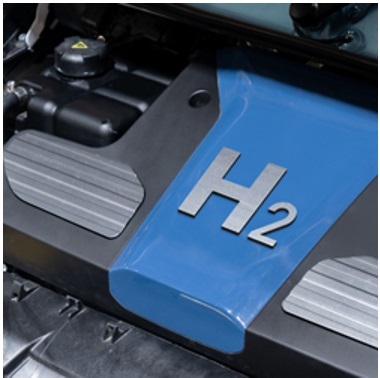 Figure 1: Hydrogen is an efficient fuel, and its many advantages include being readily available and renewable with no polluting emissions. Source: Backer Hotwatt broad technology, experience and deep bench of knowledgeable engineers enable them to design custom heating solutions — based on the unique geometries, materials and temperature requirements — of hydrogen fuel cell applications. This discussion provides an overview of hydrogen fuel cell technology and Backer Hotwatt’s custom heating solutions.
Fueling clean, sustainable energy
The viability and efficacy of fuel cell technology is advancing as demand for environmentally sustainable energy solutions increases worldwide. One application in particularly high demand is for hydrogen fuel cell engines to power vehicles, primarily within the commercial sector.
Hydrogen is an efficient fuel, and its many advantages include being readily available and renewable with no polluting emissions. Obstacles to widespread adoption, such as having little infrastructure in place and the expense of moving hydrogen around, will be overcome in time as new solutions are developed to meet the increasing demand.
Backer Hotwatt is working with innovative companies to develop heaters to meet the precise requirements of hydrogen fuel cell engines.
Why do engine systems and components need to be heated?
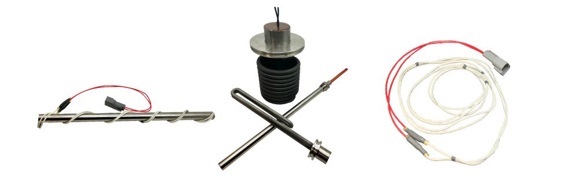 Figure 2: Hydrogen fuel cell stack. Source: Backer Hotwatt
In creating hydrogen fuel cell engines for use in cold weather environments, it’s essential to bring the fuel cell stack and system components up to temperature to prevent hydrogen and water from freezing.
In temperatures above -15° C, passive preheating (using the system-generated heat) can be an acceptable method to bring the stack up to temperature. In environments that are less than -15°C, active preheating is required. One of the best methods to actively preheat the stack is to heat the system coolant.
Backer Hotwatt designs different types of heaters based on the amount and type of coolant, time required to get the material to the target temperature, and the coolant reservoir design. These heaters can also perform double duty as a bleed resistor for residual energy. Other system components may also require dedicated heat sources to bring them up to temperature so that the system can work properly.
Sensor manifolds, valves, nozzles and hydrogen gas lines may all require low-wattage heaters to boost the system performance in cold weather applications. Backer Hotwatt’s engineers collaborate with customers and design solutions based on their unique needs and requirements.
Customer success story: A flexible, powerful heating solution
One of Backer Hotwatt’s current initiatives — on fuel cell engines for heavy-duty commercial vehicles operating in challenging environments — is helping to create greater efficiencies and a greener planet. Working in close partnership with the customer, a fuel cell engine company, Backer Hotwatt engineers created a cold weather heat package to install on multiple system components that required a high degree of flexibility and adhesion, as well as the ability to heat varying liquids across a wide range of power requirements in a short period of time.
“The customer looked at three suppliers, got samples — and after running tests — it was pretty obvious that our heater was the only one that could achieve their desired outcomes,” said Jamie Holley, Backer Hotwatt’s president. The customer originally approached Backer Hotwatt in order to meet a market requirement that the fuel cell engine be operable in environments as cold as -30° C.
Heaters were required to keep coolant and water from freezing in hydrogen inlet and outlet lines, valves and internal engine compartments. Flexibility and adhesion were key factors, considering the potentially harsh conditions the engines would be operating in. Collaborating with the customer, Backer Hotwatt designed a wire heater and a flat silicone heater to meet the unique requirements of heating the hydrogen fuel cell engines.
Heater harnesses of varying lengths — up to 12 ft — were designed to install around piping that feeds into the hydrogen inlet and port areas, and the valves that exhaust water travels through. The heaters preheat the hydrogen coming in, so that ice is not created when the liquid meets the fuel cell and in areas where water travels or moisture builds up, ensuring that ice does not form.
Deeper inside the engine, flexible, flat silicone heaters were created to heat small areas without being invasive. As these compartments are compact and hard to access, the heaters needed to be surface mounted on the components. For example, in these high humidity environments, check valves (which are used to ensure air does not flow back into the system when the engine is shut down) can develop condensation and freeze in an open position. As an additional failsafe, the heaters for these systems’ components have built-in thermostats for over-temp protection.
The hydrogen fuel cell engines are now in production and are meeting the performance challenges associated with running fuel cells in extreme cold weather environments. “It’s exciting to be a part of this innovative technology. Our team has an uncanny ability to comprehend, interpret, and embrace each of our customer’s visions. Fuel cell technology is a perfect fit for us. This emerging field allows us to flex our knowledge and skill, and to help our customers perfect sustainable energy solutions that will have a positive impact for generations to come,” said Holley.
Heating hydrogen fuel cell stacks and system components
For customers in need of custom solutions for hydrogen fuel cell engines that are required to operate in challenging environments, Backer Hotwatt works closely with customers to design heaters specific to their engines’ specifications.
For engines that must be operable in environments as cold as -30° C, Backer Hotwatt’s engineers review the fuel cell stacks, compartments and components where liquids such as hydrogen or exhaust water may flow through or build up.
Heaters are required to keep coolant and water from freezing in hydrogen inlet and outlet lines, valves and internal engine compartments. The Backer Hotwatt team considers many factors, including:
· Flexibility
· Adhesion
· Geometries
· Environmental conditions
· How the heater will interact with surrounding materials
The various types of heater designs
Backer Hotwatt designs a variety of heaters for fuel cell engines, such as heater wire harnesses of varying lengths that are installed around inlet and transfer hoses and pipes, as well as flat silicone heaters that heat smaller areas without being invasive. Silicone heaters are ideal for compact compartments and areas that present difficult mounting options. These heaters can be made self-adhering and will lie flat on the surface for maximum heat transfer.
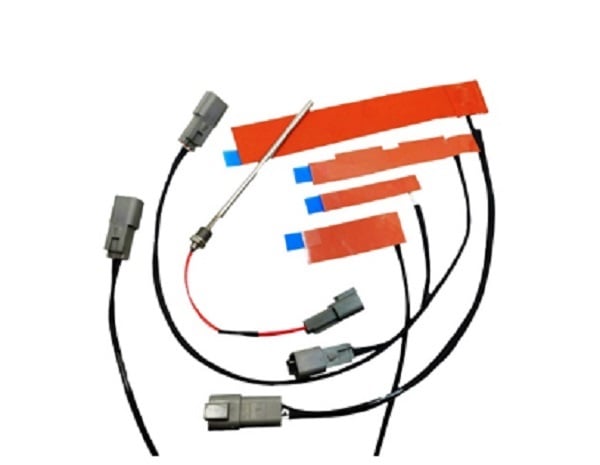 Figure 3: The cold weather package. Source: Backer Hotwatt
Heater wire harnesses are a rugged and highly flexible solution that can be installed on system components with challenging sizes and geometries. Hydrogen and exhaust water that travel through valves, inlet and port areas where ice can build up can be heated to ensure system performance and reliability.
In an environment with 100% humidity and the potential for droplets, a check valve can be installed to ensure that air does not flow back in when the engine is shut down. Thermostats can be embedded in silicone heaters to regulate temperatures and prevent overheating.
Why Backer Hotwatt’s solutions are the most powerful, flexible and advantageous
Backer Hotwatt’s expertise in designing and manufacturing heaters for some of the world’s most challenging applications enables them to apply their knowledge and experience to emerging technologies such as hydrogen fuel cell engines.
Backer Hotwatt works closely with their customers to develop custom solutions that meet their requirements for physical design space, performance and reliability. Whether customers are heating air, liquids or surfaces, the Backer Hotwatt team of experienced engineers apply their expertise to help hydrogen fuel cell and engine OEMs deliver superior performing products.
Their team is proud to help innovative companies advance their technologies and contribute to the development of sustainable energy solutions for greater efficiencies and a greener planet.
Backer Hotwatt can help advance hydrogen fuel cell technology
Backer Hotwatt offers the largest product line available of micro-cartridge heaters to solve difficult engineering and performance challenges. Their rugged, reliable small form factor heaters are used in a wide range of applications — from hydrogen fuel cell technology and semiconductor test sockets to medical devices, and gas detection equipment to opto-electronics — any application where precision heating and reliability are paramount.
Backer Hotwatt can help custom design and build the best heaters for customer hydrogen fuel cell engines — based on the unique geometries, materials and temperature requirements of an application. Contact an engineer today to set up an exploration consultation.