How to automate a coolant system for maximum efficiency
Vicky DiMichele, digital marketing coordinator, Zebra Skimmers Inc. | April 30, 2023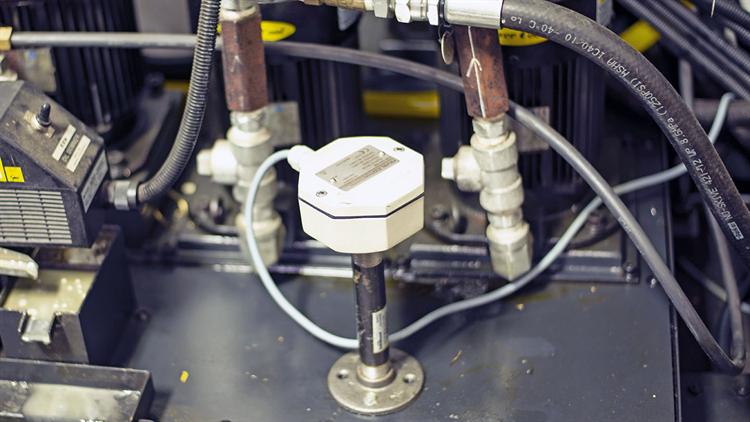
As technology advances, automation is becoming more and more prevalent in CNC machine operations. Automating a coolant delivery system can drastically improve the performance of CNC operations, making it easier to quickly make precision cuts and eliminate costly errors.
Here's a quick guide to automating CNC coolant delivery systems for production facilities.
Understand CNC cooling needs
CNC machines generate heat, which can lead to decreased performance and even damage to the machine components. It is crucial to have an effective cooling system in place to maintain optimal operating temperatures and performance.
Before automating a coolant system, it is important to understand the cooling needs of the specific machinery. Consider factors like the type of material being machined and the tooling requirements for more precise performance. This will help determine the ideal flow rate and volume of coolant needed for peak efficiency.
Here are some factors to consider when understanding specific CNC cooling needs.
- Machine size and complexity: Larger and more complex machines generally require more cooling capacity than smaller, simpler machines.
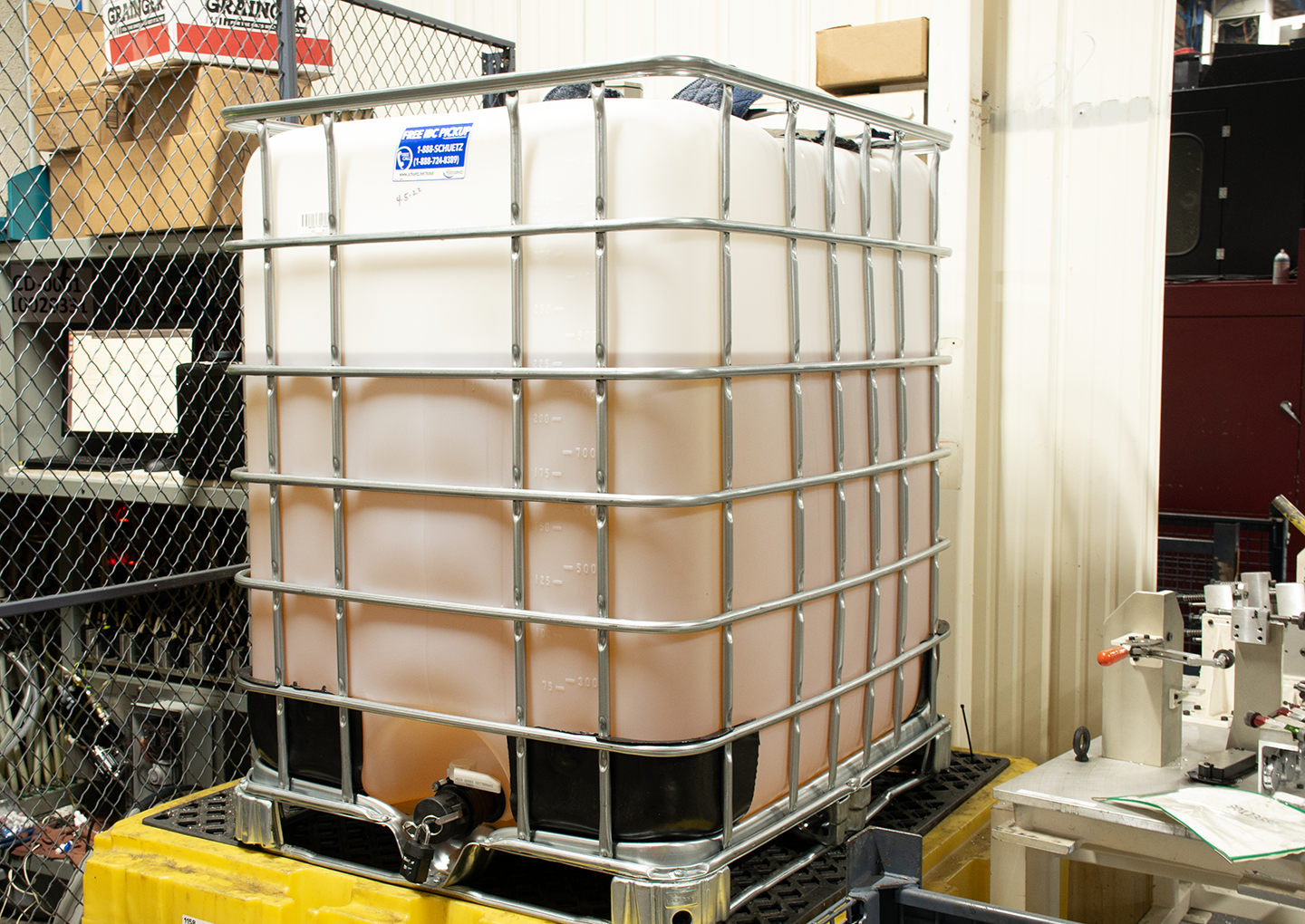 Source: Zebra Skimmers
- Operating environment: The ambient temperature and humidity levels of the room where the machines are located can affect cooling requirements.
- Material being machined: Different materials will require different amounts of cooling due to variations in their thermal conductivity and other properties.
- Machining speed and tool wear: Higher machining speeds and tool wear can generate more heat which require more cooling.
- Coolant type: There are various types of coolants available. Each type has advantages and disadvantages, and the choice will depend on the specific application.
It's essential to select a cooling system that is reliable, efficient, and easy to maintain. Regular maintenance of the cooling system is also crucial to ensure that it operates effectively and to prevent downtime due to cooling issues.
Remember to take into account not just the overall cost of the coolant but the man hours it takes to monitor and maintain it. What is the average hourly rate for those tasks? Can the employees be more productive by actually running the machines? Are there healthcare costs associated with close contact with the coolant or moving the totes of coolant across the shop floor?
Identify the solution
There are a variety of choices available on the market, ranging from simple pumps and timer controllers to advanced systems with an in-process refractometer to continuously monitor coolant concentration with an interface that digitally collects data to analyze the system performance across several key metrics.
Consider factors like cost, reliability, size constraints, and operational flexibility before reaching a decision. Local distributors and coolant suppliers are both great options to begin with.
Here is a list of factors to think about when researching.
- Type of coolant system: Different coolant systems may require different levels of automation. For example, a simple flood coolant system may only require basic automation, while a complex mist coolant system may require more advanced automation.
- Desired level of control: Determine how much control is needed over the coolant system. Will a basic on/off control suffice, or is there a need for more advanced features such as temperature, flow rate monitoring and adjustment?
- Integration with the machine: The automation system should be compatible with a machine's control system and be easy to integrate without causing much downtime or disruptions to production.
- Level of maintenance required: The automation system should be easy to maintain and require minimal manual intervention. This will greatly reduce downtime and maintenance costs.
- Cost: The cost of the automation system should be considered in relation to the potential benefits, such as increased efficiency and reduced employee maintenance costs. What is the ROI?
It's important to work with a reputable manufacturer or supplier who can provide guidance and support to ensure that the automation system meets specific needs and requirements.
Install and configure the system
After selecting an optimal coolant automation system, it is time for the install. Always consult with the manufacturer for instructions during this process and if necessary, a certified technician with experience in coolant maintenance.
 Source: Zebra SkimmersOnce installed, configure the system by setting operational parameters such as temperatures, flow rates for fluids, and calibrating sensors for accurate readings. Many companies offer this service during a major installation.
Remember to provide training to operators to ensure that they understand how to use the automation system and are aware of any safety precautions or maintenance requirements.
Test and monitor the new coolant system performance
After the new automation system is installed, test it and monitor the performance in real time. Start off with optimizing the coolant system to ensure that all parts are functioning at their peak performance and running at recommended speeds. Check for any leaks or unexpected pressure build ups which can indicate problems later on.
Here are some steps to follow for testing and monitoring the new system.
- Establish a baseline: Before installing the new automated coolant system, establish a baseline for the machine's coolant system performance. Record data such as the coolant flow rate, temperature, and pressure.
- Test the system: Run the machine with the new automated coolant system installed and monitor the coolant system performance. Again, record the data.
- Compare the data: Compare the data collected before and after the installation to determine the improvements in your system’s performance.
- Adjust the settings: Use the automation system's control panel to optimize the system's performance.
- Monitor regularly: Continue to monitor the coolant system’s performance regularly to ensure that it is functioning correctly and that any issues are identified and addressed promptly. In some packages, users are able to monitor both on a computer and while mobile through a phone or tablet.
- Perform maintenance: Follow the manufacturer's guidelines for regular maintenance of the automated coolant system, such as cleaning sensors (if not included in the automation package) and replacing worn components. Regular maintenance can help ensure that a system continues to function optimally.
 Source: Zebra SkimmersBy following these steps, operators can test and monitor the performance to ensure that the system is functioning correctly and providing expected benefits. Address any issues promptly to avoid any negative impact on the machine's performance.
Evaluate and analyze - In 2023 and beyond
Continuous evaluation and analysis of CNC operations are key to maintaining peak efficiency in the newly automated coolant system. Test out different approaches to maximize performance or discover other areas for improvement.
Set up various control systems and checks so that problems can be corrected quickly and alert management when necessary. Tuning a few parameters can bring about huge changes in efficiency and cost saving measures, so it's always best to evaluate, analyze, and repeat as needed for ultimate optimization of a CNC machine’s coolant system.
The ultimate goal of any CNC coolant automation system is to reduce down time, reduce defect rates, minimize coolant costs and improve production efficiencies.
About Zebra Skimmers
Since 1994 Zebra Skimmers has built a reputation for providing the metalworking industry and other industries with oil skimmers and metalworking fluid automation systems. Their reputation is built on strong customer service, expert technical know-how and delivering American-made, American quality products & solutions.