Sustainable transportation: The way forward
N. Mughees | April 10, 2023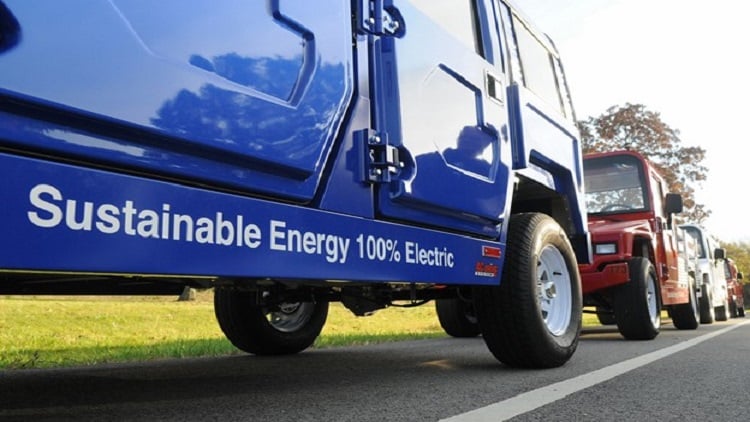 Source: Smart Energy Institute
The rapid expansion of cities has resulted in a rise in the variety of transportation options available and the number of cars on the road to meet the needs of a growing population. The goal of transportation and movement is to carry people and things quickly and easily while minimizing harm to people and the environment. It's easy to say, but not so easy to do. Collaboration between government agencies and commercial companies is needed to ensure an adequate range of transportation options. Transportation and movement in cities are intricately intertwined with urban planning and design. The shape of the physical environment and people's standard of living are profoundly impacted by the accessibility of transportation networks. A long-term plan for the reliable conveyance of people and products should drive any policy changes in the transportation industry.
Current state of transportation
Generally speaking, cities are less sustainable and more reliant on cars than rural places. Unfortunately, urban administrators in emerging nations are repeating the mistakes of the past by prioritizing the automobile in their plans for improving public transportation. However, in an effort to recover from an age in which cars dominated urban growth, many developed-world cities have halted the construction of new infrastructure for cars and instead are reallocating road space to public transportation other modes of transportation that do not rely on motorized vehicles.
More people mean more cars on the road, which in turn means more congestion and a less pleasant commute for everyone. Commuters pay a heavy price for this in the form of wasted time and higher gas bills due to the increased number of starts and stops their cars experience. Most people in poor nations rely on public transit because they cannot afford to own automobiles. Many residents in medium and big cities cannot get to jobs, schools or government services without using public transit. These locations are too far distant to reach by foot or bike. On-demand mobility, ease of finding and catching, and coverage of all areas — including those with little access to official transportation — make informal paratransit services a need for many commuters in developing city centers. However, there are significant drawbacks to these unofficial modes of transportation, including increased traffic congestion, air and noise pollution, fatalities, and violence amongst path cartels.
The need for sustainable transportation
It's imperative that we find a way to meet the transportation needs of the ever-increasing urban population and freight that plagues megacities, and doing so will require the development of sustainable transportation systems. These systems are generally defined as any means of travel that considers the needs of its users and provides a range of options that are all humanely priced, risk-free and convenient. Reliance on renewable or regenerated energy instead of fossil fuels is promoted to reduce environmental effects. Vehicles in use today consume huge amounts of power, releasing toxic chemicals that pollute the atmosphere and cause health problems. Using environmentally friendly transportation options is helpful in avoiding these negative outcomes.
Learn more about this topic with a free subscription to the Automotive Technology and Transportation Technology newsletters from GlobalSpec.
Examples of sustainable transportation systems
• An electric bike. It does not release any toxic gases into the air.
• An electrical vehicle. They pose no environmental risk since they produce no greenhouse emissions and are completely powered by electricity. This energy may be harvested from sustainable sources.
• Bicycle. To avoid contributing to global warming, more people are turning to bicycle transportation.
• A green train. These are cutting-edge in the realm of environmentally friendly technology since they produce no emissions of any kind.
• Multiple-occupant cars. In addition to reducing the number of automobiles on the road, carpooling also helps cut down on pollution.
• The zero-emissions, battery-powered motorbike.
• A hybrid car. One of their motors is powered by gasoline, while the other is powered by electricity. They help preserve resources and lessen the need for gas.
• Trucks and delivery vans powered by electricity and biofuels.
• Light rail transportation systems, or monorails. These use an electric locomotive and travel along a single rail. Monorails can either be suspended or straddled, but both feature just one rail, require frequent checks for wear and tear that add up in expense, and travel at an average of only 60 km/h. Powered by electricity or batteries, these offer some of the least polluting choices for public transportation.
• Walking to school, work and stores produces no greenhouse gas emissions. Walking is beneficial to human health and costs nothing.
Conclusion
Developing a sustainable transportation system necessitates enhancing the system's characteristics and addressing them holistically. In comparison to traditional transportation systems, sustainable transportation emits less or no greenhouse gases; bicycles, carpooling, and electric motorbikes will save a substantial amount of money; the usage of fossil fuels will be reduced, hence lowering the negative impact on the economy; better health and enhanced quality of life would be possible; traffic congestion would be reduced by reducing the number of automobiles on the road; and reliance on nonrenewable energy sources would be reduced.