Custom-built counters may thwart cyberattacks on microgrids
Marie Donlon | December 15, 2022A team of researchers from Saudi Arabia’s King Abdullah University of Science and Technology (KAUST) suggests that hardware performance counters (HPCs) could be used to protect microgrids from cyberattacks.
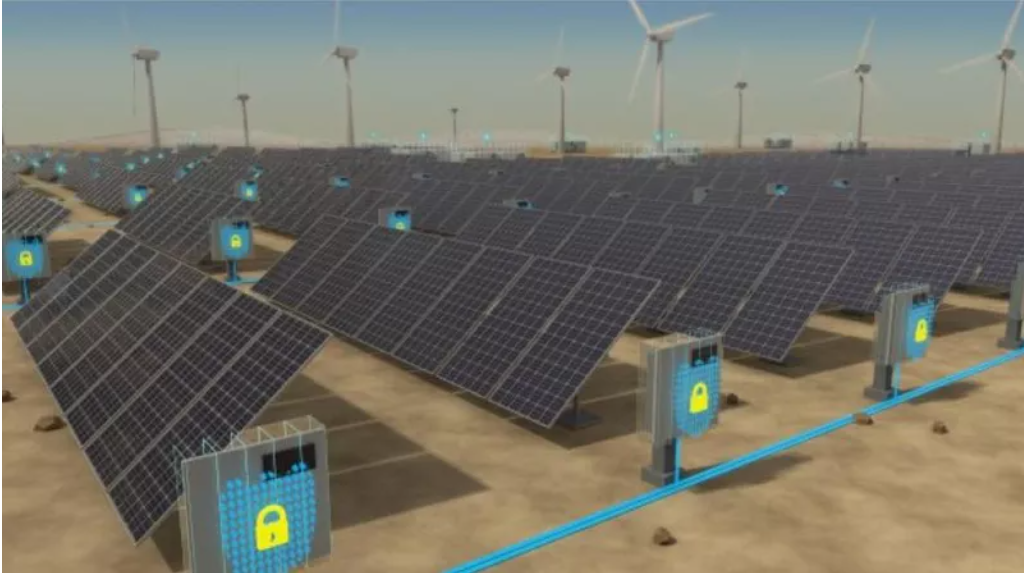
The team believes that microgrids — which are small, so-called power islands that can be used as power sources for services that provide healthcare, food and water during emergencies — are vulnerable to cyberattacks that could potentially be thwarted with HPCs.
 Source: KAUST
HPCs, which are registers within computers that can monitor events like how often a particular command is performed, can be customized, according to the KAUST team, to monitor commands occurring within inverters.
“HPCs were originally used for profiling purposes or to identify bottlenecks within code,” explained the researchers. “However, we have utilized HPCs to detect code patterns that indicate the execution of malicious code on our devices: specifically, the embedded controllers of solar inverters that convert the output of solar photovoltaic panels into usable power for consumers.”
According to the KAUST team, an extra layer of security was added to the custom-built HPCs in the form of time series classifiers, which are algorithms that associate possibly malicious command combinations with the time sequence of HPC firing occurrences.
An article detailing the HPCs, Time series-based detection and impact analysis of firmware attacks in microgrids, appears in the journal Energy Reports.