Researchers striving to make computer servers more climate friendly
Marie Donlon | July 08, 2021Researchers from the University of Copenhagen have improved upon an existing algorithm for reducing the resource consumption of global computer servers.
With the rise in internet usage, computer servers and data centers are depleting both energy and resources, consuming massive amounts of electricity and emitting levels of carbon dioxide that, when combined, reportedly rival emissions from global air traffic.
As such, the team from the University of Copenhagen has devised an algorithm for streamlining server workflows for saving both energy and resources, addressing how servers are overloaded by receiving more requests than they have the capacity for. Currently, systems tend to shift clients around several times to balance the distribution among servers of those watching Vimeo videos or Netflix films, for instance. Complicating matters is that billions of servers might be included within one system, leading to congestion and server malfunctions.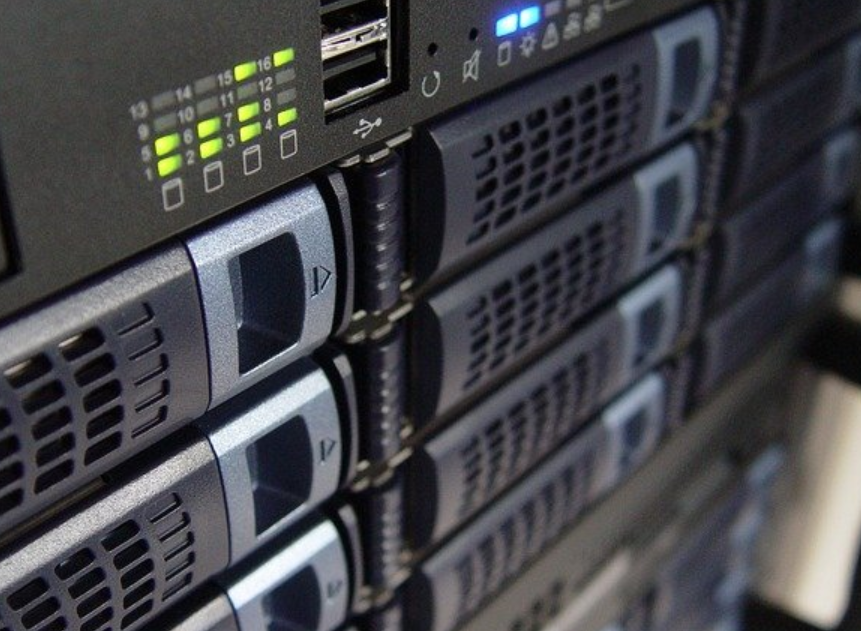
Previously, to ensure clients were distributed among servers so that no server carried more than 10% the burden of other servers, the older algorithm would handle updates by moving a client 100 times, for example. Conversely, the modified algorithm accomplishes this in just 10 moves, even with billions of clients and servers in one system, according to the researchers.
"We have found an algorithm that removes one of the major causes of overloaded servers once and for all. Our initial algorithm was a huge improvement over the way industry had been doing things, but this version is many times better and reduces resource usage to the greatest extent possible. Furthermore, it is free to use for all," said Professor Thorup of the University of Copenhagen's Department of Computer Science.
The new algorithm was discussed at the STOC 2021: Proceedings of the 53rd Annual ACM SIGACT Symposium on Theory of Computing in mid June.