Reducing road fatalities with 'Safe System' design
Marie Donlon | May 19, 2021According to a report from Johns Hopkins Bloomberg School of Public Health and the Institute of Transportation Engineers a “Safe System” approach to road safety that is based on design and engineering principles could potentially reduce the number of vehicle-related deaths in the U.S.
The Safe System design reportedly incorporates intuitive road systems to minimize the potential for mistakes made by drivers, pedestrians and cyclists and to minimize the severity of crashes should they occur.
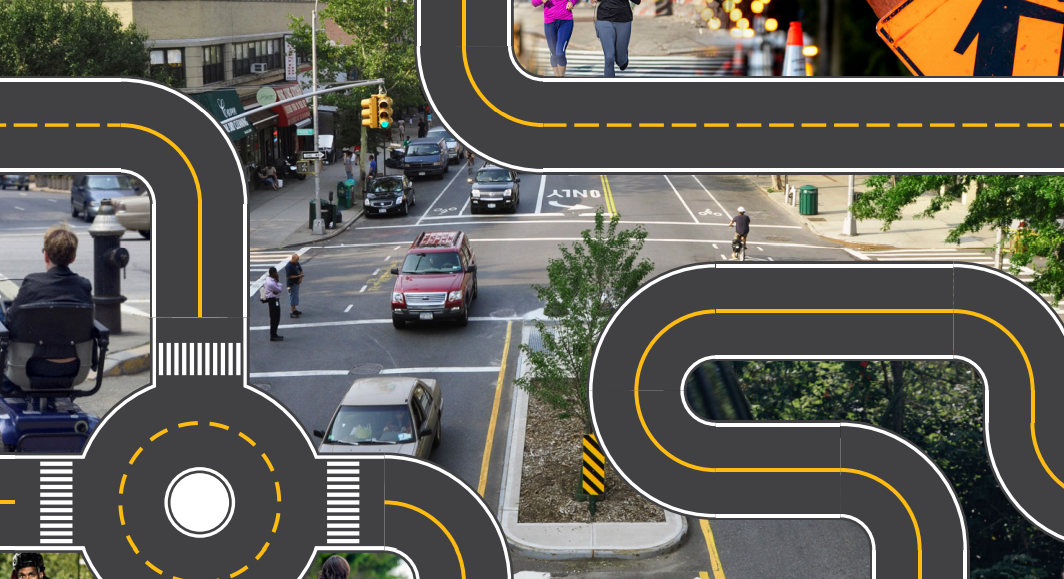 Source: Johns Hopkins Bloomberg School of Public Health and the Institute of Transportation Engineers
Design features of Safe System might include a combination of rumble strips, roundabouts and separated bike lanes, for instance. They also incorporate design alterations including lane reductions to slow vehicle speeds, giving drivers more time to react, flashing beacons for alerting motorists to pedestrians or cyclists and median barriers for reducing head-on collisions.
According to the report, the success of such designs — which have reportedly been implemented and reduced vehicle-related fatalities in countries like Australia (47%), New Zealand (48%), Spain (80%) and Sweden (67%) — is due to switching the responsibility from those using the road to the vehicle and road design.
With current road designs, the onus is on drivers, pedestrians and cyclists whereas the Safe System places the onus on the vehicle and road design.
"[N]ormal human lapses in judgment or diligence are expected, and roads are configured so that such errors do not lead to death or serious injury," the authors of the study wrote. "Even with a forgiving design, crashes will occur in a Safe System, so roads are designed to limit crash forces to survivable levels."
The findings are detailed in the report "Recommendations of the Safe System Consortium."