
Green hydrogen goes big in Brazil
S. Himmelstein | April 19, 2021Enegix Energy plans to build the world’s largest green hydrogen plant in northeast Brazil. The Base One facility will produce more than 600 million kg of green hydrogen annually from 3.4 GW of baseload renewable energy through a partnership with Italian wind turbine manufacturer Enerwind.
The project, being built in cooperation with the state government of Ceará, represents an investment of $5.4 billion and is expected to take three or four years to complete. The company plans to site Base One in a 1,200-acre area near the Pecém Industrial and Port Complex, a deep seaport with established infrastructure and access to the required quantities of water for the electrolysis systems.
In line with the company’s vision of a sustainable and clean energy future, the green hydrogen project has the potential to expand to over 100 GW and improve access to electric power services. Base One also offers scope to reduce annual carbon dioxide emissions by 10 million tons per year and would become the single largest carbon emission reduction project in the world.
 The strategic location for the renewable hydrogen project provides direct access to all major international markets via ocean freight. Source: Enegix Energy
“For us, hydrogen represents a version of the future we aspire to. A new way to power our lives without polluting and destroying what matters most, our home, the one we all share and must protect. It’s the catalyst for a new energy equality revolution that affords the chance to use this technology for good to address the plight of the billions of people without access to the basics; electricity, water and food who when left behind remain powerless to change their circumstances. A hydrogen economy is possible now, we must take the initiative and build it so that everyone can benefit from the universe's most abundant element,” said Wesley Cooke, founder and chief executive officer.



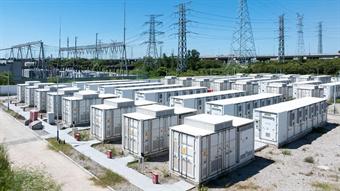
What is the opportunity cost in the carbon economy? How much vegetation-growing surface will be lost to the windmill bases or shaded by the structures? Does the value of the hydrogen outweigh the loss of photosynthetic carbon uptake, or the products of that which could be grown there? How much carbon will be emitted in the construction and operation of the wind generators, their support infrastructure, and the hydrogen infrastructure? What will be done with the waste when the blades are worn out and must be removed for disposal?
These are questions seldom considered in the calculations used to claim that a "green" project will prevent x amount of carbon emissions. It's all very nice to want to "save the planet," but responsible stewardship requires some thought to avoid being surprised by unpleasant unintended consequences.
All projects must be evaluated from when the material comes from the earth, while being used on this earth and when the material goes back to the earth. If the solar panels are placed on agriculture land, they can be elevated and spaced such that crops can still be produced beneath them. The best location is on non agriculture land. Likewise, with the wind generators. Fuel cell power that uses hydrogen will replace battery powered vehicles in ten years.