Material shortages, fluctuating costs significant concerns for construction contractors
Amy J. Born | January 04, 2021New data from the U.S. Chamber of Commerce Commercial Construction Index (Index) shows that more contractors are confronted with a shortage of building materials, due to the pandemic. The percentage of contractors identifying the lack of available construction products and materials as a consequence of the pandemic rose significantly from 15% in the third quarter to 41% in the fourth quarter of 2020.
The Chamber also reported that 71% of commercial construction contractors have encountered at least one material shortage. That number is up from 54% in Q3.
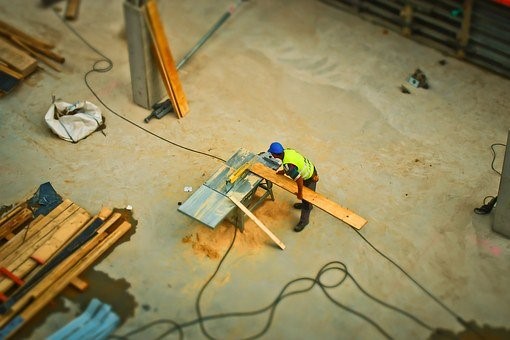 Source: Pixabay
Wood and lumber, in higher demand from the recent residential construction boom, is the most-reported material shortage, with 31% of commercial construction contractors reporting a lumber shortage in Q4 compared to 11% in Q3.
The number of contractors identifying the lumber shortage as having a moderate-to-high level of impact on their business rose from 75% to 89% in that time frame among those reporting a shortage.
Still, contractor confidence has increased slightly. “The pandemic has exacerbated issues contractors were already facing in availability and cost of materials from tariffs and a shortage of skilled workers,” said U.S. Chamber of Commerce executive vice president and chief policy officer Neil Bradley. “But there’s reason for optimism. More than one in three contractors plan to hire more workers in the next six months, and most see sufficient new business in the coming year.”
The overall index score rose slightly, from 57 in Q3 to 60 in Q4, though it is still well below the pre-pandemic Q1 score of 74. The index’s main indicators rose as well. Contractor confidence in new opportunities in 2021 increased one point, revenue expectations went up four points and backlog rose two points.
Despite the optimism in the commercial construction industry, the index shows that high material costs and fluctuations in material costs are a concern. Thirty-six percent of contractors, up from 30% in Q3, expect to pay more for materials, while 74%, up from 63% in Q3 indicated that cost fluctuations have a moderate-to-high impact on their business, with wood and lumber being the greatest concern. Steel and aluminum tariffs are expected to have a high degree of impact on the businesses of 24% of contractors over the next three years, which is down from 29% in Q1 and from 40% in Q4 2019.
“The industry is a positive indicator of where the rest of the economy is going, but it’s likely confidence won’t fully return until companies and workers have the confidence to get back to work safely,” Bradley added. “That’s why the U.S. Chamber is urging lawmakers to come together before the end of the year on additional pandemic relief.
Other findings include the challenges of a skilled labor shortage, contractor hiring plans, project delays due to COVID-19 and concerns for worker health and safety.
The full report is available at U.S. Chamber of Commerce Commercial Construction Index — 2020 Q4.