Study: Labs can lower plastic waste using autoclaving
Siobhan Treacy | October 15, 2020Researchers Dr. Amy Pickering and Dr. Joana Alves created a new method to help lower the waste produced in laboratory environments by replacing single-use plastics with reusable equipment when possible and decontaminating and reusing plastic equipment when needed.
 Source: Unsplash
A typical microbiology lab uses mostly disposable plastic that is often not recycled due to biological contamination. In 2014, 5.5 million tons of plastic waste were generated in research labs. As such, the team devised a scheme that focused on sustainability and moving labs away from single-use plastics, opting for reusable wooden and metal items instead of plastic at all possible opportunities.
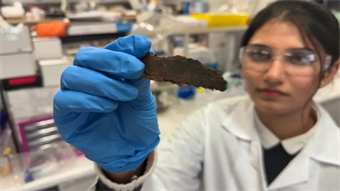
When there were no alternatives available, the team focused on reusing plastic equipment rather than throwing it away. To sterilize the plastic equipment the team used autoclaving, a process of chemically decontaminating plastic tubes before applying a second level of decontamination under heat and pressure.
To determine the success of their new method, the researchers spent four weeks documenting the amount of plastic waste produced in typical laboratory conditions. They then measured the new amount of waste produced using their method to reduce plastic waste.
The team found that 1,670 tubes and 1,300 loops were saved with an overall 43 kg reduction in waste over a four week period. They were surprised to find that some plastics are very resilient to autoclaving and can be used many times.
This study was published in Access Microbiology.