Hach EZ series analyzers simplify water testing
May 15, 2020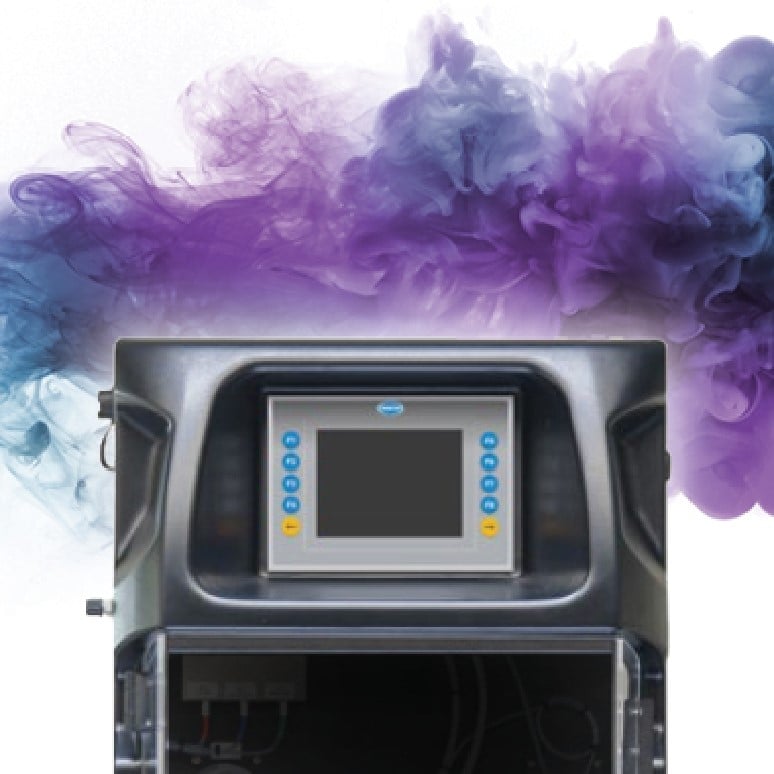 Figure 1. The Hach EZ series analyzer. Source: Hach
The worldwide demand for clean water consumption continues to rise, driven mainly by population growth, urbanization and industrialization. Numerous environmental water quality regulations have therefore been put into place by government and industry to govern the cleanliness of supply and wastewater to ensure safety, improve product and process quality, and mitigate risks to workers and consumers. Managers and operators of water treatment plants and industrial sites are therefore under increased pressure to comply with these stringent environmental regulations through improved water testing. This article reviews the various methods by which water testing is accomplished and highlights how the Hach® EZ series online analyzers can simplify industrial and environmental water analysis.
Sources
The various sources of water pollution include human and animal waste, agricultural runoff, industrial chemicals and materials, and other impurities and elements that may have a natural presence in soils.
It is necessary to measure and properly identify the pollutants so that the correct type and amount of water treatment can be prescribed.
Test methods
These pollutants are detected and measured using a variety of test methods and instruments, including colorimetric analysis, which determines the concentration of a chemical element or chemical compound in a solution with the aid of a color reagent. It is used to screen for common drinking water pollutants such as iron, manganese and aluminum, industrial pollutants such as zinc and copper as well as plant nutrients such as phosphate, nitrate and ammonia in the soil.
Additionally, voltammetry is an electrochemical method that determines concentrations of heavy metals and other electrochemically active substances in surface water, such as cadmium, lead, mercury or arsenic that may be present in a water sample. Likewise, ion-selective electrodes (ISEs) are used in analytical chemistry and biochemical research to measure the concentration of a specific ion in an aqueous solution. For example, in water treatment, an ISE can measure the amount of fluoride in drinking water.
Meanwhile, chemiluminescence involves the emission of light as the result of an enzymatic reaction. This enzymatic reaction measures the concentration of adenosine triphosphate (ATP), which is a direct indicator of bacterial presence and activity. Finally, titration involves the addition of a reagent with a precise composition and concentration to another solution (or analyte) of unknown concentration. Knowing how many reagent molecules can react with certain molecules in the analyte (such as impurities) determines the concentration of the impurities in the analyte; alkalinity and hardness are an example.
These and other methods and analyses are needed to identify pollutants and adjust the water treatment process to ensure the safety of the water supply for consumption and to minimize or eliminate the potential for environmental damage by wastewater. Although it is desirable to continuously monitor water quality parameters, these analyses have traditionally been performed in laboratories by trained technicians. The potential for delays and additional costs to have water samples laboratory tested have driven the need for a simplified, yet reliable means of measuring these water quality parameters in the field.
A single platform
The Hach EZ series analyzers address this need by providing five measurement technologies (colorimetry, titration, ion-selective electrode, voltammetry and chemiluminescence) on a single analyzer platform, allowing for a wide selection of measurement ranges and applications (Figure 1). These analyzers provide continuous monitoring and can be easily integrated into existing measurement and process control systems through a variety of analog and digital communication interfaces. This can allow operators the ability to continuously adjust water treatment process parameters to correctly and efficiently address changing contaminant levels, thereby reducing unnecessary chemical dosing or power usage while keeping water treatment facilities in compliance.
Furthermore, they come in the same rugged mainframe with a compact footprint, enabling portability for field measurements. Their common industrial PC user interfaces are easy to use and intuitive, reducing the need to train on the different instruments. The analyzers also have common components and spare parts, requiring fewer parts that must be kept in inventory for maintenance. The EZ series sample pre-conditioning units, controlled by the analyzer, ensure uniform sample conditions so that analytical values can be compared over time and ensure no internal damage to the analyzer should there be particulate material in the sample presented to the analyzer.
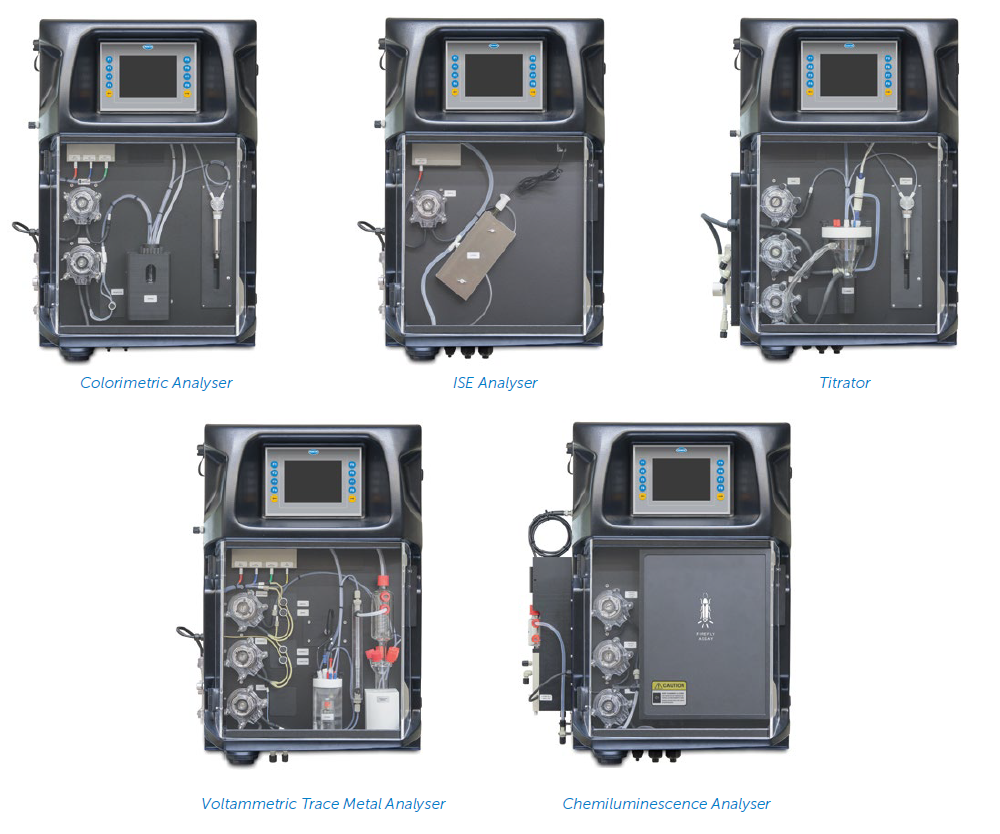 Figure 2: Models of Hach EZ series analyzers. Source: Hach
Applications
Applications for the Hach EZ series analyzers are numerous in the water quality testing and treatment industry, including monitoring microbial ATP for the assessment of bacterial and pathogen contamination (for example, to prevent biofouling in cooling towers); controlling primary disinfection and disinfection byproducts (DBPs); detecting trace metals in source water, the distribution network or in wastewater effluent post chemical precipitation and clarification; determining organic carbon in surface water intake cost-effectively; monitoring corrosion, scaling and fouling indicators in feed water; controlling process efficiency and critical process parameters in anaerobic digestion; and detecting acute and chronic toxicity in wastewater streams to protect vulnerable microorganisms in a wastewater treatment plant.
About Hach
Hach’s broad line of instrumentation and chemistries has been carefully crafted for more than 80 years to make water analysis better – faster, simpler, greener and more informative – to get it right the first time, every time. Hach’s experts understand customer applications and they are committed to helping customer’s discover optimal solutions for their specific needs. Since their founding in 1933, Hach has led the industry in developing innovative solutions to help manage water more efficiently and accurately.
Today, Hach products can be found across the entire globe and serve industries ranging from municipal drinking and wastewater to food, beverage and power, and every other category that touches water. Hach is equipped with the support and resources to provide customers with the breakthrough products and expert guidance they have come to expect. More information about the Hach EZ series analyzers is available on the Hach website or by speaking with a Hach technical representative at 1-800-227-4224.