A look back on the decade’s biggest engineering management trends
Jonathan Fuller | December 20, 2019The 2010s will end in a few short weeks on December 31. As the decade closes, take a look back at its biggest emerging engineering management trends — from degrees and data to responsibility and remote teams.
The rise of the engineering management degree
Engineering management degrees are on the rise, and are considerably more widespread than they were 10 years ago. In engineering and most other disciplines, the concept of the “accidental manager” is a common trope: a strong individual performer is promoted to a people manager role and does not (yet) have the skills to perform well in this role. Higher degrees in engineering management — such as those offered by U.S. universities like Cornell, Duke and Dartmouth — focus on creating an intentional manager, and are growing in number and popularity.
A 2018 ASME article purports that this growth may be driven by the changing nature of engineering management. In short, intensive engineering management degrees can help a candidate gain the skills to make the leap from solving technical problems as an engineer to tackling technical, marketing, technological and organizational problems — often all at once — as a manager.
Top-to-bottom responsibility
The nature of responsibility in engineering management is changing rapidly. Product designs in electronics, computing, artificial intelligence, automotive and aerospace are now so complex that a single point of responsibility for a system or part of a system is next to impossible. With no single sign-off on a design or product, responsibility for product safety and utility is now spread across entire departments or organizations. The effects of disavowing a problem by claiming it is another engineer’s or department’s responsibility are becoming more visible and damaging to an enterprise’s products and reputation.
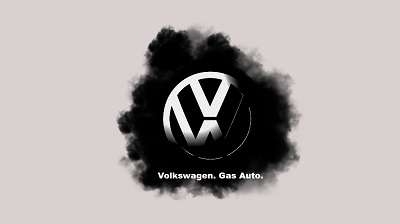 Figure 1: A parody brand image changing Volkswagen’s “Das Auto” slogan to “Gas Auto” for its 2015 emissions tampering scandal. The ethical failure had significant repercussions for the company and resulted in significant consumer pushback. Source: Filip Frid / CC BY-SA 4.0Engineering management’s focus on responsibility extends to the outside world that constantly views their organization. Companies in all industries are increasingly judged not only on financial success, but also on their ability to minimize environmental and social impacts. Modern engineering firms, like all companies, are expected to carry out social and environmental responsibility and produce ethically.
German automotive manufacturer Volkswagen’s emissions scandal, which began in September 2015 and is ongoing today, is one of the biggest engineering ethical failures in history and illustrates the consequences of environmental and ethical irresponsibility. Volkswagen engineers intentionally programmed the company’s “clean diesel” vehicles to activate their emissions control during testing to meet the U.S. Clean Air Act standards; in non-testing environments, the vehicles’ nitrogen oxide emissions were up to 35 times above the U.S. standard. The scandal cost the company tens of billions of dollars in fines, buybacks and environmental remediation, and engineers and executives faced significant legal charges and fines for their involvement.
Be sure to read Part 2 of this article, which covers management of remote teams, the changing nature of engineering design work and more.