Bacterial synthesis of biodegradable plastics
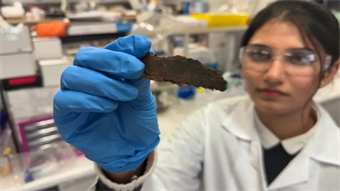
S. Himmelstein | May 01, 2019A microbial route to the production of industrially valuable and biodegradable plastics relies on food wastes as low-cost carbon sources. The process yields polyhydroxybutyrates (PHB), biodegradable polyesters that can 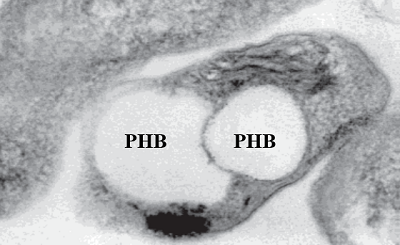 Polyhydroxybutyrate (PHB) grown by TIE-1 cells using only light, carbon dioxide and soluble iron. Source: Washington University in St. Louissubstitute for petroleum-derived plastics in different medical applications. This bioplastic manufacturing method is not widely used due to high feedstock costs, spurring researchers from Washington University in St. Louis to advance a photoautotrophic route based on bacterial consumption of carbon dioxide, solar energy and iron-donated electrons for bioplastic production.
The research published in the Journal of Industrial Microbiology and Biotechnology demonstrated the ability of the photoautotroph, Rhodopseudomonas palustris TIE-1, to produce PHB intracellularly under different growth conditions and with different electron donors. The highest PHB electron yield was documented using a poised electrode as the source of electrons, and the bacterium was shown to yield the highest specific PHB productivity using iron(II) as an electron donor for photoautotrophy.
This sustainable PHB bioproduction technology could be of value at sites where organic carbon sources are limited while light, carbon dioxide, iron and electricity inputs are abundant.