Portable Filters as Weapons Against Fine Particulate Pollution
S. Himmelstein | November 19, 2018Fine particulate matter takes a toll on human health: more than 88,000 deaths occur annually in the U.S. due to such air pollution. Researchers recently determined that an inexpensive portable air purifier used inside a home is sufficient to remove a good portion of these particulates from indoor air and safeguard the health of at-risk individuals.
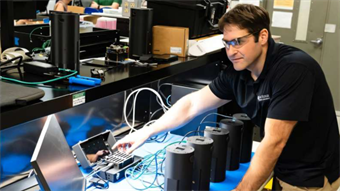
Since the nation's population spends nearly 90% of its time indoors, researchers focused on exposure to pollutants while people are inside their own homes. Forty subjects residing in low-income senior housing in Detroit participated in the study, which included different three-day scenarios: a sham air filter (an air filtration  Source: Michigan Medicinesystem without a filter), a low-efficiency air purifier system and a high-efficiency air purifier system. The team focused on reduced air pollutant exposure and lowered blood pressure over a three-day period as an indication of the portable air filters' potential to be cardioprotective.
Fine particulate matter exposure was reduced by 40% and systolic blood pressure was reduced by an average of 3.4 mm Hg (normal systolic blood pressure is considered less than 120 mm Hg; stage 1 hypertension begins at 130 and stage 2 at 140).
Additional studies are needed to determine whether personal reductions in fine particulate matter exposure will lead to fewer heart attacks and other negative outcomes associated with high blood pressure. However, this trial showed that short-term use of portable air filtration systems reduced personal fine particulate exposure and systolic blood pressure among older adults living in a typical U.S. urban location. The use of these relatively inexpensive systems is potentially cardioprotective against particulate exposure.
Scientists from Michigan State University, University of Michigan and Community Health Nursing contributed to this research, which is published in JAMA Internal Medicine.