
Choosing the Right Partner for Fixed Gas Detection
October 02, 2018Sponsored content
Undetected hazardous gases represent one of the most dangerous risks for process and plant engineers, especially in the oil and gas and chemical industries where hydrocarbon-based fluids are a daily safety challenge.
In order to ease this challenge, innovations in gas detectors have emerged to meet the demands of governmental regulations and environmental safety and security standards that have been implemented worldwide in applications such as water treatment, chemicals, mining, construction, power and emergency services. These technologies have also been implemented in order to avoid the consequences of an accident, which can have a devastating impact on human life as well as damage to equipment or facilities.
As a result of these new regulations and standards, the gas detection equipment market is expected to reach a value of $5.5 billion by 2026 with a compound annual growth rate (CAGR) of 4.7 percent from 2018 through the forecast period, according to Transparency Market Research.
Fixed Gas Detectors
Fixed gas monitors are generally put in locations in a plant or facility to detect catastrophic leaks or to offer an early warning of a system gas leak. This differs from portable gas detectors that are designed to protect personnel working in a given area or monitoring a certain location.
However, fixed gas detectors come with challenges including frequent sensor replacements, installation and maintenance issues and integration issues with plant control systems.
Therefore, it is extremely important that when choosing fixed gas detectors that industrial customers choose a partner capable of applying science and technology to solve the toughest gas detection problems with seamless service and a global reach.
Choosing the Right Partner
No single fixed gas detection technology is right for all applications. It depends on the surrounding environment, the nature of the leak source, the differing chemistry of gases and the density of the gas to determine where it might collect inside a building, or how it will travel in air currents.
This requires a partner that can customize fixed gas detectors to match the needs of the application being served, which requires the right knowledge of the industry, the sensor technology and a wide range of products and system solutions across multiple platforms, standards and regulations.
The right provider must have the proven technology in order to avoid replacing parts every few years or having the wrong part used in a particular application. The right technology prowess can come from experience in the gas detection market alongside knowledgeable engineers with a track record of working with customers to ensure that they use the right product and get the support they need for their industrial application.
At the same time, the partner must have a global reach in order to service multiple factories in different locations around the world. This includes sales consultation and application engineering resources to help the customer design the right solution to solve their problem the first time.
 Figure 1. The GD10 series can be used in industrial markets as an effective response to detection of gas hazards. Source: 3M Gas & Flame Detection3M Gas & Flame Detection meets these needs by offering a wide range of products for the industrial market, including a handful of general purpose gas detectors and hazardous area gas detectors for refineries, drilling and production platforms, processing and chemical and storage plants.
One such gas detector is the GD10 series that provides an effective response to the detection of gas hazards in a wide range of industrial environments, including boiler plant rooms or offshore petrochemical installations. These infrared gas detectors use solid-state infrared sources and are designed for rapid responsiveness and stability. Meanwhile, the Meridian Universal Gas Detector is a next-generation gas detector that supports up to three combustible and toxic gas sensors. 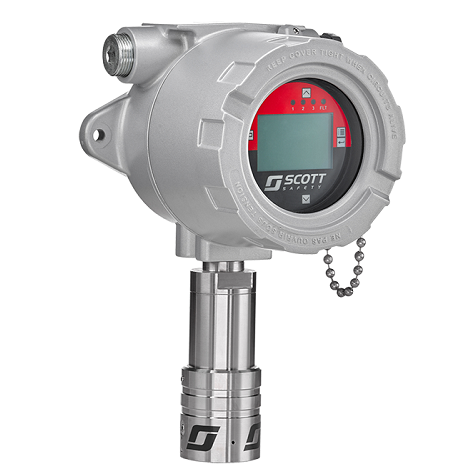 Figure 2. The Meridian Universal Gas Detector helps with installation and maintenance costs in industrial plants. Source: 3M Gas & Flame DetectionThe fixed gas detector is compatible with multiple protocols such as 4 to 20 mA and Modbus, as well as options for WiredHart.
3M Gas & Flame Detection is a company that is well known in the market — protecting thousands of people every day from environmental hazards — with decades of experience offering products that can be trusted to do the job in any industrial market, whether it be smoke, toxic fumes, combustible gas or the presence of other contaminants. With offices in North America, the U.K., China, France, Australia and many more, 3M Gas & Flame Detection is a global company that offers solutions for multiple facilities across different continents.
To learn more about their line of gas detectors, visit 3M Gas & Flame Detection.


https://coachingwith
https://infeeds.com/
https://wvaquavit.ma
https://about.me/a.w
https://www.vingle.n