Novel Microbial Fuel Cell Converts Methane to Electricity
Nancy Ordman | May 22, 2017A new method for producing electricity directly from methane could greatly reduce the amount of methane leakage from pipelines. The method relies on microbial fuel cells located near methane gas wellheads.
Previous research on using microbes to convert methane to electricity had proved unsuccessful. Although 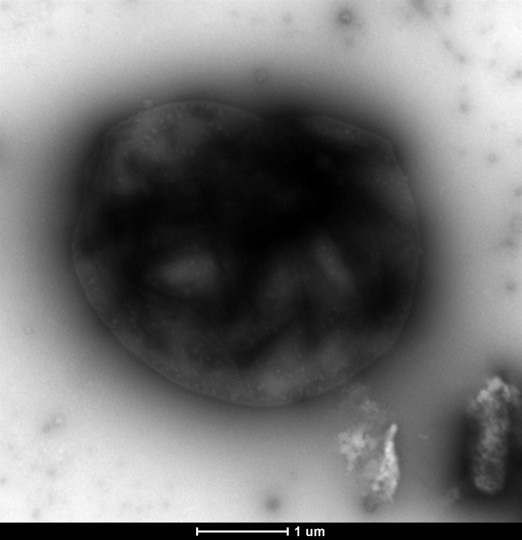 Micrograph of a synthetic bacterium that manufactures the chemical needed to capture electrons. Source: Thomas K. Wood / Penn Statemicrobial fuel cells can run on many different kinds of organic material, none work with methane. Bacteria that run on methane live in the depths of oceans and cannot be cultivated in a laboratory.
An international team based at Penn State University developed a clever system that uses a “consortium” of bacteria to consume methane and create electricity. They started by studying the DNA of a bacterium from the depths of the Black Sea. This bacterium produces an energy enzyme that is known to capture methane.
Next, the researchers produced a bacterial strain like the one from the Black Sea that would grow in the lab. These bacteria use methane to produce acetate, electrons and the methane-capturing energy enzyme. By mixing in bacteria from an anaerobic digester, the team had a method for transporting the electrons to an electrode.
This electron shuttle proved to be the key to the fuel cell design. The researchers added Geobacter, a common bacterium, which ate the acetate and increased electron flow. They tested a fuel cell made of the synthetic bacteria and Geobacter, without sludge, and obtained no electricity.
"This process makes a lot of electricity for a microbial fuel cell," said lead researcher Thomas Wood of Penn State’s chemical engineering department. The team has filed provisional patents for the process.