ASTM Standard Promotes Sustainable Manufacturing Practices
Engineering360 News Desk | June 01, 2016A new ASTM standard is designed to help manufacturers incorporate more sustainable practices into production.
The standard (E3012, Guide for Characterizing Environmental Aspects of Manufacturing Process) provides structure and formalism to ensure consistency in characterizing sustainable manufacturing processes. From there, computers can provide information and analytics on production and performance.
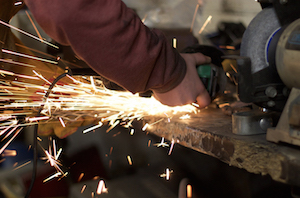 The standard is intended to provide structure and formalism to ensure consistency in characterizing sustainable manufacturing processes. Image credit: Pixabay.According to ASTM member Kevin Lyons, group leader, National Institute of Standards and Technology, the standard will help businesses transition into science-based modeling, decision making and production.
“This standard furthers measurement science to quantify manufacturing practices to benefit industrial competitiveness,” says Lyons. “Benefits for using the standard will include reduced operational costs, improved prediction of product costs, improved schedule, enhanced manufacturing resources, improved quality control and incorporation of best practices.”
In addition to manufacturers, primary users of the new standard will include software suppliers that provide analysis and modeling solutions.
The subcommittee that developed E3012 encourages manufacturers, particularly small and medium-sized businesses, to demonstrate and report on their use of the standard, with the goal of ensuring high-quality revisions in the future.