Mix smarter, finish better
October 01, 2026Executive summary
Manufacturers today face increasing pressure to improve finish quality, reduce operating costs, minimize environmental impact and increase production throughput. These challenges are driving growing adoption of plural-component (2K) coating technologies throughout industrial finishing operations.
Compared to traditional single-component coatings, 2K coatings offer significant advantages, including improved durability, enhanced chemical resistance, faster curing, reduced volatile organic compound (VOC) emissions and longer service life of finished products. However, achieving these benefits depends on precise mixing and process control. Improper mixing ratios, poor pot life management and manual mixing errors can quickly eliminate the performance advantages 2K coatings are designed to deliver.
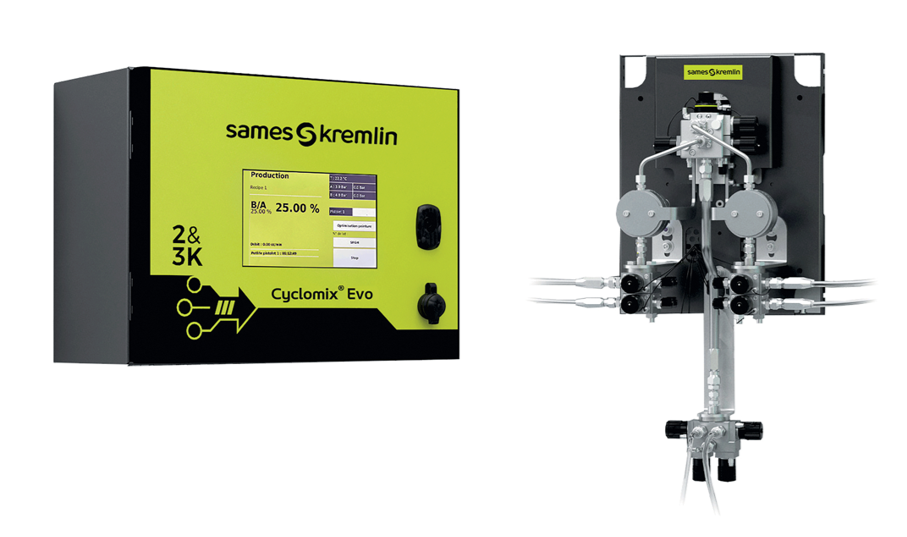 Figure 1: Cyclomix Evo. Source: Sames North America
Automated proportioning and mixing systems help manufacturers maximize the benefits of modern coating technologies by improving consistency, reducing waste, minimizing rework and providing valuable production data. This paper explores the business and operational advantages of automated 2K mixing for industrial finishing operations.
The evolution of industrial finishing
Industrial coating technologies have evolved significantly over the last century. Advances in coating chemistry have driven corresponding improvements in application equipment and process controls. As manufacturers demand better durability, improved appearance, increased efficiency and faster production throughput, coating systems have become more sophisticated.
Today, production environments across agriculture, construction equipment, transportation, fabricated metals, industrial machinery and general manufacturing increasingly rely on higher-performance coating systems to protect products while enhancing appearance and long-term durability.
Why manufacturers are moving toward 2K coatings
Two-component coatings are becoming the preferred choice for many industrial applications because they provide measurable performance advantages over conventional coating systems.
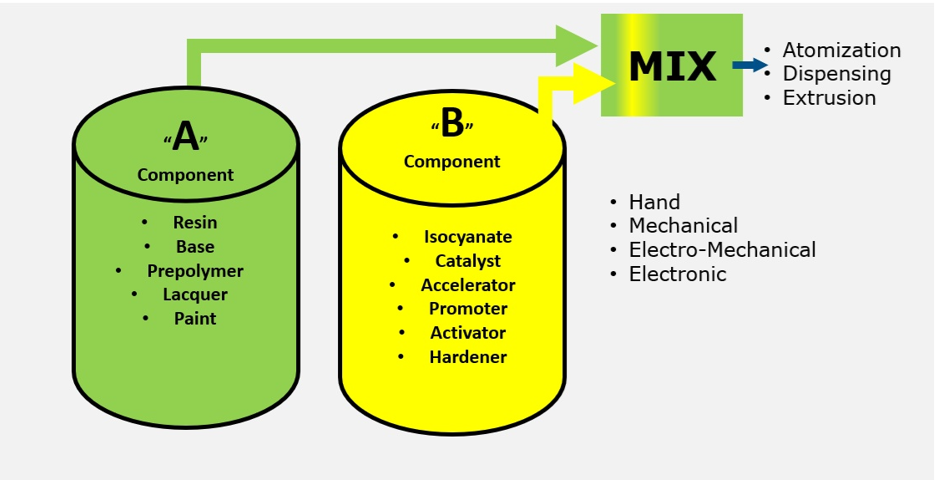 Figure 2: Atomization, dispensing and extrusion. Source: Sames North America
Key benefits include:
Improved durability
2K coatings provide stronger adhesion, improved hardness and superior resistance to abrasion and environmental exposure. These characteristics are particularly valuable in harsh operating environments where products are exposed to chemicals, weather, impact and frequent use.
Enhanced chemical resistance
Properly mixed plural-component coatings offer greater resistance to petroleum products, salt, atmospheric contaminants and aggressive chemicals that can degrade conventional finishes.
Shorter cure times
The chemical reaction that occurs when coating components are mixed allows many 2K systems to cure more rapidly, enabling faster production throughput and reduced work-in-process inventory.
Lower energy consumption
Many modern 2K coatings require lower curing temperatures or, in some applications, eliminate the need for high-temperature ovens entirely. This can significantly reduce energy consumption and operating expenses.
Reduced environmental impact
Higher solids content and lower VOC emissions help manufacturers comply with increasingly stringent environmental regulations while improving workplace safety.
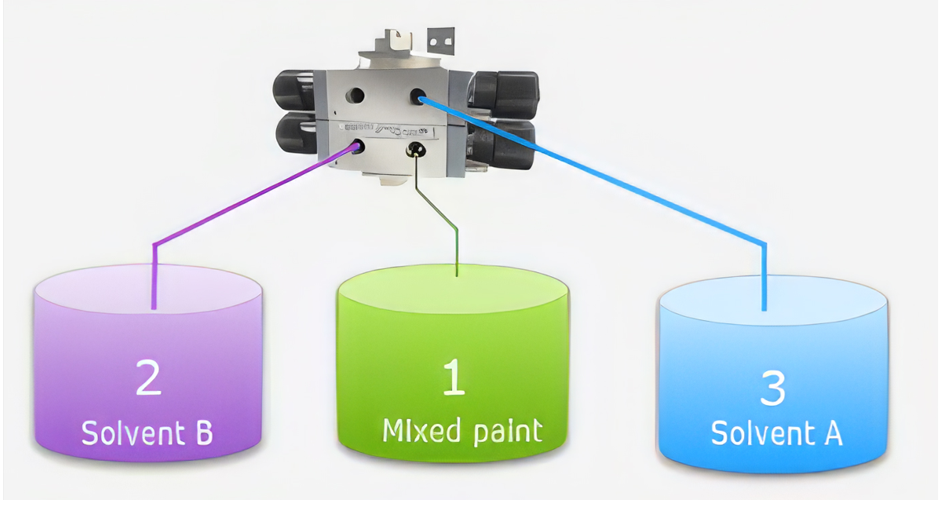 Figure 3: Waste management. Source: Sames North America
Understanding the challenge of 2K coatings
While 2K coatings provide numerous advantages, they also introduce process control challenges that manufacturers must address.
When the base component and catalyst are combined, a chemical reaction begins immediately. This reaction increases viscosity over time and eventually leads to full curing. Once mixing occurs, the reaction cannot be stopped or reversed.
The usable period between mixing and application is known as pot life. During this window, coating materials must be applied correctly to achieve optimal performance. As viscosity increases, application quality declines and the risk of product defects increases.
If mixed material remains in hoses, valves, guns or fluid passages beyond its usable pot life, it can create costly maintenance issues and unplanned downtime.
The cost of improper mixing
Maintaining the proper ratio between coating components is critical to achieving intended performance.
Even small deviations from specified ratios can result in:
- Inconsistent color or gloss
- Poor hardness development
- Incomplete curing
- Reduced chemical resistance
- Surface defects
- Premature coating failure
- Increased warranty claims
- Labor-intensive rework
For manufacturers operating in highly competitive industries, these issues can significantly impact profitability and customer satisfaction.
The hidden costs of manual mixing
Many facilities continue to rely on manual or batch mixing techniques. While these methods may appear economical initially, they often introduce hidden costs throughout the manufacturing process.
Common challenges include:
- Human error
- Over-mixing materials
- Material waste at the end of production runs
- Inconsistent color matching
- Frequent cleanup requirements
- Additional labor requirements
- Production interruptions
- Variability between operators
These inefficiencies become increasingly expensive as production volumes grow and quality expectations rise.
The benefits of automated proportioning technology
Automated proportioning equipment removes many of the variables associated with manual mixing by accurately controlling the ratio of individual coating components throughout the production process.
Modern systems provide:
- Electronic ratio control
- Continuous ratio monitoring
- High mixing accuracy
- Variable ratio capabilities
- Automated dosing adjustment
- Productions data collection
- Material tracking
- Process traceability
By ensuring consistent mixing performance, manufacturers can reduce quality issues while improving process stability.
Reducing paint waste and solvent consumption
Paint waste remains one of the largest controllable expenses in many finishing operations.
Advanced proportioning systems help minimize waste through automatic paint management functions, controlled flushing routines, optimized color change processes, solvent management programs and waste separation capabilities.
The presentation notes that recovering even a small percentage of paint consumption can generate significant annual savings. Automated systems also help reduce solvent usage during color changes and cleaning cycles, lowering both material costs and environmental impact.
Data-driven finishing operations
As manufacturers continue their digital transformation initiatives, coating operations can no longer operate as isolated production processes.
Modern automated mixing systems can provide detailed process information including:
- Paint consumption
- Solvent consumption
- Recipe tracking
- Production history
- Maintenance indicators
- Job traceability
- Equipment status monitoring
- Communication with factory automation systems
This visibility enables manufacturers to make informed decisions, improve process consistency and identify opportunities for continuous improvement.
Evaluating return on investment
Organizations considering automation should evaluate both direct and indirect savings opportunities.
Potential benefits include:
Material savings
- Reduced paint waste
- Reduced solvent consumption
- Better transfer efficiency
Labor savings
- Less manual mixing
- Faster color changes
- Reduced cleanup requirements
Quality improvements
- Fewer defects
- Reduced rework
- Improved consistency
Energy savings
- Lower cure temperatures
- Reduced oven utilization
Environmental benefits
- Reduced VOC emissions
- Lower hazardous waste generation
Production gains
- Higher throughput
- Improved uptime
- Greater process reliability
Conclusion
As manufacturers seek to improve efficiency while producing higher-quality finishes, automated 2K proportioning and mixing technologies offer a compelling path forward.
By improving mixing accuracy, controlling material usage, reducing waste, enhancing traceability and minimizing production variability, automated systems help manufacturers fully realize the performance benefits of modern coating technologies.
For organizations evaluating opportunities to improve quality, lower operating costs, support sustainability initiatives, and increase manufacturing productivity, automated 2K mixing can provide measurable returns across the entire finishing operation.
About Sames
Sames provides complete industrial finishing solutions including spray application equipment, plural-component proportioning systems, paint circulation systems, automation technologies and integrated process expertise. Our solutions help manufacturers bond, protect and beautify products while improving efficiency, sustainability and profitability.