How vertical lift modules are elevating critical warehouse operations
October 06, 2025Sponsored Content
Weighing the benefits of a vertical lift module (VLM) for long-term operational investment can be a daunting task. Warehouse operations are evolving constantly, and the pressure to do more with less has never been greater; especially for warehouse managers tasked with embracing automation.
But where does one start when considering if a VLM is the right fit for an application? It is crucial to understand what a VLM is, how it works, what it stores and how it integrates into a larger warehouse automation strategy.
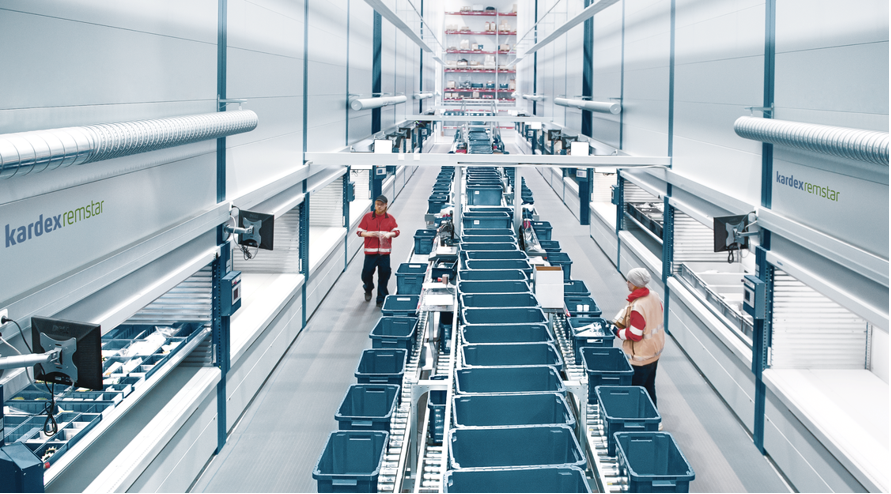 Figure 1. Comprehensive automated storage systems should integrate seamlessly with the systems and tools already in place. Source: Kardex
What is a vertical lift module?
A VLM is an automated high-density storage cabinet that delivers stored items directly to an operator in just a few seconds. It can be thought of as a giant intelligent vending machine for a warehouse. The VLM is designed to be modular in height so it can store goods up to the ceiling of the storage area, with the design goal being to maximize vertical storage space. These units average a height of anywhere between 2 and 18 ft, but can reach up to 98 ft tall.
Most VLMs utilize the same storage concept. Inside the unit, trays or bins are stored on shelves in the front and rear. In the center, an inserter extractor operates in an elevator-like shaft, automatically locating and retrieving the requested tray for the operator.
When an operator requests an item from the VLM, this can happen via a touchscreen, a barcode scan or an integrated software system on a computer or mobile device. Once located, the extractor retrieves the tray and delivers it to the picking window. The window opens at waist height, and the operator is directed to the exact location within the tray using a pick-to-light LED indicator detailing the location, quantity and SKU number of the item.
VLMs are almost always paired with an inventory management system (IMS), which automatically updates stock levels, tracks every item movement and suggests re-slotting items to improve efficiency and access times. For operations with thousands of SKUs, this level of inventory control is a massive upgrade over traditional manual storage methods. The VLMs come with the flexibility to be paired with an IMS already in place, or can come pre-programmed with Kardex’s customized IMS for a full end-to-end solution.
Fixed versus dynamic storing options
Some advanced VLMs, such as the Kardex Shuttle Vertical Lift Module (VLM), offer the flexibility to choose between fixed storage locations and dynamic storage locations to best fit certain operational needs. This versatility allows warehouses to balance fast access to high-demand items with maximum storage density, improving both productivity and space utilization.
With fixed storage, trays are assigned a dedicated, permanent location within the VLM. This approach is ideal to keep fast-moving SKUs consistently stored near the access opening for quicker picking and reduced operator travel time. By prioritizing accessibility, fixed storage helps streamline workflows for frequently ordered or high-priority items.
Dynamic storage locations, on the other hand, use an integrated height sensor at the back of the access opening to automatically measure the height of every tray each time it is stored in the machine. The VLM then places the tray in the smallest available space, achieving the highest storage density possible. Kardex Shuttle VLMs can store trays as close as one inch apart to optimize every inch of vertical space inside the unit.
For example, if the tallest item on a tray measures 6.2 inches, the VLM stores the tray in a 7-inch space. Once that item is picked and the tallest remaining product measures 3.5 inches, the system automatically relocates the tray to a 4-inch space. This continuous dynamic optimization ensures inventory is always stored in the most space-efficient way possible while still allowing for strategic positioning of high-demand items when needed.
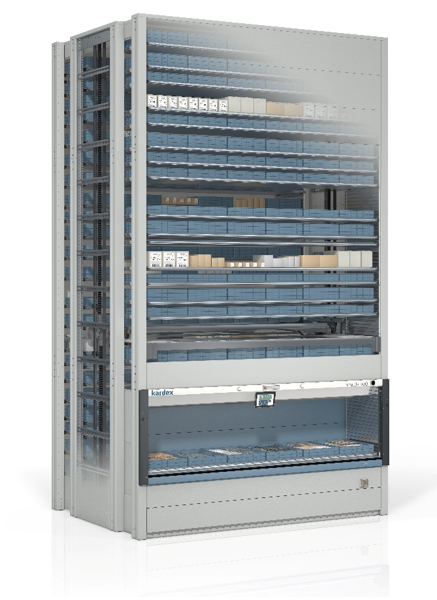 Figure 2. Kardex Shuttle vertical lift module. Source: Kardex
What does a VLM store?
VLMs offer the benefit of versatility in the variety of parts, tools, bins, trays, heavy components and mixed SKUs it can store. Standard trays store inventory ranging anywhere from 4 to 13 ft wide and 2 to 3 ft deep, with a maximum product height of over 28 inches and a maximum weight of 2,200 lbs per tray. With the right solution, a VLM can even store temperature-controlled and high-value goods.
What are the benefits of a VLM?
Maximize space
A VLM takes full advantage of a facility’s vertical height, storing items in a compact footprint. Moving storage upward instead of outward can recover up to 85% of previously occupied floor space. This space can be repurposed for value-added operations and can help to prevent the need for costly expansion.
VLMs are also not just for large warehouses. In a recent customer survey, 56% of Kardex customers said their warehouse operates with just 25 people or less.
Increase picking efficiency
Human error is hard to prevent, but a VLM can reduce this dramatically. The VLM delivers items directly to the operator at a central access point to remove the need for workers to walk aisles, search shelves or handle heavy ladders.
This streamlined, automated process actively reduces pick times, improves throughput and helps stay ahead of operational demand during peak periods. In fact, VLMs can help achieve even faster picking speeds when integrated with IMS software and pick-to-light technology for batch picking.
Pinpoint inventory tracking
A VLM can alleviate inventory errors. An integrated IMS keeps precise track of all stored items and their locations so operators can rely on real-time data instead of paper logs or manual counts. Because they are intuitive and easy to use, training new or seasonal staff also takes minimal time.
When inventory volume increases or SKU profiles shift, a VLM offers the flexibility to grow and adapt while remaining accurate. Adjustable trays, modular construction and software controls make it simple to reconfigure the system without major disruptions or inventory recounts.
Improve order fulfillment
Customers expect to receive the right product the first time. Repetitive picking can push employees into autopilot and thus allow for more human error, and if order accuracy is accounting for large percentages of support inquiries and returns processes, a VLM can improve this.
VLMs remove the guesswork with guided picking features like pick-to-light technology and barcode verification to help operators select the correct item every time, reaching 99.9% pick accuracy rates. Accurate picks lower the risk of mis-shipments and build trust with customers and stakeholders. Fewer errors mean fewer returns, fewer stockouts and higher customer satisfaction.
Enhance worker ergonomics
Worker safety and health are always a top priority. For teams experiencing physical burnout, a VLM is an effective solution because they are designed to present items at a comfortable, waist-level height to help eliminate the need for workers to bend, climb or reach for items. Reducing physical strain improves workplace safety and can also improve employee retention in labor-intensive environments. VLMs can also handle heavy-duty storage (up to 2,200 lbs per tray) and can integrate with cranes and conveyors for seamless handling of heavy loads.
Achieve faster ROI
Between labor savings, reclaimed space and increased productivity, VLMs often pay for themselves within a year. In a recent survey of Kardex Remstar customers, 33% said they saw a significant ROI in the first three months, and 80% saw a significant ROI in the first year. The quick return on investment makes them an attractive option for operations focused on both performance and long-term cost control.
Strengthen inventory security
VLMs are perfect for high-compliance goods like jewelry, medical devices, pharmaceutical goods, government and military storage needs and more that require stringent security. Stored items are kept in an enclosed system with controlled access, which helps prevent shrinkage and unauthorized handling. Access can be limited to approved users and every transaction is logged for full traceability.
How a VLM integrates with a warehouse automation strategy
A VLM can operate in isolation, but it does not have to. Smaller warehouses can benefit from a single VLM unit for fast-moving SKUs, and large distribution centers often use a VLM for spare parts storage. For warehouse leaders considering a phased approach to full system automation, the VLM is a great place to start.
Storage
In automated facilities, VLMs act as the high-density storage hub. Because they can store thousands of SKUs in a compact footprint, managing inventory is a breeze, regardless of whether the storage purposes are for an assembly line, a kitting station or a packing area.
Pain-free transportation
VLMs are easy to connect to conveyor systems to create fully automated material flow. Once an item is picked from the VLM, it can be placed onto a conveyor to be automatically transported to packing, inspecting or shipping zones. Reducing manual handling can reduce errors and strain on staff, and automation helps to dramatically improve movement times through a facility.
Total automation
If the goal is to move toward lights-out automation, VLMs are ideal for integrating with robotic arms or automated piece-picking systems. The robot retrieves items from the VLM access window and places them into totes or onto conveyors. This completely removes the need for human intervention at the picking stage and is ideal for high-volume e-commerce and pharmaceutical fulfillment centers where speed and accuracy are critical.
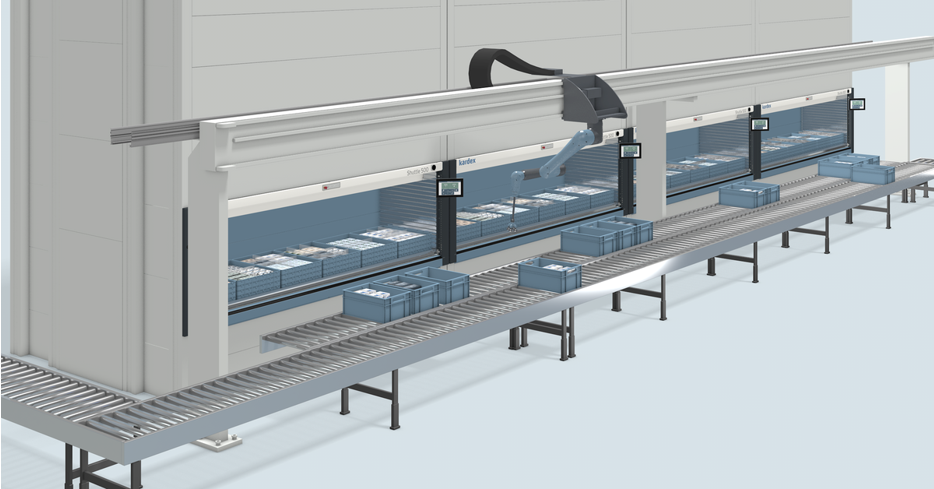 Figure 3. Automating a line with robotic picking mechanisms can remove unavoidable human error. Source: Kardex
Large-scale batches
While automated storage and retrieval systems (ASRS) cranes and shuttle systems are often used for pallet-level or high-speed tote storage in larger grid systems, VLMs fill the gap for part-level picking or point-of-use storage. A VLM can be located near production or packing zones, complementing the larger automated infrastructure with faster access to smaller components or slower-moving SKUs.
Scalable point of entry
Not every warehouse is ready to fully automate on day one. One of the largest benefits of a VLM is that it serves as a scalable standalone solution for today, while proactively solving for future-automation needs. Some VLMs fit seamlessly into a larger inventory control strategy by integrating into a warehouse management system (WMS) or ERP platform. These integrations can all happen gradually so that there is no need to entirely shut down operations and overhaul an entire existing process at once.
Why choose Kardex Remstar?
When considering a VLM, it is crucial to choose a vendor who will act as a trusted automation partner. Kardex is a global leader in the warehouse automation sector. With over 140,000 automated systems installed worldwide, Kardex has the experience and scale to deliver performance at every level – from small parts rooms to large-scale distribution centers.
From free, no obligation site visits to expert installation or hands-on service and support, Kardex is fully invested in their partners’ success at every stage – not just point of sale. These comprehensive automated storage systems integrate seamlessly with the systems and tools already in place, making Kardex systems designed for long-term value. Contact Kardex Remstar today to see if a VLM is right for your facility.