Coating the future with UV acrylic adhesive tapes
September 01, 2025Modern engineering across automotive, electronics, construction and other sectors is increasingly reliant on advanced adhesive tape solutions. Ultraviolet (UV) acrylic adhesive tapes — produced via a UV hot melt coating process — have emerged as a cutting-edge bonding technology that delivers superior performance and manufacturing efficiency. These tapes combine the strength of acrylic adhesives with the speed of UV curing, enabling engineers to achieve faster production cycles, high-strength bonds and sustainable outcomes. This article explores the technical benefits of UV-cured acrylic tapes, the production advantages of UV hot melt coating, key performance attributes, diverse industry use cases and a spotlight on Adhesive Applications’ new 63-inch UV hot melt coater and its capabilities.
Technical benefits of UV-cured acrylic adhesive tapes
UV-cured acrylic adhesive tapes offer exceptional bonding performance and durability. Once cured under UV light, the acrylic polymer forms a tightly crosslinked structure, resulting in high bond strength and long-term reliability. These tapes adhere strongly to a wide range of substrates — from metals and plastics to composites and foams — enabling the joining of dissimilar materials without mechanical fasteners.
The crosslinked acrylic chemistry also gives the tapes excellent resistance to harsh conditions. They maintain adhesion and cohesion even in hot, moist environments and under thermal stress. In fact, UV-cured acrylic tapes can handle high operating temperatures (as found in automotive under-hood or electronics applications) and resist chemicals like fuels, oils and solvents without degrading. This makes them well-suited for demanding applications that traditional tapes or liquid adhesives might not withstand.
Another key attribute is rapid curing and consistency. Unlike solvent-based adhesives that may require long drying or curing times, UV acrylic tapes cure almost instantly when exposed to the proper UV light source. This rapid cure not only speeds up assembly processes but also ensures the adhesive properties are developed in a controlled, uniform manner. Every section of the tape exposed to UV is cured to the same degree, resulting in consistent bond quality across the product. The UV cure process also eliminates the variability associated with solvent evaporation — there are no residual solvents or moisture trapped in the adhesive matrix to cause later performance issues. The outcome is a tape with highly consistent quality and reliability, batch after batch.
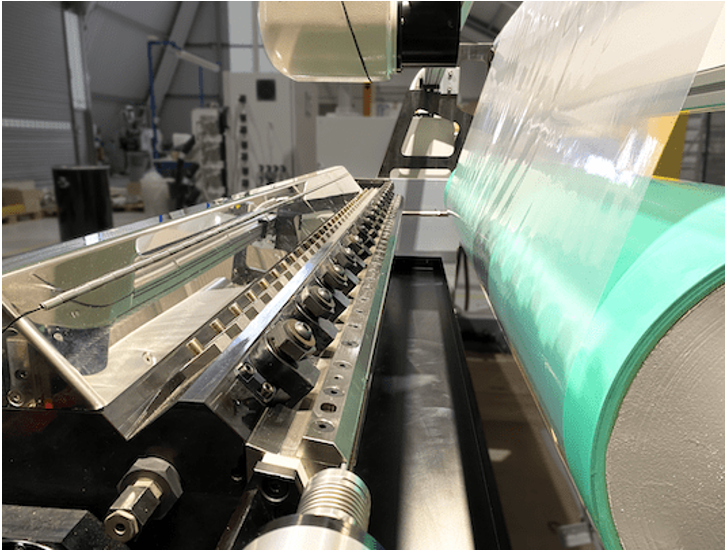 Figure 1: Ultraviolet (UV) acrylic adhesive tapes – produced via a UV hot melt coating process – have emerged as a cutting-edge bonding technology. Source: Adhesive Applications
UV acrylic tapes are additionally characterized by their environmental advantages and material purity. Because they are 100% solids formulations, no water or solvent carriers are used in coating them onto backing materials. This means manufacturers can avoid lengthy drying ovens or solvent evaporation steps, cutting down energy consumption and emissions. The cured tapes contain virtually no volatile organic compounds (VOCs) — they are solvent-free and non-outgassing.
This leads to benefits such as no “fogging” in enclosed spaces. (For example, inferior adhesives can release vapors that condense as fog on electronic displays or automotive instrument panels; UV-cured tapes prevent this.) The lack of VOCs and outgassing also means no unpleasant odors — the familiar “new car smell” from interior adhesives is mitigated when using low-VOC UV acrylic tapes. These tapes align with sustainability goals by reducing hazardous emissions and even offer the potential for easier recyclability in certain applications.
In summary, from a technical standpoint, UV acrylic adhesive tapes deliver high-performance bonds with outstanding strength, environmental durability and uniform quality. They exemplify how innovative adhesive chemistry can meet rigorous engineering requirements while also supporting greener, safer manufacturing practices.
UV hot melt coating for efficiency and consistency
The manufacturing process behind these tapes — UV hot melt coating — is as innovative as the tapes themselves. In a UV hot melt coating line, the adhesive (in 100% solid form) is applied to the tape substrate in a molten state and then immediately cured by intense UV lamps. This process confers significant production efficiency advantages.
First, curing by UV light is nearly instantaneous, which dramatically accelerates production speed compared to conventional adhesive coating that might require drying tunnels or long cure times. As soon as the coated tape passes under the UV lamps, it solidifies to a finished adhesive product, ready for cutting or rolling. Manufacturers can run coating lines at higher speeds and output more tape in less time, boosting throughput to meet high-volume demands.
Secondly, UV hot melt coating ensures consistent coating quality and performance. Advanced coaters use precision metering (such as slot-die applicators) and closed-loop controls to maintain uniform adhesive thickness across the full web width. Inline sensors monitor the coat weight in real time and adjust pumps on the fly to correct any deviations. This means each tape roll has the specified adhesive thickness and performance characteristics, which is critical for engineers who require reliability. The UV curing itself further locks in consistency — since the cure is triggered by light, it can be controlled very precisely in terms of dose and timing, yielding a uniformly polymerized adhesive layer. The result is a tape with highly repeatable bond performance, which is crucial for quality assurance in automotive or electronic assembly lines.
Another efficiency gain is the elimination of solvents and drying steps in UV hot melt coating. Traditional solvent-based coating not only slows production due to evaporation time, but also necessitates large ovens, ventilation systems and solvent recovery or incineration equipment. UV hot melt lines avoid all of that: no ovens are needed (saving floor space and energy), and no solvent handling or emissions control is required. This makes the process more cost-effective and environmentally friendly. Adhesive Applications notes that moving to solventless hot melt coating cuts out costs related to shipping and incinerating solvents, aligning production with both economic and environmental priorities. In short, UV hot melt coating technology enhances manufacturing by combining speed, precision and sustainability — delivering tapes quickly and consistently.
Key advantages of UV acrylic tape technology
For engineers and manufacturers, UV acrylic adhesive tapes and their coating process offer several key advantages:
● Faster production speed: UV curing virtually eliminates drying time, allowing tape production lines to run at higher speeds. This accelerated curing process shortens production cycles, enabling more efficient manufacturing and faster time-to-market for products. Tapes are fully cured within seconds of coating, in contrast to traditional adhesives that might need minutes or hours to set.
● High-performance bonding: UV-cured acrylic tapes provide structurally strong bonds and long-term durability even under demanding conditions. They exhibit high shear and peel strength on a variety of materials, and their crosslinked acrylic polymer resists heat, moisture and chemicals.
This makes them suitable for high-temperature automotive zones, electronics that heat up during operation and outdoor building components. The robust bonding performance can replace mechanical fasteners or welding in many cases, contributing to lighter and more reliable assemblies.
● Customization and versatility: The UV hot melt coating method offers remarkable flexibility to tailor products to application needs. Adhesive formulations can be adjusted (e.g., acrylic for one job, rubber-based for another) and applied using the same line, thanks to dual adhesive dispensing systems on modern coaters. Manufacturers can also do zone coating, selectively applying adhesive in stripes or patterns on the tape, leaving certain areas adhesive-free as required.
Additionally, the process accommodates various backing materials (films, foams, fabrics ), so tapes can be customized in construction. This versatility lets engineers specify tapes for very specific design challenges — whether it’s a foam-backed gasket tape, a scrim-reinforced transfer adhesive or any number of custom tape constructions.
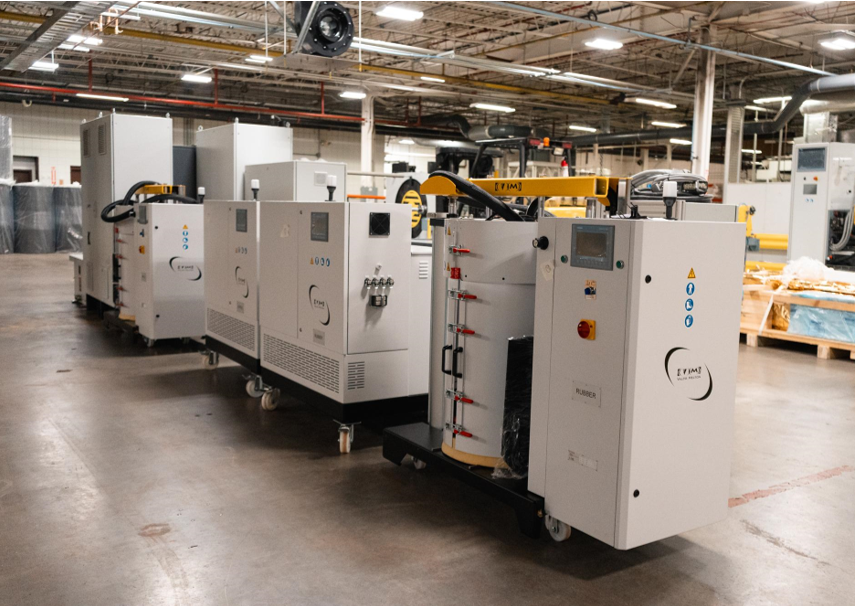 Figure 2: UV acrylic adhesive tapes deliver high-performance bonds with outstanding strength, environmental durability and uniform quality. Source: Adhesive Applications
● Wide width capacity: State-of-the-art UV coaters feature broad web widths (up to 63 inches/1,600 mm), allowing manufacturers to coat large rolls or multiple product lanes side by side in one run. This high-width capacity means higher output per batch and the ability to produce tapes in large format for big components (such as wide construction panels or large-area graphics). It also enables efficient slitting of many narrower rolls from one master roll, fulfilling diverse size requirements with less waste. Adhesive Applications’ newest coater, for example, can handle materials 63 inches wide, substantially increasing production capacity to meet customer demand.
● Environmental and sustainability gains: UV acrylic tape technology is inherently more sustainable than many conventional adhesive processes. No solvents equals no VOC emissions, which helps manufacturers easily comply with environmental regulations and improves worker safety. Energy usage is lower since energy-intensive drying ovens are not needed, and UV lamps are only used as needed for curing.
The tapes themselves are non-outgassing and low-odor, improving product environmental quality — for instance, preventing fogging in optical devices and eliminating unwanted smells in consumer products. By removing solvents from the equation, UV hot melt coating also eliminates hazardous waste and reduces the carbon footprint associated with solvent production and disposal. Overall, this technology aligns with sustainability initiatives without compromising on performance.
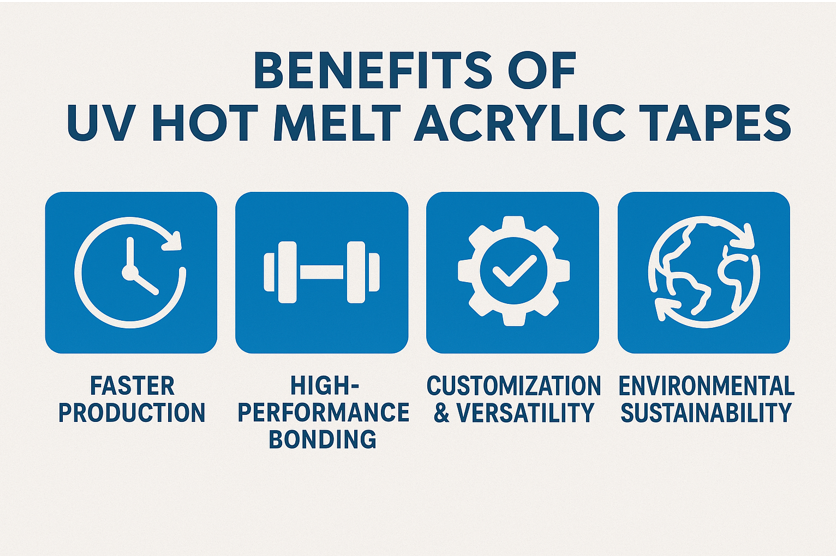 Figure 3: Benefits of UV hot melt acrylic tapes. Source: Adhesive Applications
Applications across industries
One of the greatest strengths of UV acrylic adhesive tapes is their cross-industry applicability. Engineers in multiple sectors are leveraging these tapes to solve bonding challenges, improve products and streamline assembly.
Automotive industry
In automotive manufacturing, UV-cured acrylic tapes are helping reimagine how vehicles are built. They are used for structural bonding of components such as body panels, replacing certain welds or mechanical fasteners with high-strength tape joints. This contributes to weight reduction — a critical factor for improving fuel efficiency and EV range — while maintaining structural integrity. UV acrylic tapes also play a role in glass bonding, securing windshields and windows to frames with durable, UV-resistant bonds that can withstand vibrations and weather exposure.
Inside the vehicle, these tapes enable quick and clean assembly of interior parts. For example, dashboards, trim panels and electronic modules can be mounted with double-coated UV acrylic tapes, which bond instantly with no cure wait, speeding up assembly lines. Because the tapes are solvent-free and low-fogging, they won’t cause the haze or film on interior windows and screens that some traditional adhesives do. They also avoid introducing odors into the cabin, enhancing interior air quality.
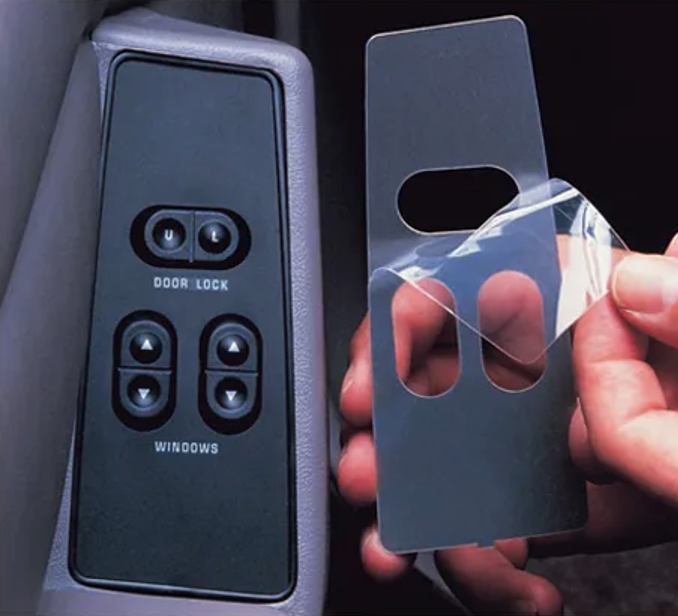 Figure 4: UV acrylic tapes remain reliable across the car’s life. Source: Adhesive Applications
Furthermore, UV acrylic tapes remain reliable across the car’s life: their ability to resist temperature extremes and automotive fluids means they hold up under the hood and in other harsh environments. Automakers are using these tapes for mounting emblems and moldings, affixing weatherstripping, damping noise/vibration (NVH components) and even assembly of battery packs in electric vehicles — anywhere a fast, strong and clean bond is advantageous. By adopting UV-cured tape technology, the automotive industry is achieving improved production efficiency, reduced assembly costs and enhanced vehicle performance (through lighter weight and robust bonding).
Electronics industry
Electronics manufacturers highly value UV acrylic adhesive tapes for their purity and precision. Electronic devices and components are sensitive to outgassing and contaminants — even tiny amounts of residue from an adhesive can fog up a display or corrode a circuit. UV-cured tapes address this with their clean, residue-free nature: they contain no residual solvents or plasticizers to release over time. This makes them ideal for assembling delicate electronics. For instance, engineers use UV acrylic tapes to bond printed circuit boards (PCBs), flexible circuits and membrane switches without fear of condensation or conductive material degradation. The tapes provide strong adhesion to substrates like polyimide films or metal foils in these components and do so without introducing chemical instability.
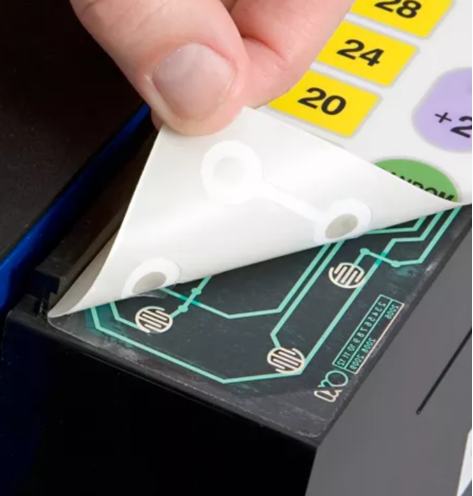 Figure 5: The tapes provide strong adhesion to substrates like polyimide films or metal foils in these components and do so without introducing chemical instability. Source: Adhesive Applications
Specific electronics applications include using UV acrylic tapes as spacer and insulator tapes in hard drives and mobile devices, gasketing for sealing enclosures and mounting of screens or touch panels. Because the tapes cure immediately, components can be fixed in place rapidly and move to the next production step, supporting high-volume electronics assembly. Their low chemical reactivity is another benefit — they won’t interact with sensitive semiconductor materials or sensors. Additionally, UV acrylic tapes can endure the heat generated by electronic components and even certain soldering or reflow processes, especially since they are crosslinked like high-performance solvent-based adhesives. In summary, from smartphones and wearables to medical electronics and sensors, UV acrylic tapes provide reliable, clean bonds that help ensure device longevity and performance.
Building and construction
The building and construction industry increasingly employs high-performance adhesive tapes for both structural and finishing applications, and UV-curable acrylic tapes are at the forefront of this trend. One prominent use is in architectural panel bonding and structural glazing — essentially using tapes to attach glass or cladding panels to frames or substructures.
The tapes offer uniform load distribution and vibration damping, and their ability to withstand weather, UV exposure and temperature changes makes them a robust alternative to mechanical fasteners or wet sealants. For example, window glazing tapes based on UV acrylic adhesives securely hold glass panes in window frames, providing an immediate bond and seal that is resistant to sunlight and weather over decades of service. Such tapes simplify installation (peel-and-stick application with no curing wait) and maintain strong adhesion in both high heat and freezing conditions, unlike some conventional sealants.
UV acrylic foam tapes are also used for sealing and insulating in HVAC and construction joints. Their flexibility and strong tack help create air-tight seals around ducts, pipes and panels.
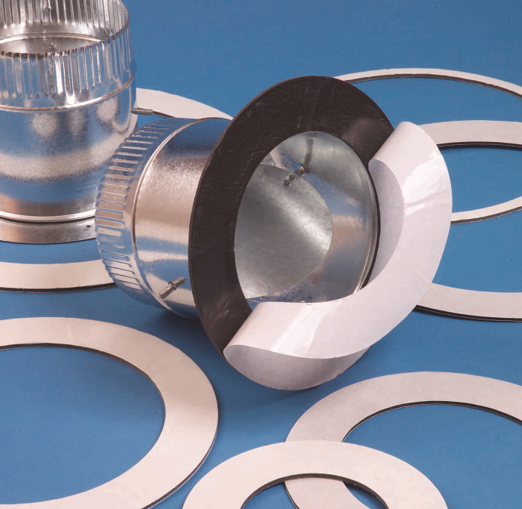 Figure 6: UV acrylic foam tapes are also used for sealing and insulating in HVAC and construction joints. Source: Adhesive Applications
Because these tapes are solvent-free, they don’t introduce VOCs into buildings, supporting healthier indoor air quality — an important consideration in modern green building design. Additionally, contractors use UV-cured tapes for mounting interior fixtures, signage and decor without drilling. They provide high cohesive strength for load-bearing applications like attaching mirrors, access panels or heavy trim pieces. With their excellent outdoor durability (acrylic adhesives are naturally UV-resistant and do not yellow or degrade easily in sunlight), UV acrylic tapes are well-suited for exterior construction uses as well, from roofing membranes to facade elements. Overall, in construction, these tapes deliver speed (instant adhesion reduces clamping or curing time), clean application (no mess or mixing) and longevity — qualities that appeal to builders and architects aiming to improve efficiency and building performance.
Other sectors and applications
Beyond the major industries above, UV acrylic adhesive tapes are making an impact in numerous other sectors. In the medical field, for instance, the purity and biocompatibility of UV-cured tapes are invaluable. They are used in medical diagnostic devices (like lab-on-chip assemblies, test strips and PCR devices) where any outgassing or leachable substances from an adhesive could interfere with sensitive biological tests. UV acrylic tapes are favored for these applications because they are chemically inert in such settings and cure without leaving extractables, ensuring test accuracy. They are also employed in the assembly of medical wearables and wound-care dressings — their solvent-free formulation minimizes skin irritation, and they can be made breathable for patient comfort.
In household appliances and HVAC systems, UV acrylic tapes help with assembly of components that face heat and vibration. For example, they can secure insulation layers inside appliances like ovens or water heaters, or mount components in air conditioners, all while withstanding temperature swings and avoiding any odor transfer to food or living spaces. The aerospace and marine industries also benefit from these tapes for bonding lightweight composite parts and for sealing applications, taking advantage of their high-performance bonding and resistance to environmental extremes. Even niche areas such as signage and general industrial manufacturing use UV acrylic tapes for their reliability and ease of use in bonding tasks.
Innovation spotlight: Adhesive Applications’ 63-inch UV hot melt coater
To meet the growing demand for UV acrylic tape technology, manufacturers are investing in advanced production equipment. Adhesive Applications — a leading tape manufacturer — recently unveiled a new 63-inch-wide UV hot melt coater that expands its capacity and capabilities for custom adhesive tapes. This state-of-the-art machine represents a major step forward in production technology. It is a heated slot-die coater with 100% solids capability, designed to coat both acrylic and rubber-based hot melt adhesives with precision. The 63-inch maximum web width means the company can run very large rolls or multiple tape widths simultaneously, significantly increasing output and allowing wide-format tape products. Such a width capacity is especially beneficial for applications like foam tapes used in construction and automotive, where large pieces or high volumes are needed.
The new coater’s UV curing capability enables in-line crosslinking of acrylic adhesives, combining hot melt application with an immediate UV cure on the same machine. This allows Adhesive Applications to produce thick adhesive coatings or work with temperature-sensitive substrates that a traditional thermal oven might damage. For example, polyethyelene (PE) foam — often used as a tape carrier — can be coated on this line thanks to features like dry-end corona treatment to improve adhesive anchoring on the foam surface. The line is built for flexibility: it includes dual adhesive dispensers to switch between acrylic and rubber formulations without cross-contamination, and it can even zone coat using custom shims to leave predefined lanes uncoated (useful for creating multi-zone tapes).
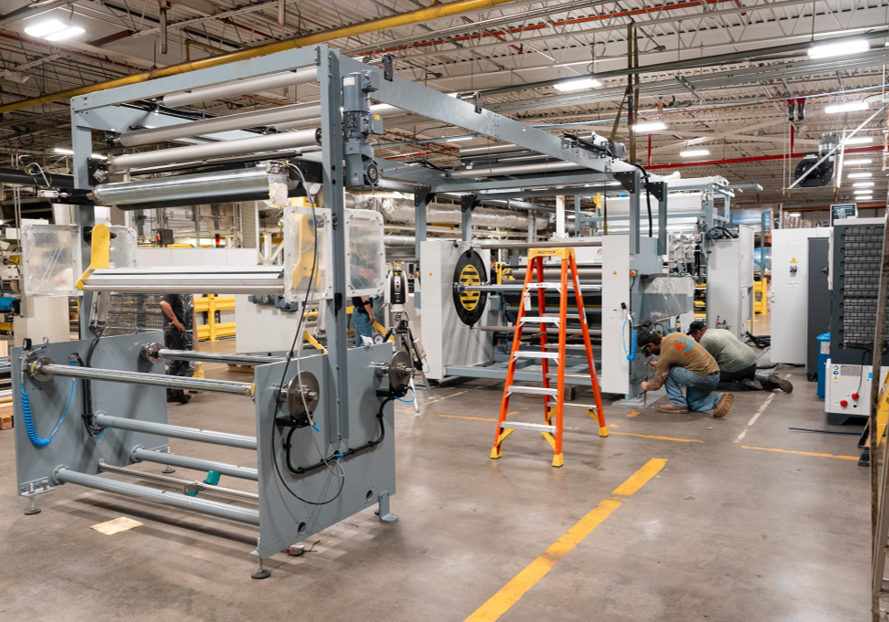 Figure 7: the machine is equipped with a large 45-inch diameter turret winder, which allows rapid roll changes and minimizes downtime between production runs. Source: Adhesive Applications
Quality and efficiency are at the forefront of this coater’s design. It employs a closed-loop thickness control system, where a gauge scans across the width and adjusts the feed pumps in real time to ensure uniform adhesive distribution. This guarantees consistent tape thickness and performance across the entire 63-inch web, enhancing the final product’s quality. Additionally, the machine is equipped with a large 45-inch diameter turret winder, which allows rapid roll changes and minimizes downtime between production runs. The ability to wind large rolls means longer continuous runs and fewer interruptions, boosting overall productivity.
Adhesive Applications’ investment in this advanced coater was driven not only by capacity needs but also by a commitment to efficiency and sustainability. The hot melt UV process of Coater #4 uses no solvents, eliminating the environmental hazards and costs associated with solvent-based coating. By forgoing organic solvents, the company avoids the need for handling flammable chemicals and the energy-intensive incineration of solvent exhaust — a win for both safety and operating costs. This new line positions Adhesive Applications to deliver higher output and consistent quality, while meeting the increasing customer demand for eco-friendly, high-performance tapes.
Importantly, the 63-inch coater expands the range of products Adhesive Applications can offer, thereby better serving diverse customer needs. With this machine, their portfolio now covers everything from scrim-reinforced transfer tapes to foam tapes, in both acrylic and rubber adhesive systems. The company can offer many different product constructions using the new coater and invites customers to collaborate on developing custom solutions. For engineers, this means greater access to tailored adhesive tape products that exactly meet the specifications of their project — whether it’s a unique width, an unusual substrate or a special adhesive formulation for a particular environment. The combination of broader capabilities and deep technical expertise allows suppliers like Adhesive Applications to not just sell a tape, but deliver a bonding solution engineered for the application.
In conclusion, UV acrylic adhesive tapes and the UV hot melt coating process represent a significant advancement in bonding technology for multiple industries. They offer a blend of technical performance (strength, durability, purity) and manufacturing advantages (speed, consistency, sustainability) that aligns with the needs of modern engineering projects. From cars that are lighter and greener, to electronics that are more reliable, to buildings assembled faster and built to last — UV-cured acrylic tapes are enabling improvements across the board. And with manufacturing innovations like the 63-inch UV hot melt coater increasing supply capabilities, these advanced tapes are more accessible than ever. For engineers seeking efficient and high-performance bonding solutions, coated UV acrylic tapes are proving to be an invaluable tool — bonding the future of products across industries.