Pigs Power Waste Energy Drive
Engineering360 News Desk | March 30, 2016In a deal that will help fuel the waste-to-energy movement, Duke Energy says it will use pig and poultry waste from a new facility to generate renewable electricity at four of its North Carolina power stations.
The Charlotte-based utility has signed a 15-year partnership with Carbon Cycle Energy LLC of Boulder, Colo., to convert livestock waste into refined methane gas. Carbon Cycle Energy, or C2e, will build and own the facility, expected to be located in eastern North Carolina, where hog farming is a major industry.
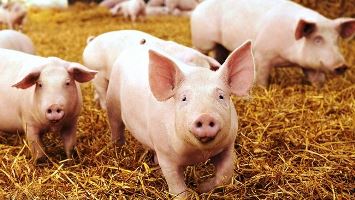 Waste generated from hog farms will be converted to renewable energy for power stations. Image source: Duke Energy.The plant is expected to produce more than 1 million MMBtus a year of pipeline-quality captured methane, with Duke Energy yielding about 125,000 megawatt-hours of renewable energy annually.
C2e is an energy development firm that works with companies and public entities to finance, design, build and operate plants that convert waste into methane biogas. But, as the company says, not all biogas is created equal.
While methane is the common denominator, other variables in biogas relate to the feedstock, such as hog waste, and how it’s processed. Once the waste conversion takes place, a variety of impurities can be present in the methane gas, such as carbon dioxide, carbon monoxide, nitrogen and hydrocarbons. C2e applies its technology to identify, quantify and remove these impurities so that the raw biogas is upgraded to an optimum quality fuel.
For Duke Energy, once the biogas is treated, it will be injected into a pipeline system and transported to the four power stations.
Under North Carolina's Renewable Energy Portfolio Standard, or REPS, Duke Energy companies are required to meet specific compliance targets for swine and poultry waste.