Meet this digital solution that removes the guesswork of machine cabling
July 14, 2023Cabling may seem to be a simple part of machine design, but it is surprising that something so simple can be so difficult to accurately model in design software. The cabling used in modern machinery is precisely sized and routed within a mechanical system, but oftentimes this is still performed manually against a physical model. This applies to small systems like servo drives or sensors and actuators, as well as large industrial machinery with cable bundles routed throughout housings and enclosures.
Cabling and wire harness design is one of the major cost drivers in machine design, and it is one of the critical portions of a system that is prone to error through manual estimation. To help machine designers get more accurate cable estimates and eliminate manual processes, digital design tools must be used to simulate the cabling run.
Cost drivers in machine design
Machine design involves combining complex electronic and mechanical systems that must work in harmony. This is true not just for the physical layout and aesthetic, but also for the basic functions and electrical interconnections in the system. The major electrical cost drivers are summarized in the following table:
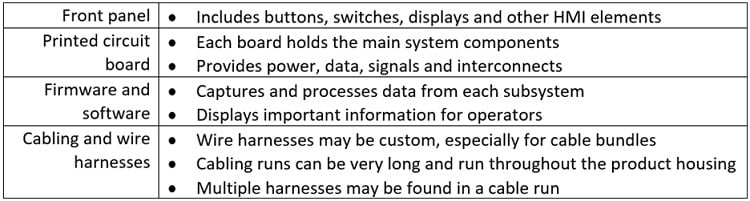 Table 1. Overview of electrical costs in machine design. Date source: EPLAN
Each of these elements determines the system’s core functionality, human-machine interface, and power and signal interconnections throughout the system. Design for each of these elements requires close collaboration between electrical and mechanical design teams. The goal is to determine form and fit within the housing and enclosures, engineer a production and assembly process for the product, and optimize the design for space and cost.
Cable estimation is low-hanging fruit
Across all these areas, cable and harness design alongside interconnect length estimation is one of the most error-prone processes. Many digital design platforms are not capable of estimating cable runs in an integrated electrical and mechanical design platform.
If there is any opportunity to eliminate excess costs and reduce design time for new machinery, it is found in cable estimation. Cable estimation is currently done by hand, and it requires a physical model to get a reasonable estimate of the length of a cable. This is often done by pulling string though the product enclosure to estimate the total length of cable required to complete a run.
Some cable runs can be quite long and complex, with cabling breaking out to multiple subsystems and components in a machine design. An example view for a grinding machine visualized in solid modeling software is shown below (Figure 1). Along each roller conveyor in the image, a single cable bundle could break off an interconnect to different components, and each interconnect may require a custom harness.
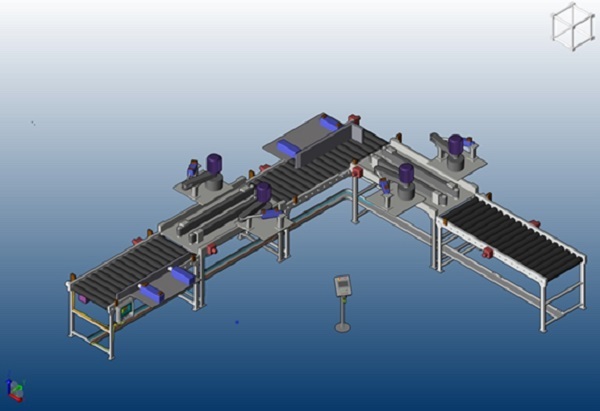 Figure 1. Some machining systems are highly complex and require precise cabling the first time around. Source: EPLAN
If cable estimation along these kinds of complex runs is incorrect, there could be excessive bends, excess cable bundling, incorrect passthrough or insufficient cable length. It is often the case that cables for machines must be built specifically for a custom harness, so the design team cannot add to a cable or cut it to length in order to fit it into the machine enclosure.
The modern way to estimate cabling
Just about every other area of electronics design and development has entered the modern era, and now cabling and harness estimation are doing the same. EPLAN is changing the traditional way of cabling estimation in large machinery by giving designers a digitalized view of their system. This is done by creating a digital twin of the cable assembly and harness, which can then be manipulated in an integrated electrical and mechanical environment with solid modeling (Figure 2).
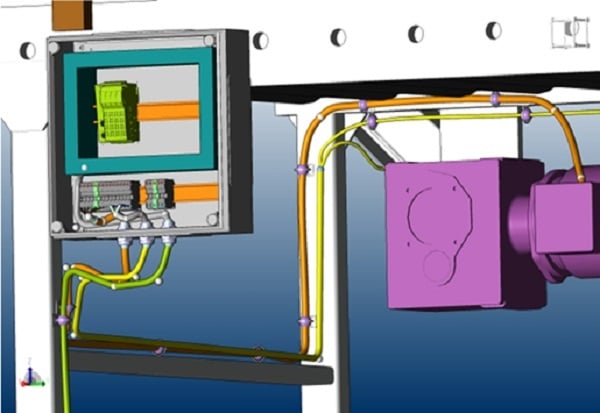 Figure 2. Digitizing cable design significantly lowers risk of replacements, downtime and unplanned costs. Source: EPLAN
With estimation of cabling now made possible with a digital twin of a system’s mechanical design, cabling estimation can proceed alongside machine design rather than waiting until prototyping. The two processes can run in parallel and inform each other on important aspects of the panel and enclosure. This helps prevent mis-estimation with strings, verifies cable pass-throughs and bending limits, and reduces the time required to complete the mechanical design for large machinery.
Once cabling lengths are determined and verified in a digital prototype, the cabling can be added into the BOM. Changes to the cable design, harness design, and supporting components can be made very quickly in electrical and mechanical modeling software without requiring a physical counterpart in the workshop. EPLAN’s software solutions provide this capability and much more in an integrated CAD environment.
Contact EPLAN today to learn more about their engineering design solutions.