Supply chain problems for automakers beyond microchips
Jody Dascalu | June 25, 2023In the evolving landscape of automotive manufacturing, automakers and suppliers alike face significant challenges that extend beyond the well-publicized microchip shortage. These complexities encompass a transformation in consumer behavior, a swift transition to electric vehicles (EVs) and consistent material shortages, leading to production complications.
In the wake of the semiconductor shortage, many countries have been pursuing investments in national semiconductor fabrication plants. For instance, the U.K. recently announced plans to invest up to £1 billion in the semiconductor sector.
 Source: Ernest Ojeh/Unsplash
The semiconductor supply has experienced a gradual recovery from last year's supply chain issues, thanks to a decrease in the demand for personal computers and home electronics. However, despite these improvements, automakers continue to grapple with challenges. The relief in the pressure on this critical component of the supply chain is merely one aspect of the broader supply chain problem.
As we move further into 2023, the risk of a potential recession is looming over supply chains. While it is possible that a recession might ease demand for new cars and alleviate shortages, demand is currently exceeding supply in the automotive industry, and inflation is exceeding targets, creating further challenges for automakers and suppliers.
Material shortages: An unresolved issue
Material shortages now extend beyond semiconductors. Shortages of raw materials and other electronic parts are causing production delays. While supplies for components such as crash management systems and body panels remain stable, stresses related to elements such as wiring harnesses and still semiconductors continue. As the automotive industry transitions away from combustion engines, raw material shortages and battery shortages are emerging.
The rise in vehicle demand has boosted automakers' profits but a significant portion of these profits did not reach suppliers. As a result, many suppliers now grapple with macroeconomic concerns, such as inflation and the necessity to adapt to the EV transition or risk becoming obsolete.
If these supply shortages persist, automakers might be driven to invest more heavily in their supply base. Such a move could potentially divert funds away from shareholder dividends and share buybacks, contributing to inflationary pressures.
Deepening supplier relationships
To mitigate supply chain concerns, many automakers are opting for partnerships and acquisitions over traditional supply contracts. This shift necessitates adjustments in procurement strategies, including managing stable components separately from more volatile ones. However, this approach could lead to internal communication and data sharing silos, adding a layer of complexity that procurement groups must manage.
Suppliers are advised to reevaluate their value and seek future development opportunities related to the impending EV landscape. They have several options, including developing a new product set, acquiring relevant companies or producing integrated solutions. These alternatives, however, come with their own challenges and implications.
The EV transition and its supply chain impacts
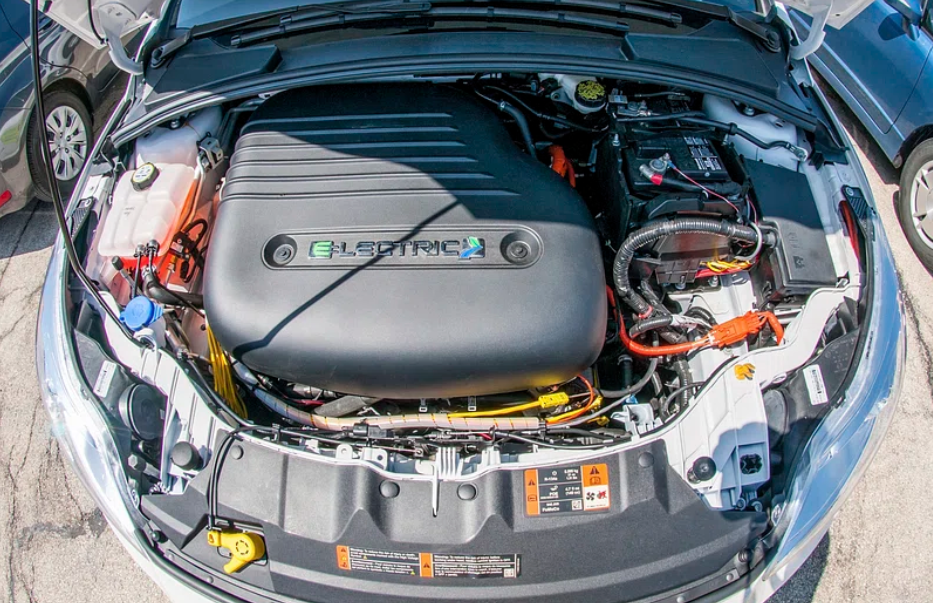
The automotive industry's extensive move toward EVs is introducing unique stresses to the supply chain. This shift necessitates a whole new network of suppliers, and as various manufacturers are simultaneously escalating EV production, the supply chain is feeling the strain. Manufacturers and suppliers are in a steep learning curve as they work toward establishing and optimizing these new relationships.
But the transition to EVs is not the sole source of supply chain complications. The interdependent relationship between parts companies and automakers adds another layer of challenges. This co-dependence can cause a ripple effect across the entire supply chain when one party faces difficulties.
Keeping innovation in the forefront
For stakeholders, focusing on innovation and staying current with automotive trends is paramount. They should also assess new discoveries and improved features from the academic sphere to see how they might fit into future automotive supply chain ecosystems.
For example, hydrogen fuel cell cars are now entering the mainstream, prompting automakers to face the growing EV sector. Hydrogen fuel cell cars may be more efficient and lighter than electric cars. Fuel cells present a unique opportunity for the automotive industry, but also add to the complexity of the automotive supply chain, particularly in relation to the sourcing of hydrogen and the construction of fuel cell vehicles.
Shifting consumer habits in car purchasing
Consumers' increased patience in awaiting their specific orders has changed the car purchasing landscape, primarily due to the persistent supply chain disruptions. The trend toward more build-to-order sales instead of choosing from readily available inventory has an effect for auto dealerships, as it potentially diminishes the need for comprehensive on-site inventory. Carrying less inventory on-site can be advantageous for many dealerships.
Navigating the changing landscape in automotive manufacturing
The automotive supply chain is in a period of significant change and disruption. To ensure its survival and success, automakers and suppliers alike must strategically navigate these challenges, whether that involves investing in new technologies like hydrogen fuel cells, developing partnerships or bolstering their supply base. The engineering expertise and adaptability of these key players will be crucial in steering the automotive industry through these challenges.
About the author
Jody Dascalu is a freelance writer in the technology and engineering niche. She studied in Canada and earned a Bachelor's of Engineering. As an avid reader, she enjoys researching upcoming technologies and is an expert on a variety of topics.